







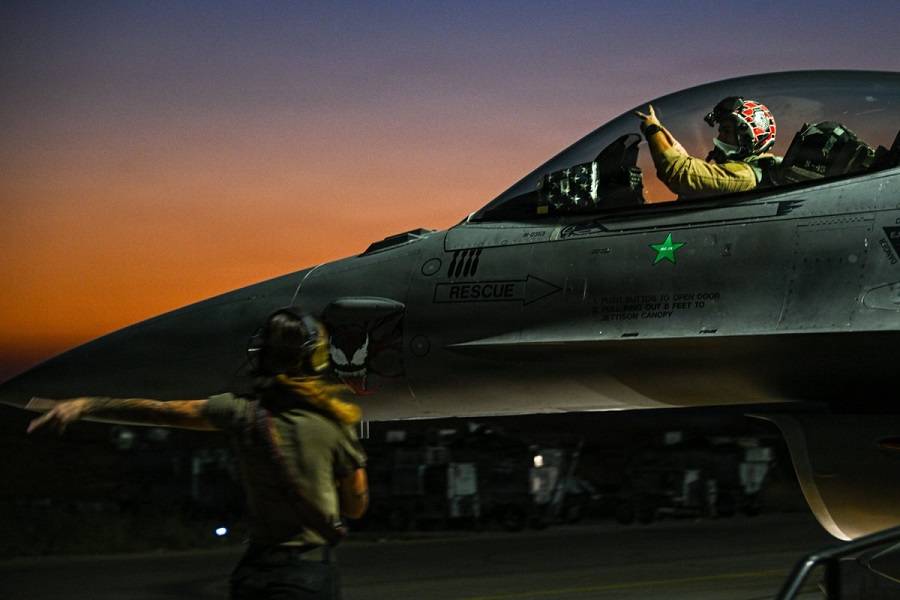
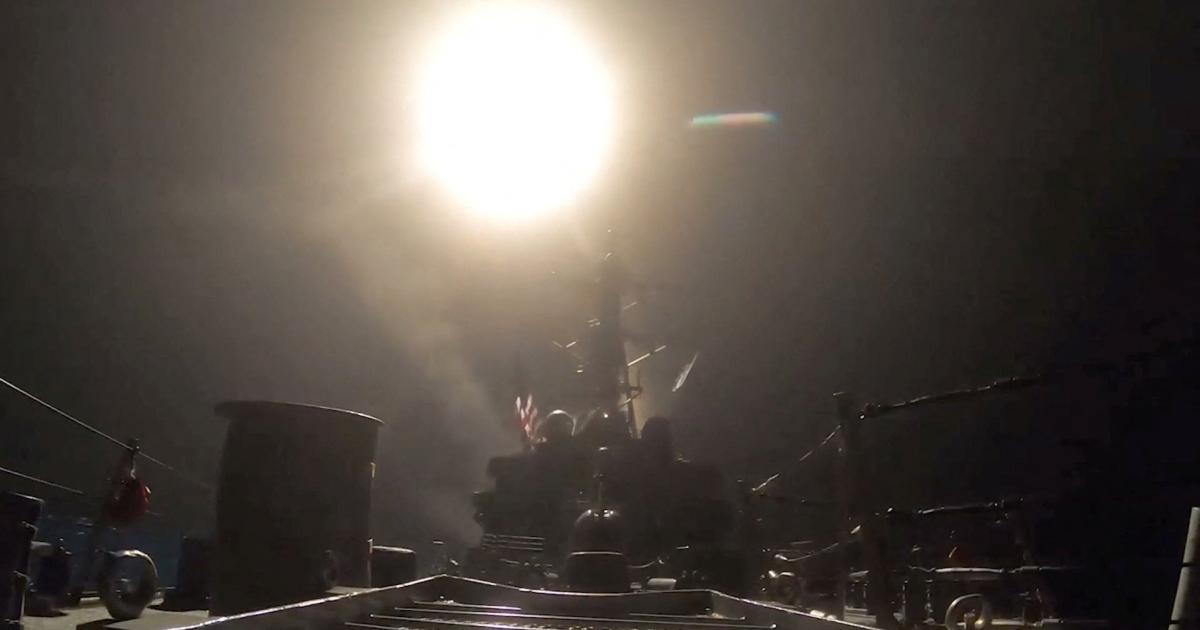
The American administration officially announced that it possesses all the necessary military means and capabilities to resume war with Iran if diplomatic efforts fail. The White House clarified that President Donald Trump will not sign any agreement with Tehran unless it meets all American conditions and red lines set by Washington, amidst unprecedented regional tensions that have shaken the global economy.
These stances came after a lengthy meeting held by Trump with his senior aides in the White House Situation Room, which lasted for two hours to discuss a draft of a potential agreement mediated by Pakistan and Qatar. A senior American official affirmed that the administration will not accept any concessions that allow Iran to possess nuclear weapons, emphasizing that the interest of the United States is the first and last criterion in any ongoing negotiations.
For his part, US Secretary of Defense Pete Hegseth stated, during his participation in the Shangri-La Dialogue in Singapore, that the US armed forces are on high alert. Hegseth indicated that his country is fully capable of returning to direct combat operations if necessary, which was reinforced by the US Central Command (CENTCOM) by confirming its presence and vigilance in the region.
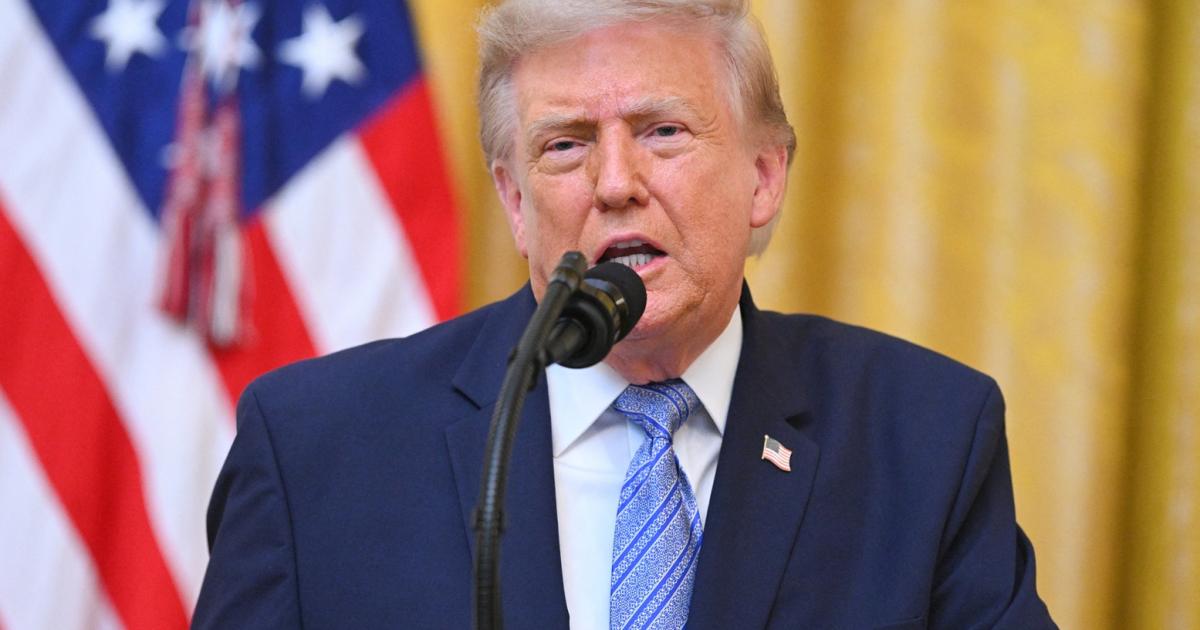
In a related context, President Trump, via his 'Truth Social' platform, outlined clear demands including an absolute Iranian commitment not to possess nuclear weapons, and the immediate opening of the Strait of Hormuz to international navigation without imposing any fees. Trump also indicated that the United States would work to extract and destroy enriched materials in coordination with the International Atomic Energy Agency, confirming the freezing of any financial exchange for the time being.
On the Iranian side, informed sources described Trump's statements as a mixture of facts and lies, noting that Tehran will not relinquish its sovereign rights. The spokesman for the Iranian Foreign Ministry, Ismail Baqaei, clarified that the exchange of messages is still ongoing through mediators, but he stressed that no final agreement has been reached yet, especially regarding the status of the Strait of Hormuz.
Tehran adheres to its legal position regarding the Strait of Hormuz, where members of the Iranian Shura Council affirmed that the management of the strait is an exclusive right of Iran and the Sultanate of Oman only. Iranian parliamentarians indicated that there are legislative moves to ratify a text that establishes full Iranian sovereignty over the strategic waterway, which could further complicate the international scene.
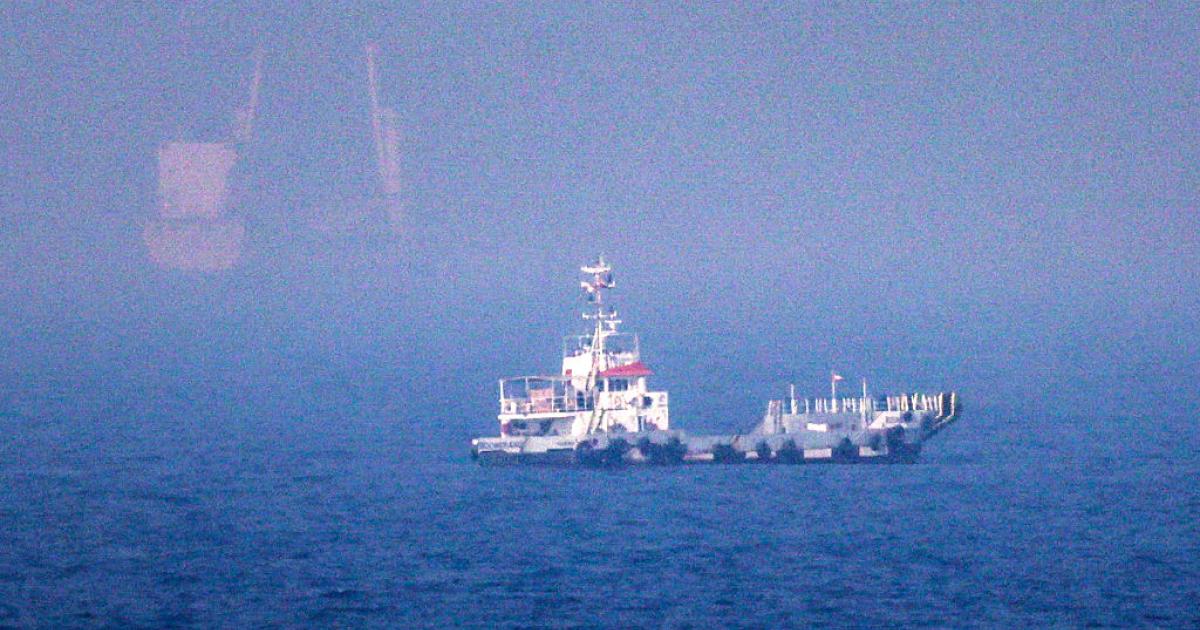
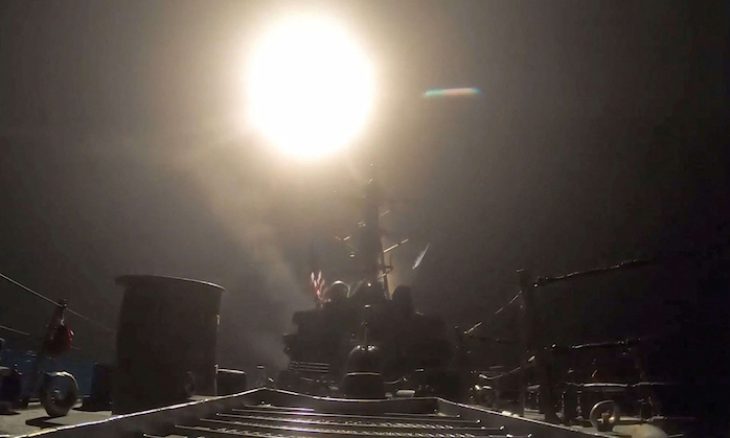
In a notable field development, the US Army announced the targeting of a cargo ship flying the flag of Gambia that was on its way to an Iranian port, where it was disabled by a missile that targeted the engine room. This incident comes at a time when Iranian sources accuse the US Navy of continuing to intercept Iranian commercial vessels and preventing them from sailing freely, despite talk of de-escalation understandings.
Tehran stipulates, for any progress in negotiations, the immediate release of $12 billion of its frozen assets held by the United States and its allies. According to official media reports in Tehran, any delay in paying these amounts will mean the suspension of negotiations, emphasizing that the issue of destroying nuclear materials or canceling transit fees in Hormuz was not included in the unofficial drafts.
Turkish Foreign Minister Hakan Fidan entered the crisis, warning that closing the Strait of Hormuz represents immense pressure that is more dangerous than the nuclear file itself. Fidan indicated that the repercussions of closing the waterway would be catastrophic for global energy security and food security, leading to sharp price increases affecting all countries of the world without exception.
Coinciding with the tension with Iran, the Lebanese front is witnessing a dangerous military escalation despite an earlier ceasefire announcement. Sources reported that Israeli forces continued their ground and air operations, issuing warnings to evacuate Lebanese towns located up to 40 kilometers north of the border, indicating an expansion of the field confrontation.
Israeli Prime Minister Benjamin Netanyahu explicitly announced that his army had crossed the Litani River, which represents a major violation of previous international understandings. This announcement coincided with military talks held at the Pentagon between American and Israeli delegations, which Washington described as constructive, despite the continued raids targeting Lebanese villages and towns.
For his part, Lebanese Prime Minister Najib Mikati accused the Israeli authorities of implementing a 'scorched earth' policy in southern Lebanon and its Bekaa Valley. Mikati affirmed that the Lebanese state is facing an unprecedented escalation that threatens infrastructure and civilian lives, calling on the international community to intervene to stop the ongoing Israeli violations of Lebanese sovereignty and international laws.
Statistics issued by the Lebanese Ministry of Health indicate that more than 3355 martyrs have fallen since the start of the widespread aggression, amidst massive destruction of property. This wave of escalation began after the assassination of the Iranian Supreme Leader, which prompted Hezbollah to respond with intensive missiles targeting objectives within the Hebrew state, plunging the region into a spiral of mutual violence.
Amidst these complexities, the scene in the Middle East remains suspended between the options of comprehensive war or reaching a major deal that resolves outstanding issues. With the continued military build-ups and mutual threats, international capitals await the outcomes of the coming days from secret and public negotiations led by regional and international parties to defuse the explosion.
The United States is fully capable of resuming operations if necessary against Iran, and we will not accept an agreement that does not serve our interests.
Share your opinion
Washington threatens to resume war against Tehran, Trump sets strict conditions for agreement