






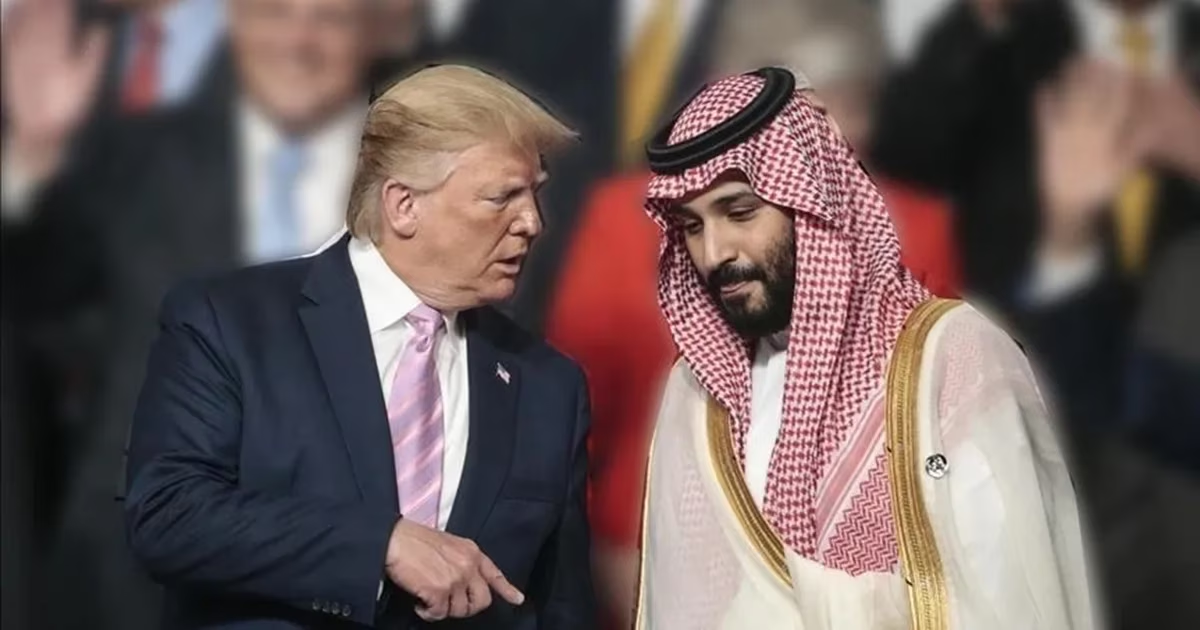
International press reports have revealed quiet diplomatic moves led by the administration of US President Donald Trump, aimed at involving Arab Gulf states in funding Iran's reconstruction. This step comes as part of efforts to reach a final agreement that ends the state of military conflict that erupted last February between Tehran on one side, and Washington and Tel Aviv on the other.
Press sources stated that the Iranian side has set clear financial conditions within the draft preliminary agreement, with Tehran demanding the return of approximately $24 billion of its frozen assets abroad. The Iranian proposal stipulates that half of this amount be transferred immediately upon the signing of the official memorandum of understanding between the concerned parties.
Given President Trump's hardline stance on direct financial transfers from the US Treasury to Tehran, his presidential team is looking for innovative funding alternatives. Attention is turning to regional countries, including Qatar, to play a mediating role in transferring these funds and ensuring their arrival within the agreed frameworks.
Leaked information indicates that current discussions between Washington and Gulf capitals revolve around the possibility of establishing a massive investment fund dedicated to reconstruction. The proposed value of this fund is estimated at approximately $300 billion, with regional countries contributing to compensate for the structural damage caused by recent military operations.
For its part, the White House affirmed that the US approach to the agreement does not mean compromising Washington's strategic interests in the region. US officials clarified that any understandings reached will be conditional on achieving clear gains for the United States and ensuring that pre-established red lines are not crossed.
The decision-making circles in Washington had witnessed a lengthy National Security Council meeting that lasted for about two hours to discuss developments in the Iranian file. Participants in the meeting stressed that President Trump is focused on drafting an agreement that ensures regional stability without incurring direct financial burdens from the US budget.
The roots of the current crisis date back to February 28th, when a widespread military confrontation began, including reciprocal strikes on several fronts. Tehran then responded by targeting sites belonging to the Israeli occupation and American interests in the region, leading to an unprecedented escalation in the pace of tension.
In an attempt at economic pressure, Iranian authorities announced last March the closure of the Strait of Hormuz to international navigation, stipulating prior coordination for the passage of ships. Tehran considered this measure a natural response to what it described as joint aggression, directly threatening global energy supplies.
On the ground, the United States has imposed a strict naval blockade on vital Iranian ports since mid-April. This blockade aims to dry up Iranian income sources and pressure the political leadership to accept the negotiation terms put forward by the US administration.
Despite the intensity of the escalation, international efforts succeeded in reaching a temporary ceasefire agreement on April 8th, opening the door for the diplomatic path. Since then, intensive negotiations have been taking place behind the scenes to solidify this calm and transform it into a sustainable agreement that includes all outstanding issues.
President Trump recently announced significant progress in drafting most of the provisions of the anticipated agreement with the Iranian side. He indicated that final arrangements are currently being completed in coordination with Washington's allies in the Middle East to ensure the comprehensiveness of the proposed solution.
The agreement currently being finalized includes a fundamental clause related to the full and unrestricted reopening of the Strait of Hormuz to international navigation. This point is a priority for the US administration to ensure the flow of oil and gas to global markets and alleviate the severity of the economic crisis resulting from the war.
The issue of financial compensation and reconstruction remains the most prominent obstacle to final signing, as Tehran insists on obtaining major financial guarantees. American diplomacy is now seeking to balance these demands with internal rejection in Washington of funding adversaries, by shifting the financial burden to regional investment funds.
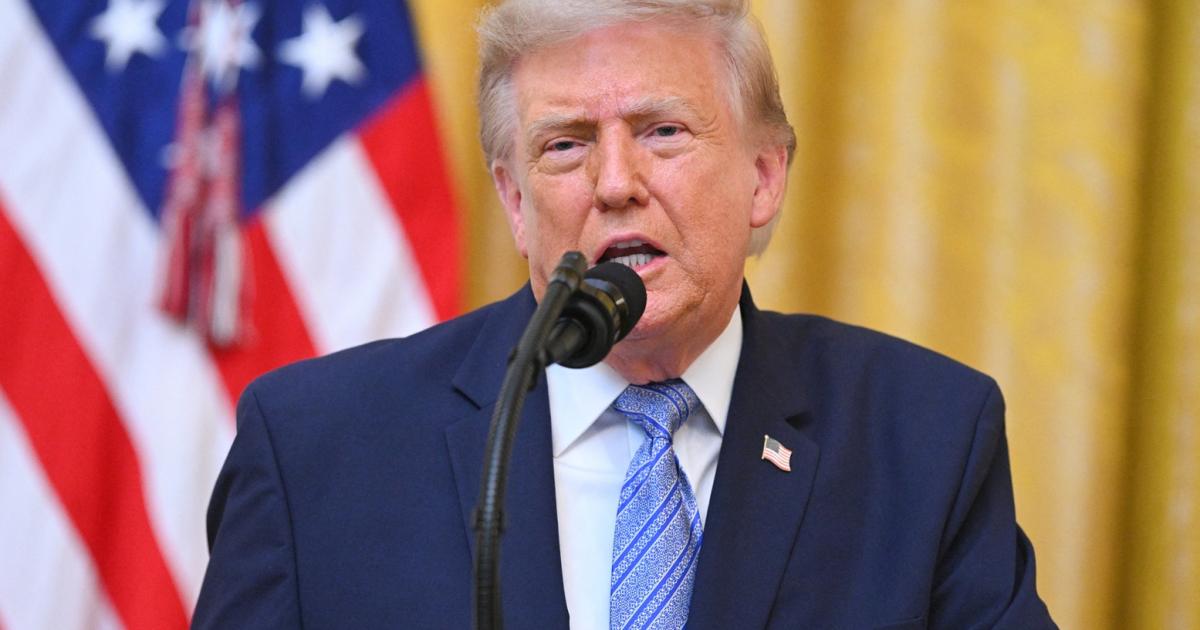
President Trump will conclude an agreement that is only good for the United States and respects its red lines.


Share your opinion
US moves to involve Gulf states in funding Iran's reconstruction