







US foreign policy under President Donald Trump witnessed a remarkable shift towards military escalation, with international reports indicating an expanding list of countries threatened with the use of force, now including at least 15 nations. The Sultanate of Oman became the latest addition to this list, sparking a wave of questions about the nature of regional alliances in the Arabian Gulf.
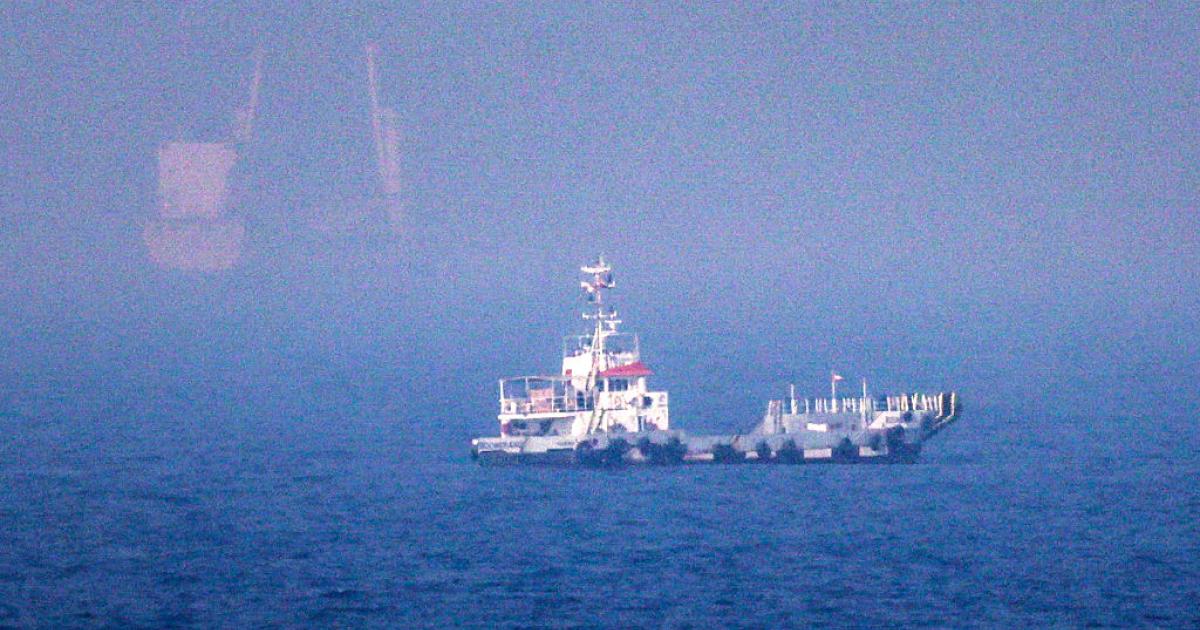
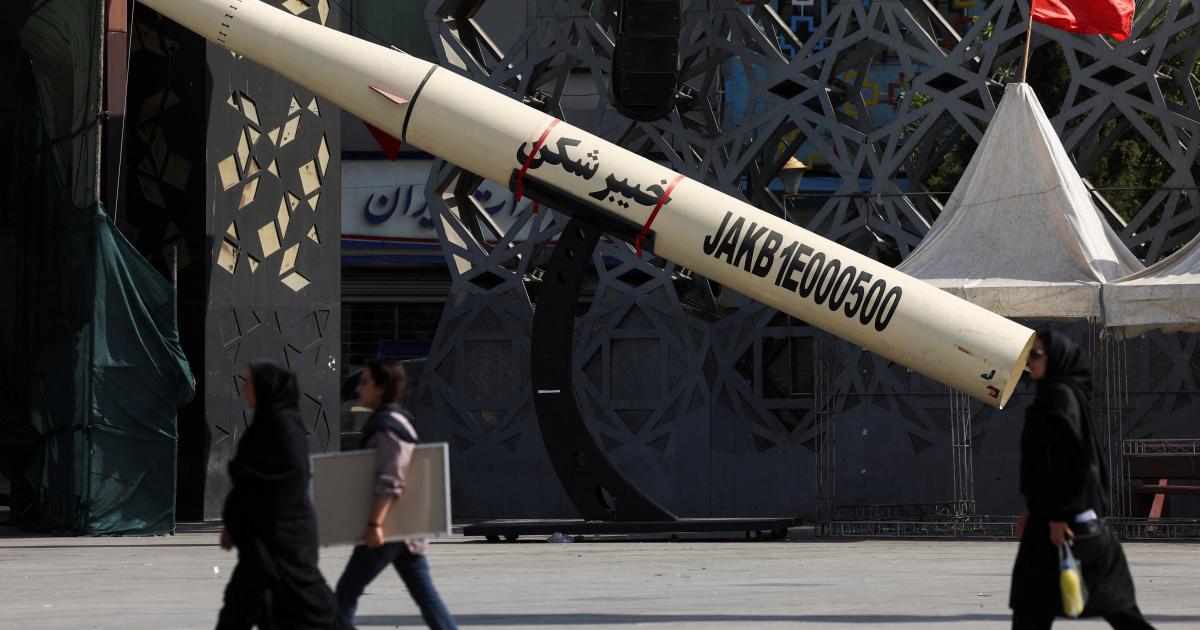
Media sources reported that Trump directly hinted at targeting the Sultanate during an official meeting at the White House, justifying it with Washington's concerns about potential Omani-Iranian coordination to control the Strait of Hormuz. Observers considered this surprising statement to reflect a recurring pattern in the Trump administration, relying on issuing threats without clear diplomatic preambles.
Analytical data indicates that most of these threats and military operations were recorded during the first months of Trump's second presidential term. This trend reflects the US administration's desire to impose a new political reality by brandishing the military option as a primary pressure tool in its foreign affairs.
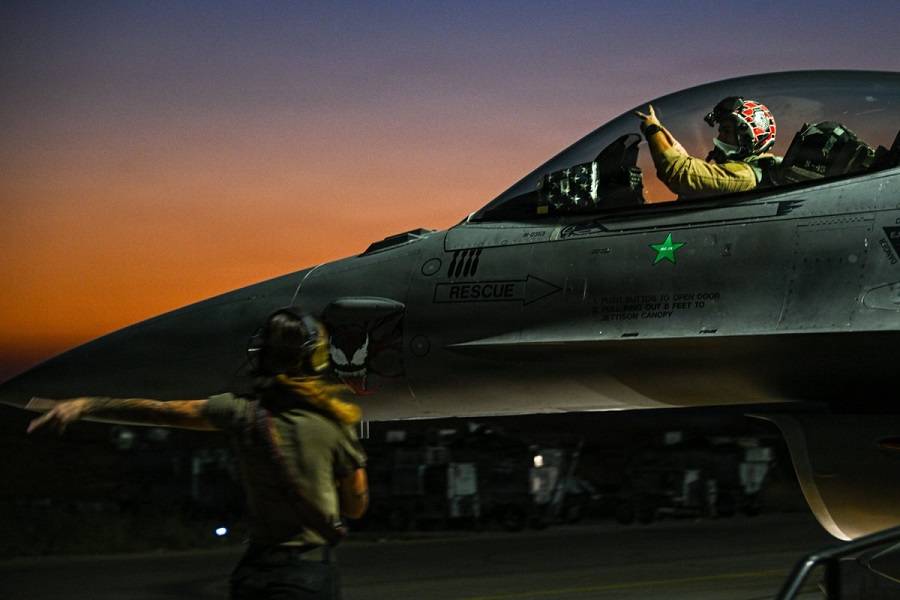
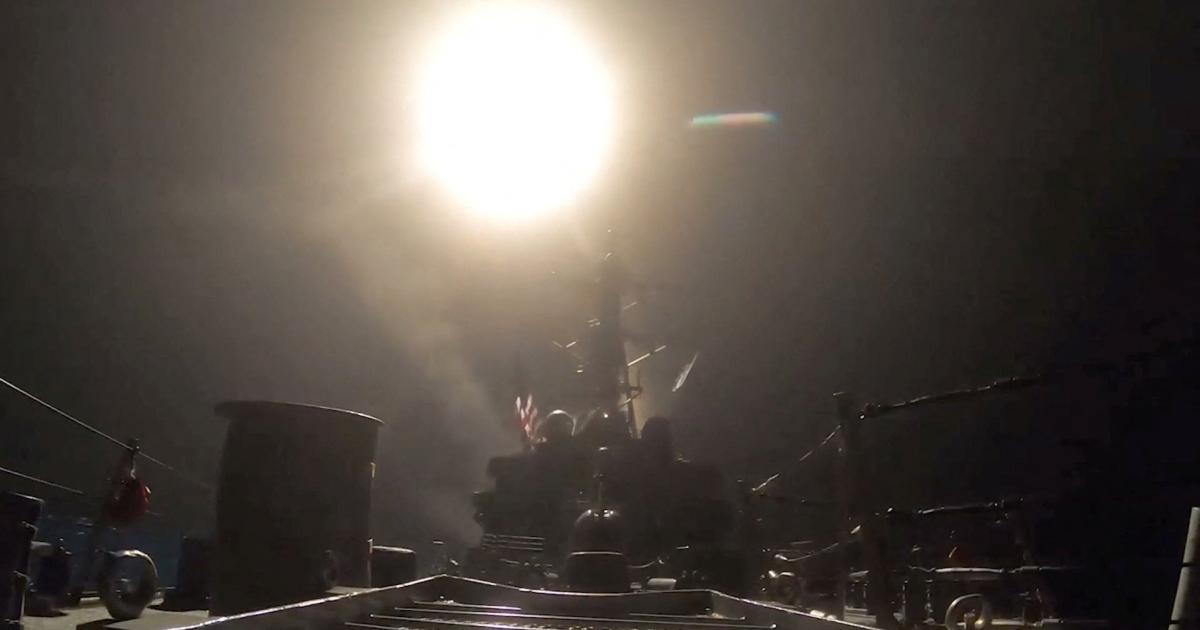
American actions were not limited to verbal threats but extended to actual military operations and airstrikes in several hot spots around the world. These operations included countries such as Iran, Iraq, Syria, and Yemen, in addition to interventions in Somalia, Nigeria, and Venezuela under the pretext of combating terrorism or protecting national interests.
In a related context, the list of countries that received stern American warnings included allied and neighboring countries to the United States, such as Canada and Mexico. The threats also encompassed countries in Latin America and the Caribbean, such as Colombia, Cuba, and Panama, extending to Greenland, a Danish territory in the Arctic.
The nature of these threats varied from case to case; some targeted armed groups classified by Washington as terrorist organizations, while in other cases, they aimed to extract political concessions. Sometimes, it was limited to hinting at not ruling out the 'military option' to ensure countries responded to White House demands.
Political analysts believe that this approach embodies the 'madman theory' in international relations, where a leader deliberately portrays himself as unpredictable. This strategy aims to confuse adversaries and push them to make strategic concessions for fear of uncalculated American military reactions.
The geographical scope of American threats extended to four different continents, placing millions of people in a state of constant anticipation and anxiety. This widespread reach reflects Washington's desire to maintain its global hegemony by demonstrating power in vital and diverse spheres of influence.
It is controversial that five countries on the list—Canada, Cuba, Greenland, Panama, and Venezuela—were mentioned in Trump's statements as potential targets for expanding direct American influence. In some cases, it went as far as hinting at the possibility of annexing territories or regions belonging to these countries under American sovereignty.
Informed sources confirmed that the repetition of these military allusions reflects a more confrontational approach in US foreign policy compared to previous administrations. This approach places immense pressure on the international system and the laws governing the use of force in disputes between nations.
Regarding the Sultanate of Oman, the latest threat represents a fundamental shift in the American perception of a country historically known for its role as a quiet mediator in regional crises. It appears that Washington has grown impatient with Oman's neutrality policy, especially concerning issues related to the Islamic Republic of Iran.
Reports indicate that this policy raises increasing questions about the limits of military power as a tool to achieve strategic goals, away from traditional diplomatic channels. It seems that the current administration prefers military decisive action or the threat of it as a shortcut to address thorny issues.
Despite Trump's electoral promises to reduce foreign military interventions, the reality on the ground and in politics proved quite the opposite. Military force has become the dominant language in dealing with international crises, whether with traditional adversaries or even with trade partners.
In conclusion, the inclusion of the Sultanate of Oman in the list of 15 countries opens the door to new escalation possibilities in the Arabian Gulf region and the Strait of Hormuz. The question remains about the seriousness of these threats and the international community's ability to curb the confrontational tendencies of the current US administration.
The United States may resort to targeting the Sultanate of Oman if it attempts, in coordination with Iran, to control the Strait of Hormuz.

Share your opinion
Oman Joins the List.. 15 Countries Worldwide Affected by Trump's Military Threats