







Sadness and pain overshadowed the Eid atmosphere in the Gaza Strip, where the usual celebrations were absent, replaced by rituals of loss and deprivation. Instead of heading to public squares, crowds of citizens flocked to cemeteries in Nuseirat and Khan Yunis to visit their loved ones who perished during the ongoing war. The signs of heartbreak were evident on the faces of mothers and widows who found nothing but tombstones to address their sons and husbands on a day that was supposed to be for joy.
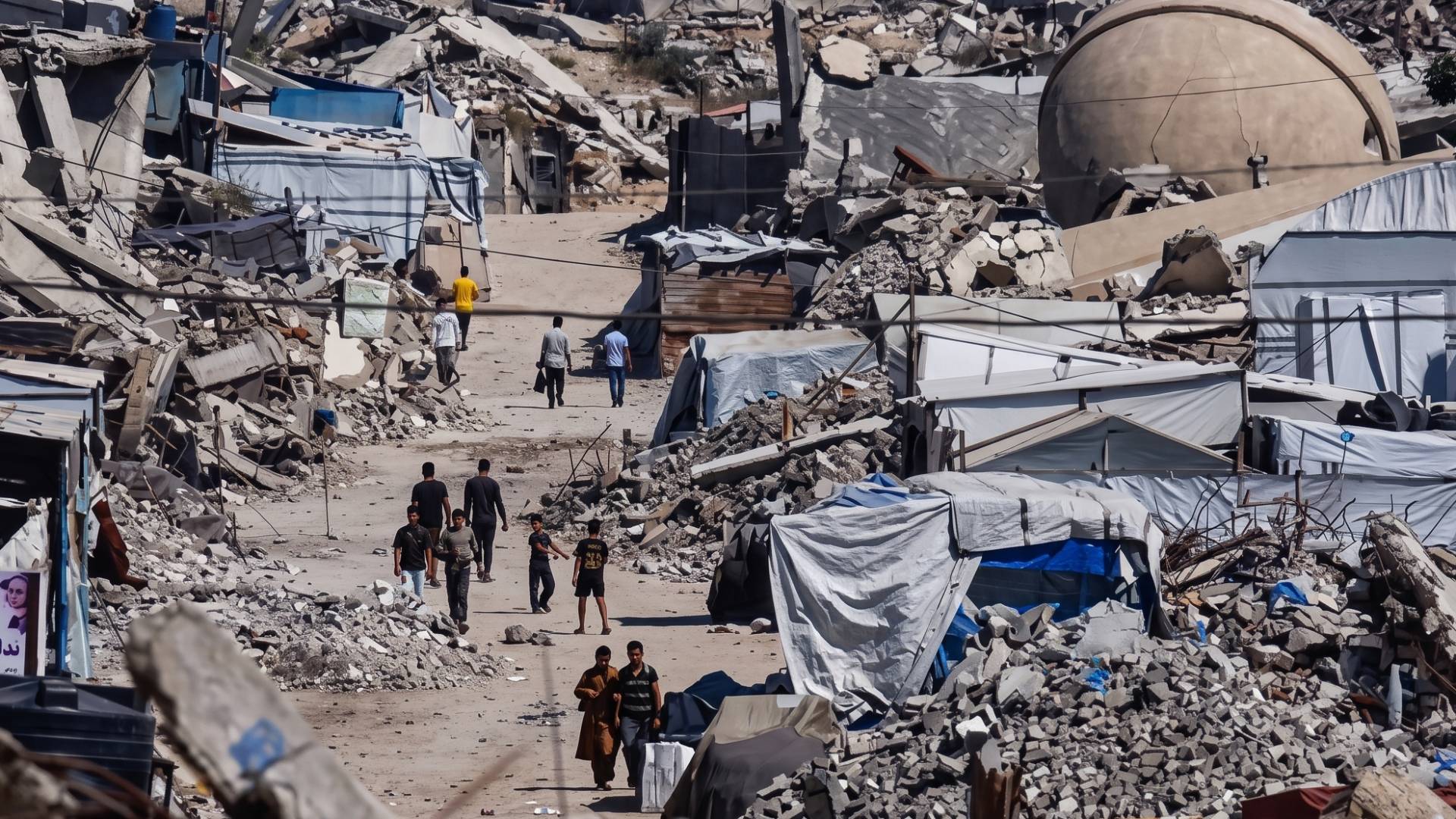
In the Nuseirat cemetery, Umm Muhammad Attia recounted her tragedy, embracing her orphaned grandchildren over the grave of her eldest son, recalling how he was the first to congratulate her every Eid. This story is repeated in every corner of the Strip, where holidays have turned into occasions to reopen wounds and evoke memories of families scattered between martyrs and displaced persons. Local sources confirmed that the absence of providers and homes dispelled any sense of joy, especially in the dilapidated displacement tents that lack the most basic necessities of life.
Regarding living hardships, thousands of families live in cramped tents in the Al-Mawasi areas, such as the Al-Masri family, who were displaced 14 times before settling in a tent no larger than 16 square meters. These families face extreme difficulties in providing basic needs for children, as exorbitant prices and a lack of cash prevented them from buying Eid clothes. Some resorted to bank transfers to give Eidiyah due to the deterioration of circulating paper currencies and the prevention of new quantities from entering.
Official statistical data indicate the scale of the humanitarian catastrophe, as the number of widows in the Strip has risen to more than 22,000 women, while women now head about 18% of Gazan households. For its part, UNICEF warned of the psychological and physical consequences of the war on children, confirming that more than 56,000 children have lost one or both parents, leaving an entire generation facing an unknown future filled with orphanhood and malnutrition.
Regarding religious rituals, the occupation authorities deliberately deprived the residents of the Strip from performing the ritual of sacrifice by closing crossings and preventing the entry of livestock. The government media office reported that the occupation prevented the entry of about 41,000 heads of calves and sheep that were designated for the Eid season. This measure was considered by human rights sources a blatant violation of religious and human rights, and a step aimed at tightening the siege and starving the population amidst the genocide war.
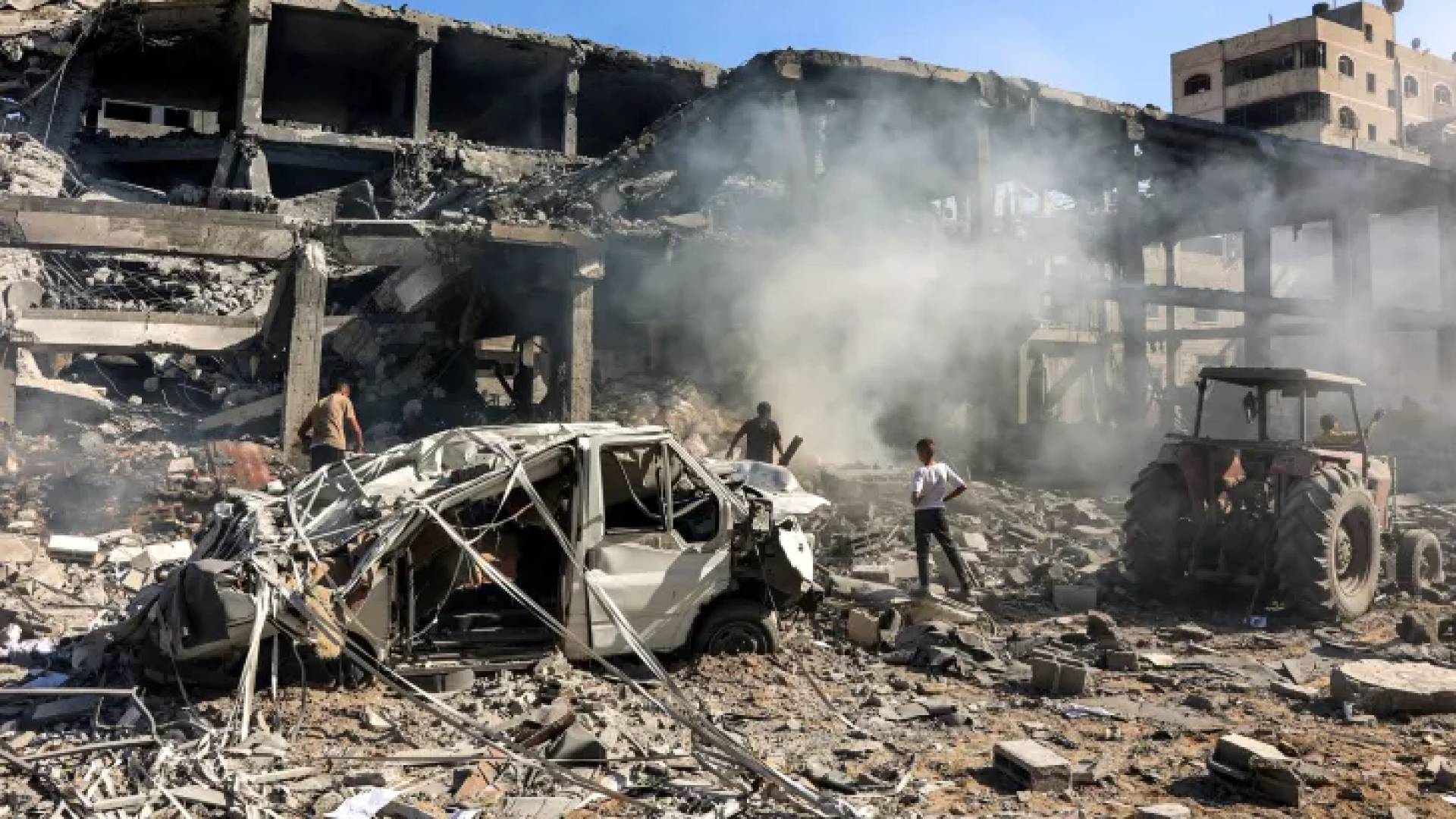
As for the children of Gaza, amusement parks and gardens were absent, leaving them to play on the rubble of destroyed homes or busy helping their families transport water and manage tent affairs. Despite the sounds of Takbir echoing from the ruins of mosques, the sounds of Israeli shelling continued to pursue the displaced, confirming that Gaza is experiencing an exceptional Eid where steadfastness mixes with pain, and sacrifices are absent, replaced by the blood of victims and the patience of the bereaved.
While the world draws closer to God with sacrifices, the people of Gaza draw closer with the blood of their children and women, and with their patience under bombing, hunger, and abandonment.



Share your opinion
Gaza's Holidays Burdened by Loss: Graves as an Alternative to Sacrifices and Rubble as a Playground for Children