







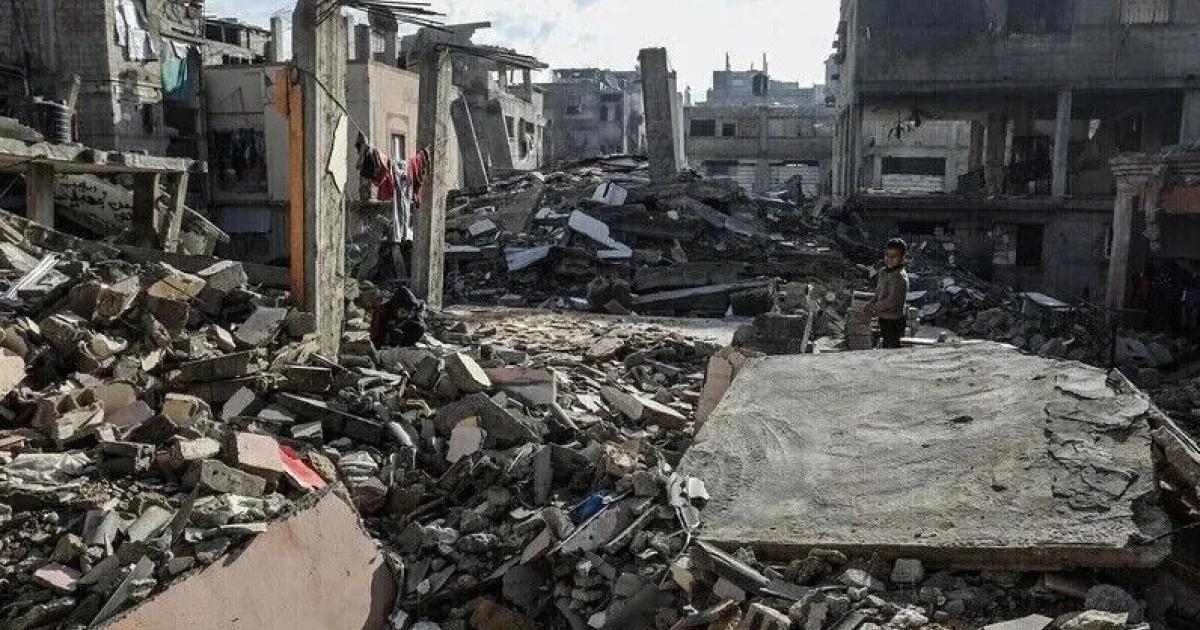
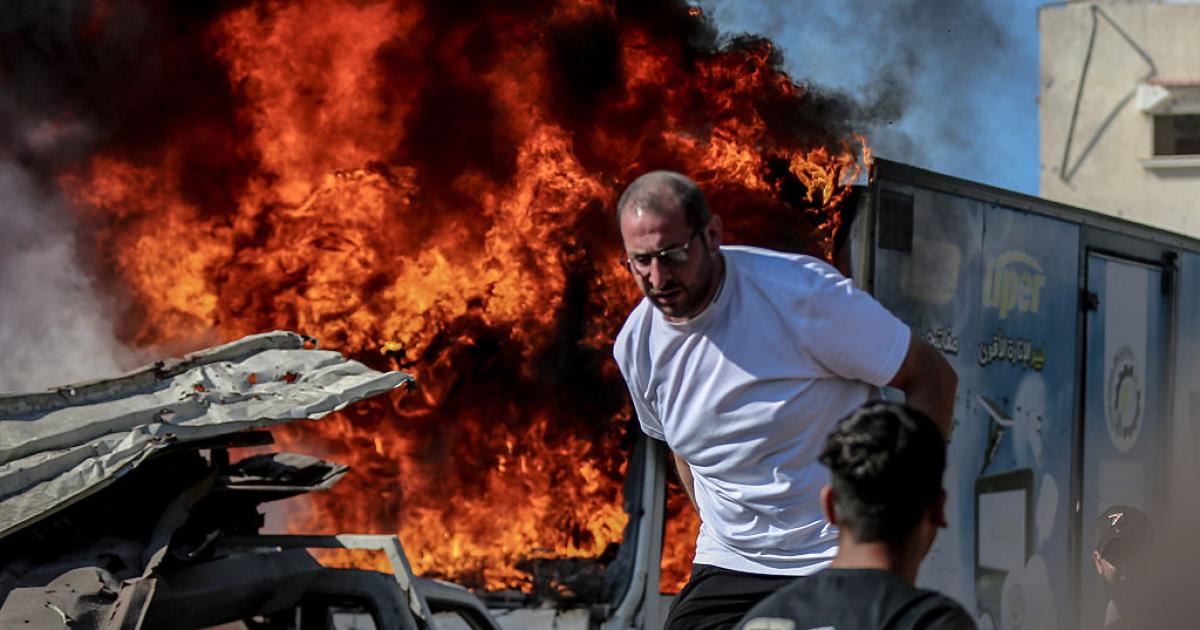
The catastrophe in the Gaza Strip extends beyond daily numbers and statistics, manifesting in the details of women's lives as they face unprecedented challenges to survive. In an article published by the British newspaper The Guardian, field researcher Alfat Al-Kurd recounts how simple daily tasks transform into arduous battles for survival. The writer, who lost her family and home in the Shujaiya neighborhood and was displaced six times, asserts that her story is merely a mirror of a broader reality experienced by thousands of women under the weight of the ongoing war.
Al-Kurd believes that understanding the reality of what is happening in Gaza requires listening to the voices of women who bear the burden of sustaining society amidst the destruction. The war is not limited to direct bombardment but extends to the daily ability to feed children and provide care and protection for the family. The destruction of these capabilities represents the core of attempts to undermine Palestinian society from within, making women's testimonies essential documentation for understanding the atrocities experienced.
The testimonies collected by Al-Kurd include painful stories, such as that of Safaa Al-Farmawi, who lost her fifteen-year-old daughter, Ghazal, to occupation bullets at an aid center. The girl was searching for a livelihood for her family during the famine striking Rafah and all areas of the Strip. These incidents reveal how the search for food turns into a deadly risk affecting both youth and women alike.
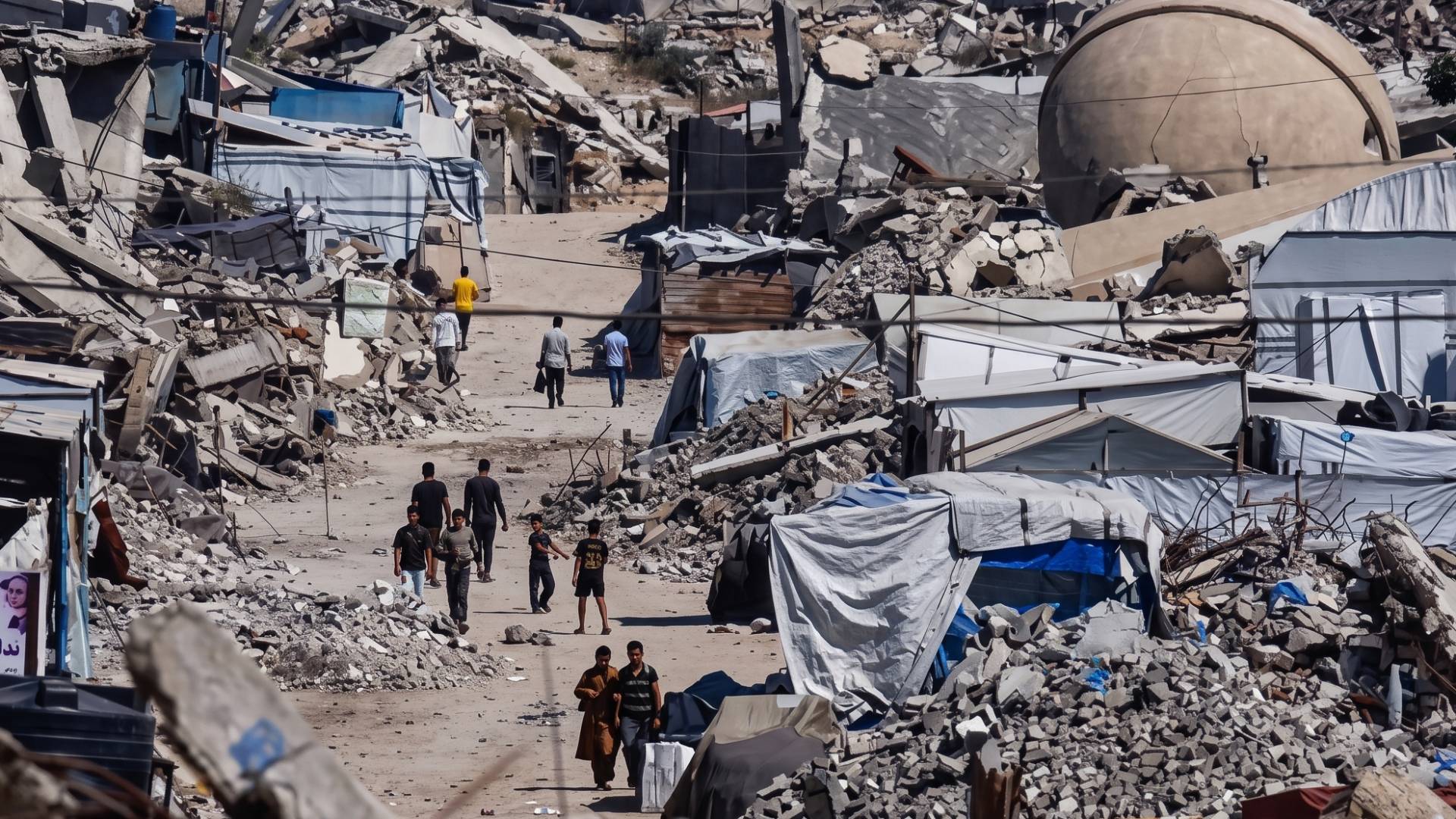
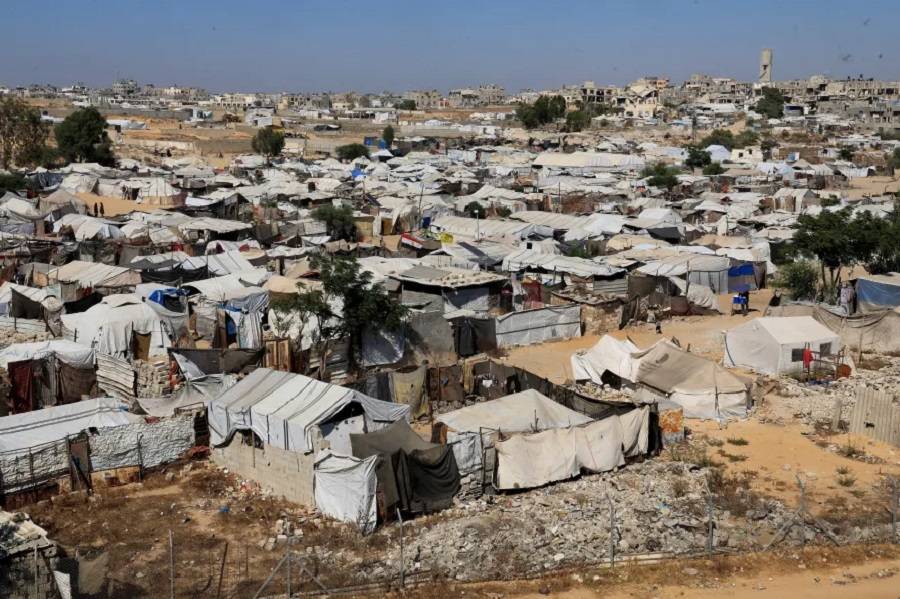
Regarding personal dignity, women suffer from a complete collapse of basic privacy and hygiene conditions in overcrowded displacement camps. Many are forced to use pieces of old clothing as substitutes for missing sanitary supplies, which constitutes a daily assault on the body and soul. This tragic situation reflects the depth of the humanitarian crisis, which goes beyond a mere lack of food to reach the most intimate details of female life.
The health system in Gaza faces a comprehensive collapse, making pregnancy and childbirth a perilous and deadly experience. Pregnant women lack essential medical care and nutritional supplements, leading to serious complications that threaten the lives of both mother and fetus. Breastfeeding mothers also find themselves unable to provide milk for their children due to severe malnutrition, amid the scarcity of formula milk in the markets.
These testimonies are no longer mere fleeting stories but have transformed into an organized documentation effort led by Palestinian and international academic and human rights institutions. The 'Testimonies of Women from Gaza' project, launched by the Institute of Women's Studies at Birzeit University, seeks to collect and preserve these voices as a historical archive. The project aims to highlight the language and life produced by women amidst the rubble, far from the stereotypical image of the passive victim.
Prominent human rights organizations such as Al-Haq and the Palestinian Centre for Human Rights participate in this documentation process by shedding light on complex losses. These reports focus on privacy violations and the suffering of mothers who have lost their children or live under the weight of psychological collapse. Linking these individual experiences to the general human rights context contributes to building legal cases condemning the occupation's practices before the international community.
This documentation movement has extended into the digital and audio space through international initiatives such as the 'Voices from Gaza' podcast. These platforms seek to connect the testimonies of girls and women with international law and the Convention on the Prevention of Genocide. Thus, personal testimony transforms into a legal and political tool aimed at changing the global understanding of what is happening in the besieged Strip.
Sources confirm that the role of women in Gaza has shifted from traditional care to leading the daily battle for survival in tents and shelters. After the destruction of homes, women have become responsible for managing cooking, washing, and searching for water and firewood under harsh conditions. This heavy burden places women in direct confrontation with the consequences of the war, making them the last bastion for protecting the social fabric from disintegration.
Alfat Al-Kurd's article and accompanying efforts reaffirm that the voice of Palestinian women is not merely an appeal for sympathy but a means to broaden the lens of perception. War is not understood only through the number of martyrs but through the question of life that is snatched from those who remain alive. Listening to these details is the only way to grasp the magnitude of the crime being committed against humanity and dignity in the Gaza Strip.
Understanding what is happening in the Strip is not complete by viewing women as an additional category of victims, but by seeing them at the heart of the meaning of genocide.
Share your opinion
Beyond the Numbers: Testimonies of Gaza's Women Document Daily Survival in the Face of Genocide