







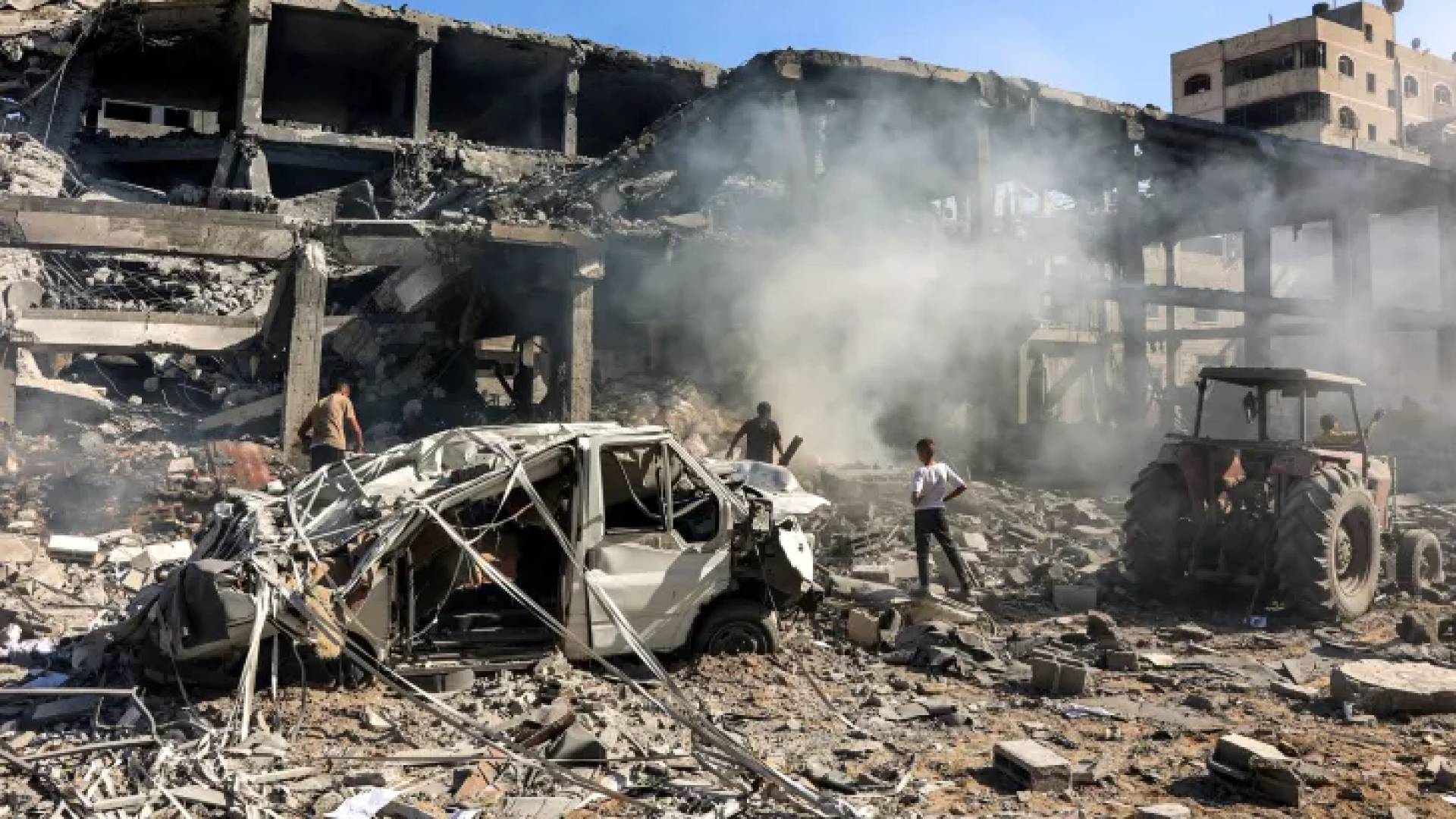
Alfat Al-Kurd, a field researcher at the Israeli Information Center for Human Rights in the Occupied Territories (B'Tselem), presented a moving testimony documenting the scale of the tragedy experienced by the Gaza Strip under the ongoing genocide. Al-Kurd affirmed that women represent the most affected segment, paying the highest price for Israeli war crimes that systematically aimed to dismantle homes and society.
The researcher recounts her bitter personal experience, having lost her father, brother, and his family, who are still under the rubble, before being forced to displace six times within the Strip to escape the intense bombardment. Al-Kurd described the displacement journey from the Shuja'iyya neighborhood to Al-Shifa Hospital, then to Al-Maghraqa and Khan Yunis, reaching Rafah, where her family lived in tents lacking the most basic necessities for human life.
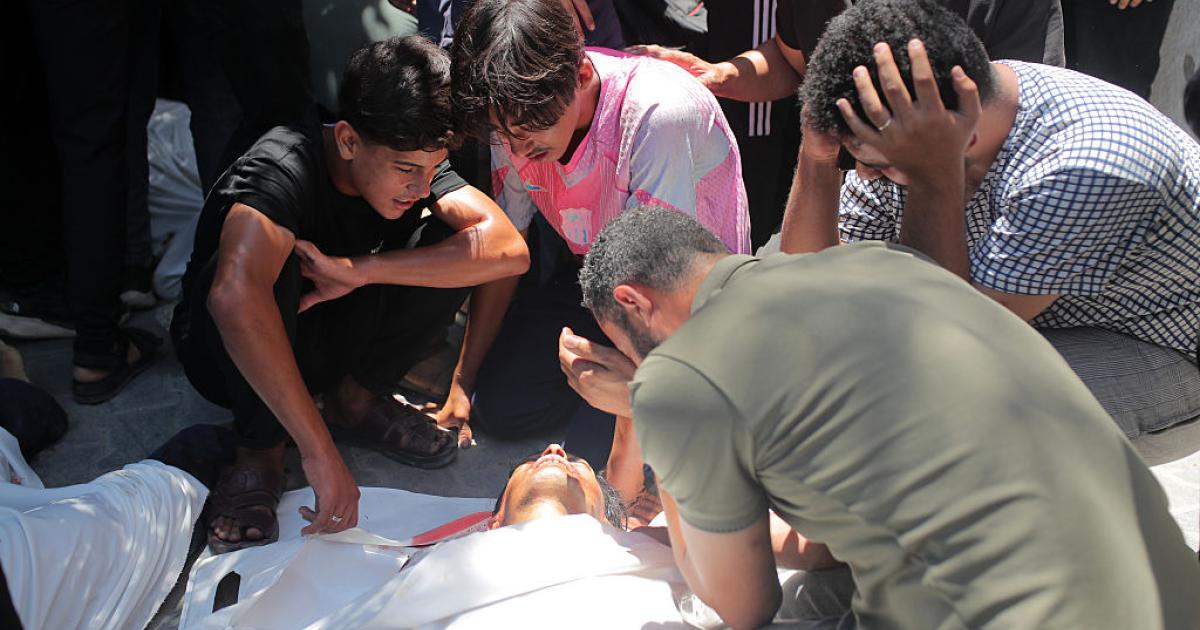
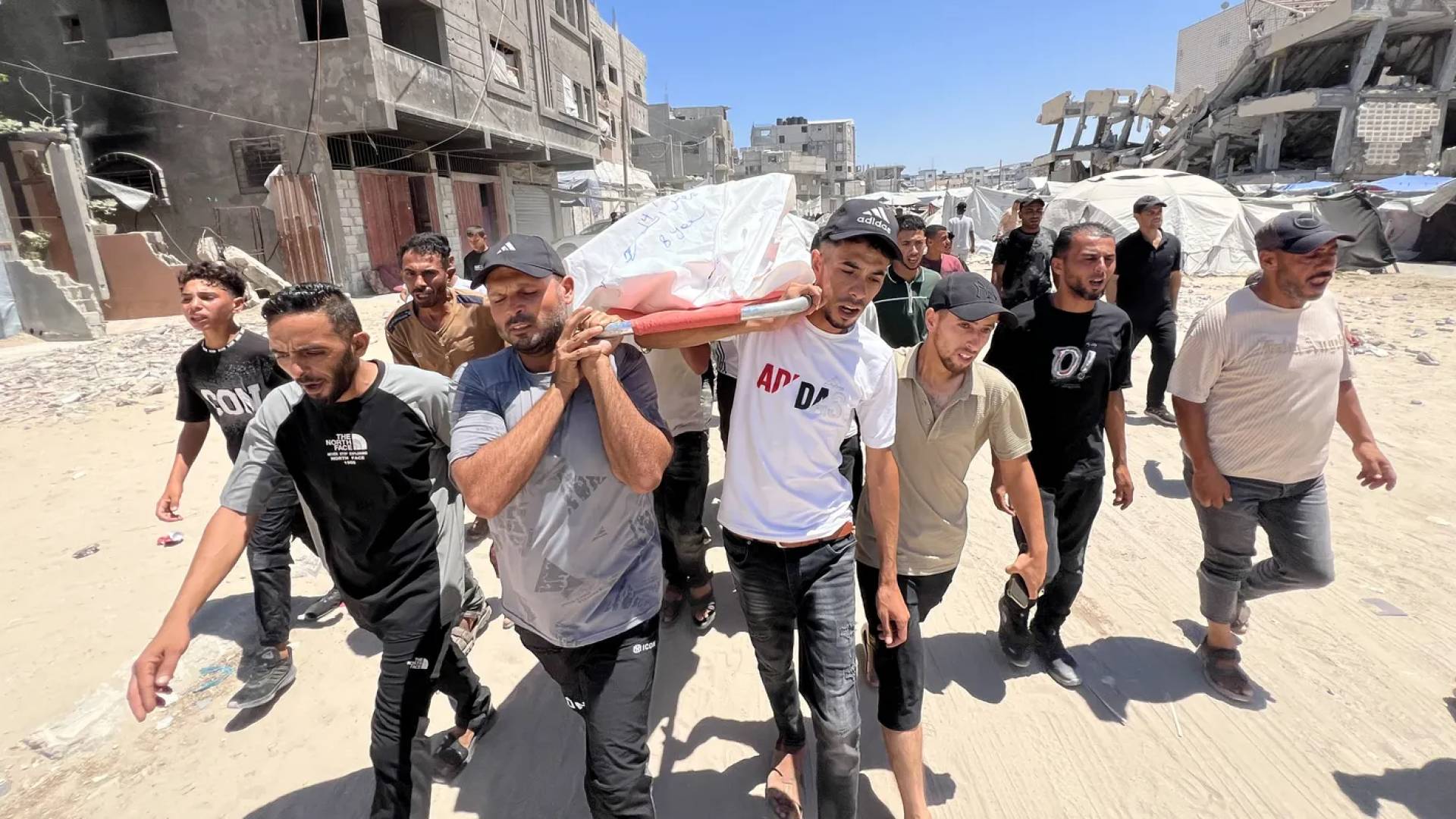
Human rights and UN data point to a catastrophic reality, where occupation forces have killed over 38,000 women and girls, while approximately 11,000 others have suffered permanent disabilities that will accompany them for life. These figures reflect a direct targeting of the Palestinian social fabric and the community's ability to continue, turning the lives of survivors into a bitter daily struggle for survival.
The testimony touched upon tragic stories of women who lost their children before their eyes, such as the story of Safaa Al-Farmawi, whose 15-year-old daughter, Ghazal, was martyred by Israeli army bullets while trying to obtain a food parcel in Rafah. This incident reflects the extent of the famine used by the occupation as a weapon of war, where the journey to find bread turns into a direct confrontation with death.
Women in displacement centers and tents suffer from inhumane conditions, lacking privacy and basic sanitation facilities, forcing many to use worn-out cloth pieces as alternatives for sanitary supplies. This bitter reality is accompanied by a complete collapse of the healthcare system, making pregnancy monitoring or obtaining necessary medical care impossible for thousands of pregnant women.
Severe malnutrition and a lack of essential vitamins have led to the spread of diseases among newborns, while mothers are unable to breastfeed their infants due to hunger and general physical weakness. Families face extreme difficulties in securing formula milk, which has become scarce, putting the lives of an entire generation of Palestinian children at stake amidst a deafening international silence.
Nabila Abdel Nabi, a mother of six, describes her life as having turned into a continuous tragedy and an endless hell, spending her nights crying over the plight of her family. These feelings reflect the state of existential doubt and uncertainty that dominates the women of Gaza, who have often become the sole breadwinners for their families after losing their men.
Women in Gaza issued an urgent appeal to the world, demanding an immediate end to the genocide that has stripped them of their homes, freedom, and privacy. The testimonies affirmed that steadfastness in the face of this escalating violence is a form of resistance, as women insist on preserving their identity and motherhood despite systematic Israeli attempts to erase Palestinian existence.
The genocide committed by Israel means the systematic dismantling of all aspects of life and the destruction of any possibility for a Palestinian future in the Gaza Strip.
Share your opinion
Harsh Testimonies from the Heart of the Genocide: Women of Gaza Face Death and the Dismantling of Life's Essentials