







French press sources revealed a state of embarrassment that prevailed in diplomatic circles following US President Donald Trump's request for leaders of Arab and Islamic countries to join the normalization path. The polite, though unofficial so far, refusal reflected a gap in visions between Washington and the region's capitals regarding the future of the conflict in the Middle East.
During a phone conference held by Trump last Saturday with leaders from Gulf countries, Pakistan, and Turkey, a long and surprising silence prevailed from the interlocutors. This silence came in response to Trump's proposal to normalize relations with Israel once an anticipated agreement with Iran is reached, which observers considered a leap over the complex reality on the ground.
Through his 'Truth Social' platform, Trump stressed that the countries participating in diplomatic efforts are obligated to sign the 'Abraham Accords' at the same time. The US President considered this step a repayment for the efforts made by the United States in trying to resolve the complex regional crises that have plagued the region for years.
Despite these pressures, the concerned countries maintained official silence, while their diplomatic circles began to explain the reasons for the impossibility of responding to the American demand at the present time. Trump's request primarily targets pivotal countries such as Saudi Arabia, Pakistan, and Qatar, given their strategic roles in mediation efforts with Iran and Hamas.
Regarding the Saudi position, attention is focused on Crown Prince Mohammed bin Salman, whose country has maintained a steadfast and unwavering stance. Riyadh affirms that any step towards normalization is organically linked to an irreversible path towards the establishment of an independent Palestinian state, which the current Israeli government rejects outright.
Researchers believe that Benjamin Netanyahu's government and the Israeli Knesset have placed significant obstacles in this path after adopting resolutions rejecting the establishment of a Palestinian state. This Israeli intransigence has made the issue of Saudi normalization a postponed matter, especially amidst the ongoing war and the fall of thousands of victims in the Gaza Strip and the West Bank.
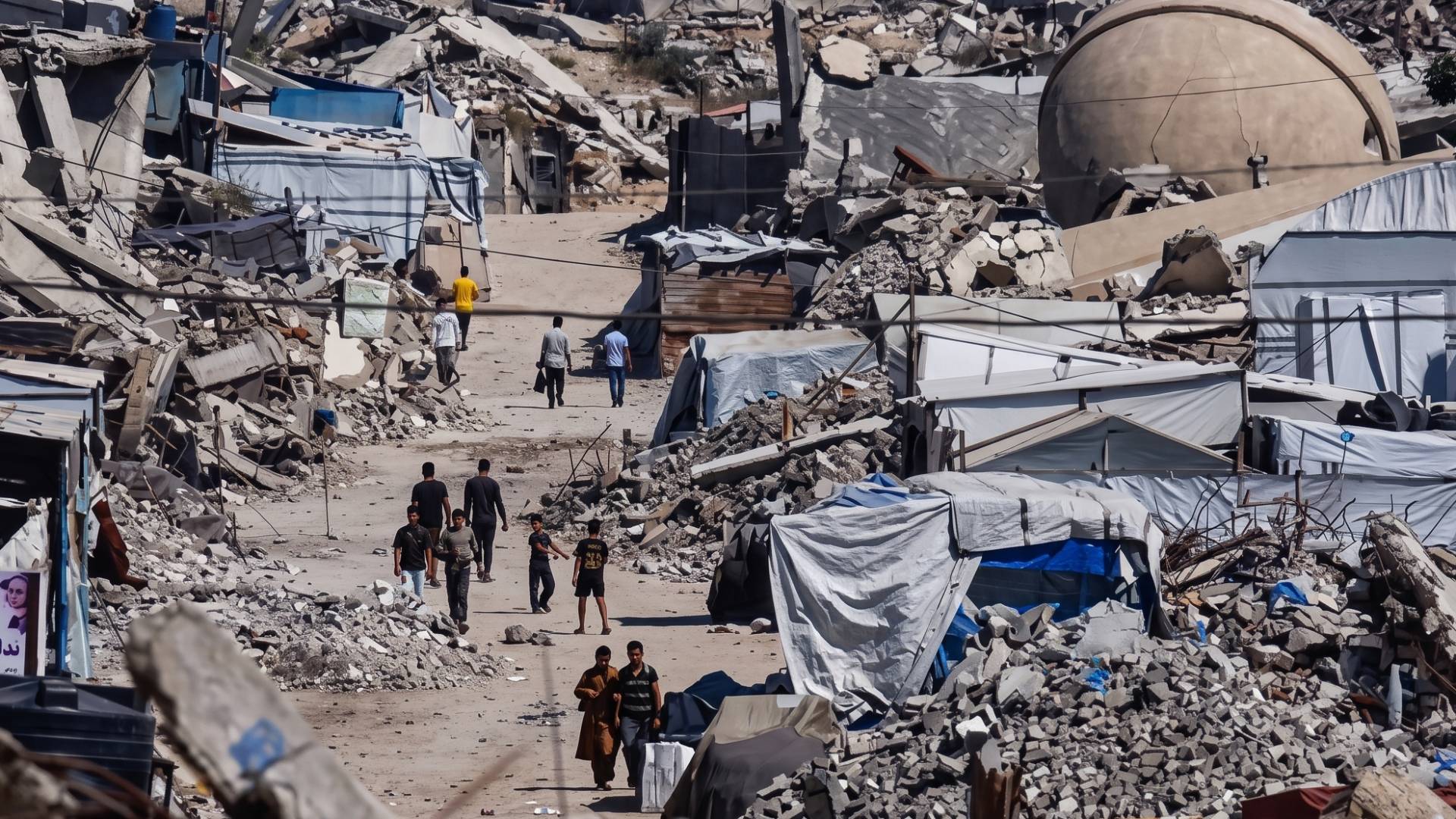
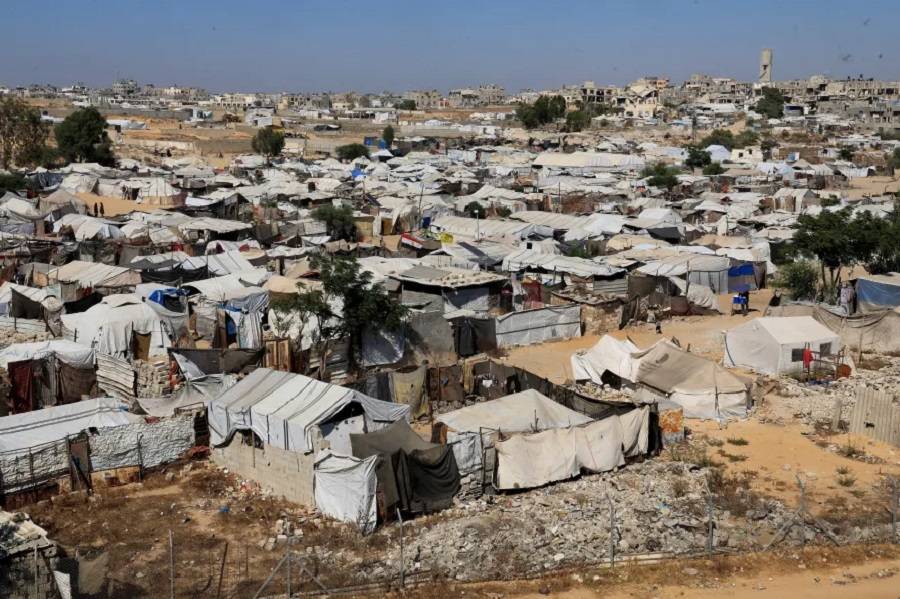
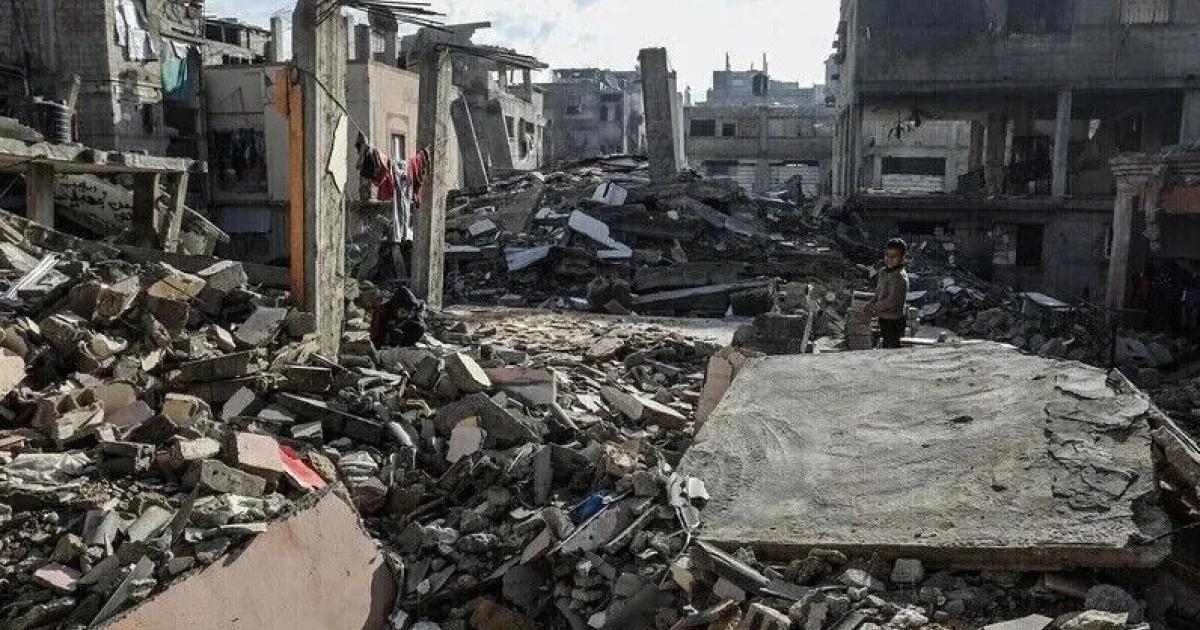
Reports indicate that Arab public opinion, angered by the continuous Israeli bombing, represents additional pressure on decision-makers in the region. Diplomatic risk at this time seems to have uncalculated consequences, especially with the growing gap between American promises and the tragic reality experienced by Palestinians under occupation.
Despite Gulf apprehension about Iranian policies, Saudi Arabia does not seem willing to engage in a security system led by Israel. Instead, Riyadh seeks to strengthen an Arab-Islamic Sunni axis that includes regional powers such as Egypt, Turkey, and Pakistan, away from absolute dependence on American-Israeli projects.
Former diplomats believe that regional competition between some Gulf capitals prevents the expansion of the 'Abraham Accords' in the way Trump dreams of. Experts described the US President's requests as lacking realism, especially when he previously suggested that Iran itself join these agreements, ignoring decades of mutual hostility.
Academic circles describe the current US administration as 'detached from reality' in its understanding of the dynamics of the new Middle East. The escalation initiated by Washington and Tel Aviv against Tehran has cost the region's countries dearly, making them more cautious about engaging in diplomatic adventures with uncertain outcomes.
In Pakistan, observers believe it is almost impossible to change foreign policy towards the Palestinian issue in response to fleeting desires from the White House. Popular and political sentiment in Islamabad rejects recognition of Israel without a just and comprehensive solution that guarantees the legitimate rights of the Palestinian people in their land.
It seems that Trump's attempts are essentially aimed at crafting a media narrative that shows the success of his strategy in containing Iran and reshaping the region. However, this illusion clashes with the realities on the ground, where the Palestinian issue remains the primary driver of stability or explosion in the Middle East, far from fragile normalization deals.
Normalization will not happen unless Israel is willing to commit to an irreversible path towards the establishment of a Palestinian state.


Share your opinion
Arab Silence and Regional Apprehension.. Trump Pushes to Expand 'Abraham Accords' Amidst Israeli Intransigence