






The most vulnerable groups in the West Bank face a bitter reality as Eid al-Adha approaches, due to the escalating systematic campaign by the Israeli occupation to close Zakat committees and relief organizations. In the city of Jenin, hundreds of citizens found themselves facing doors welded shut with oxygen, after occupation forces raided the headquarters of the Central Zakat Committee, wreaked havoc, and confiscated its financial and administrative documents.\n\nThis closure was not merely an administrative measure, but a devastating blow to thousands of families who depend on the committee for securing medicine and food. Yasser Aref and the elderly 'Sa'da' were among dozens who were shocked by the decision, as they had hoped to receive prescriptions for chronic diseases that health directorates are unable to provide due to the severe shortage of medical supplies plaguing the West Bank.\n\nField testimonies indicate that the Jenin Zakat Committee was a lifeline for needy families, having provided nearly $150,000 in Eid gifts and cash assistance during the last Eid season alone. Today, these families find themselves deprived of 'Eid clothing' and meat parcels that were regularly distributed, which exacerbates the suffocating economic crisis.\n\nSamir Al-Souqi, the head of the committee, affirmed that the occupation dashed the hopes of thousands of families without prior warning or legal justification, noting that the committee has been working for more than 40 years to serve orphans and the poor. He explained that the targeting affected financial files and beneficiary data, which disrupted relief work and deprived orphans of their financial allocations that were scheduled to be disbursed before Eid.\n\nThis targeting is not limited to Jenin alone, but extends to all cities in the West Bank; weeks ago, occupation forces closed the Zakat Committee in the town of Idhna in Hebron, and the Madeed Charitable Society in Nablus. This policy aims, according to observers, to dry up sources of charitable work and intimidate donors from within Palestine and abroad, threatening the continuity of international relief programs.\n\nAmidst these restrictions, unemployment rates in the West Bank reached record levels of 27.5% during the current year, while poverty rates jumped to about 58%. This deterioration in living conditions coincides with an insane rise in the prices of sacrificial animals, where the price of a kilogram of live meat reached 50 shekels, making the revival of Eid rituals a distant dream for the vast majority.\n\nPolitical analysts believe that targeting relief institutions falls within a plan to dismantle the Palestinian social fabric and strike institutional existence. The occupation seeks through these measures to preoccupy Palestinians with their livelihoods and divert their attention from the accelerating Judaization projects in Jerusalem and the West Bank, by pushing them towards the line of extreme poverty.\n\nIn parallel with the strangulation of the West Bank, the occupation continues its brutal aggression on the Gaza Strip, where field sources reported the martyrdom of 5 Palestinians in an Israeli drone strike that targeted citizens east of the Maghazi refugee camp. The victims were trying to confront armed groups supported by Israel that attempted to storm citizens' homes in the area, resulting in severe injuries that reached Al-Aqsa Martyrs Hospital.\n\nIn Khan Yunis, the Israeli killing machine continues to claim the lives of children, as the child Fatima Abdel Hadi Al-Khatib (14 years old) was martyred due to her wounds from the shelling of displaced persons' tents. The child Menna Allah Nabil Abu Labda and the citizen Hanan Abdel Nasser also joined the list of martyrs, amidst the continued artillery and aerial bombardment that does not differentiate between civilians and vital infrastructure.\n\nOfficial statistics indicate that the toll of violations of the ceasefire agreement since last October reached 904 martyrs, while the total toll of the aggression since October 2023 exceeded 72,000 martyrs. These numbers reflect the magnitude of the humanitarian catastrophe experienced by the Palestinian people amidst international silence and declining global media attention to the issue.\n\nOn the humanitarian front in Gaza, the closure of crossings, especially the Rafah crossing, exacerbates the suffering of residents who were deprived of performing the Hajj pilgrimage this year. Strict Israeli control over the movement of individuals and goods has turned the Strip into a large prison, where medical and food aid is prevented from entering sufficiently, threatening the spread of famine and epidemics.\n\nDespite international talk about de-escalation efforts, the facts on the ground indicate the continuation of systematic assassinations and targeting of infrastructure. The United Nations estimates the cost of rebuilding what the occupation destroyed in Gaza at about $70 billion, a figure that reflects the enormous scale of destruction that has affected all aspects of life in the besieged Strip.\n\nIn the context of political attempts, the American administration continues to promote projects under the name of 'peace' and the 'Abrahamic Dome', projects that Palestinians see as an attempt to liquidate their cause. Despite all these economic and military pressures, the popular incubator for resistance shows remarkable steadfastness, thwarting the occupation's attempts to sow internal discord or break the will of the people.\n\nThe closure of Zakat committees in the West Bank is not merely a security measure, but part of a comprehensive war targeting the Palestinian presence. Between the hammer of shelling in Gaza and the anvil of economic siege in the West Bank, the Palestinian citizen remains steadfast on his land, despite thousands of orphans being deprived of 'Eid gifts' and patients being deprived of a dose of medicine that a charitable organization used to provide.\n\n"The closure of the committee's headquarters shocked us and put us in a difficult position, as we no longer have hope of providing medicine for our illness.

MORE FROM PALESTINE
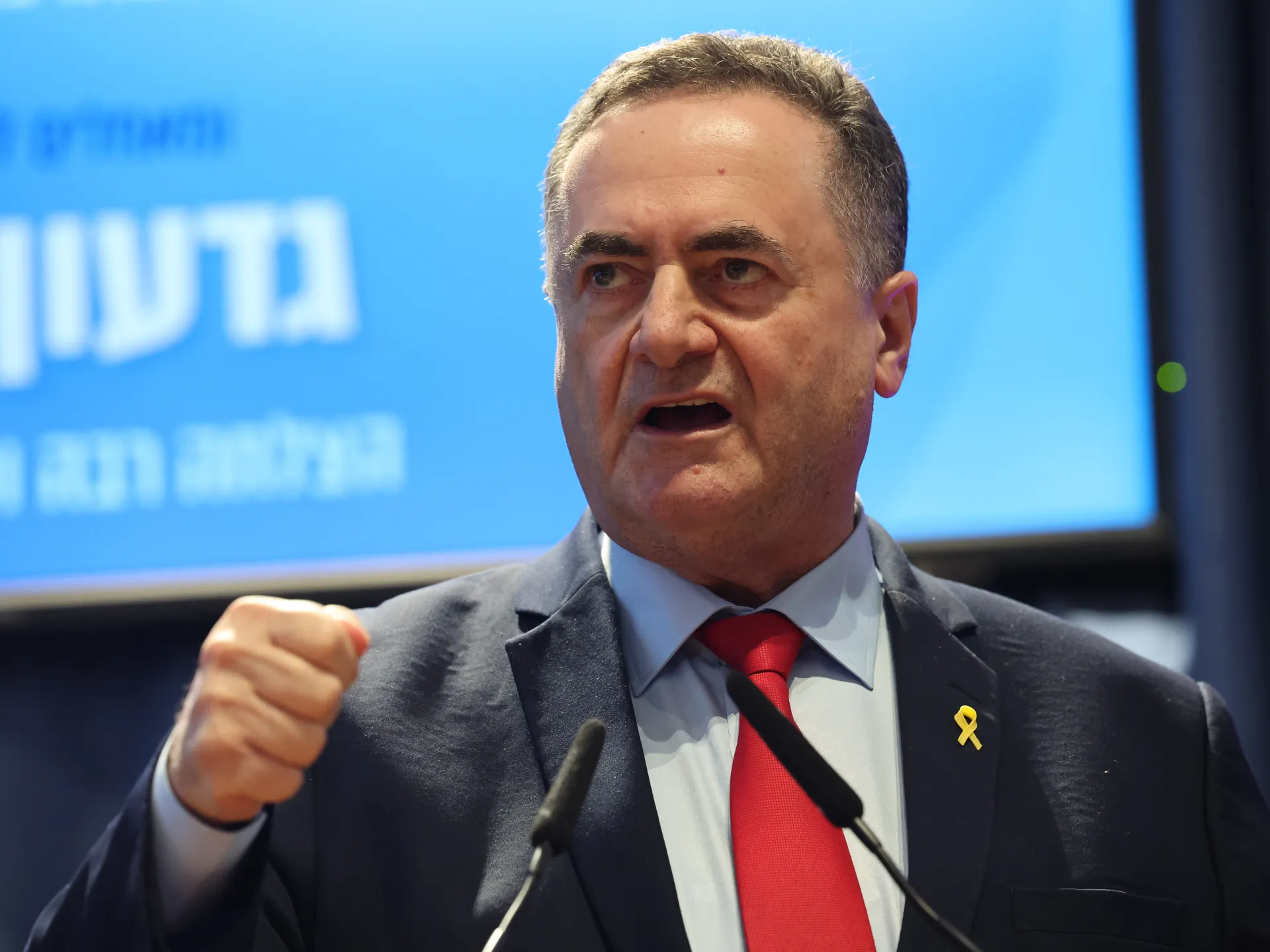
Katz boasts about Gaza's destruction and announces a plan to establish military outposts in the northern Strip
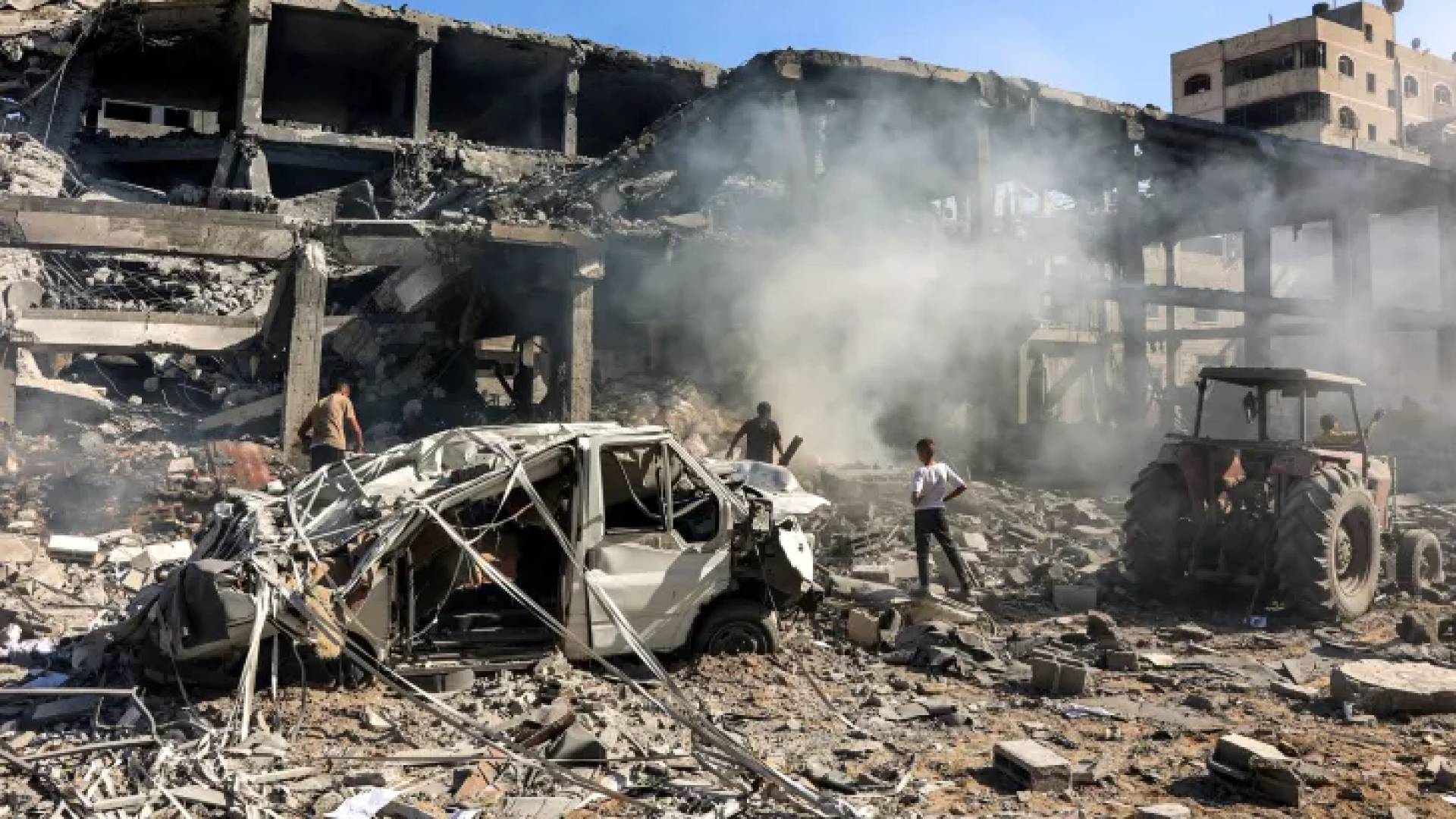
Director of Jabalia Police and Other Officers Martyred in Israeli Massacre North of Gaza
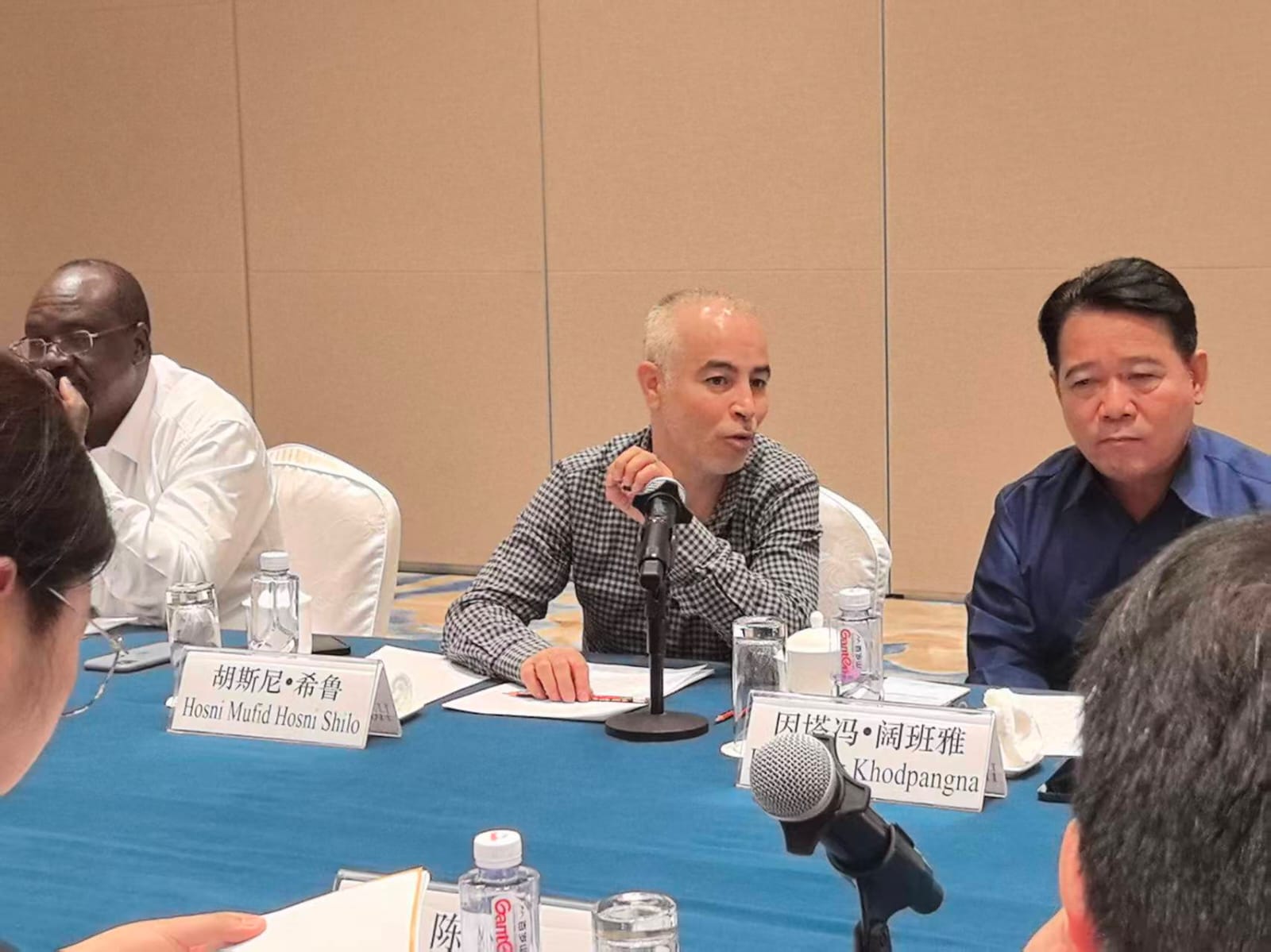
Shilo: We call for the establishment of a “Friends of China Group Worldwide” to enhance media and intellectual cooperation and dialogue among civilizations
Share your opinion
The occupation's war on charitable organizations in the West Bank.. an economic stranglehold pursuing the poor before Eid