







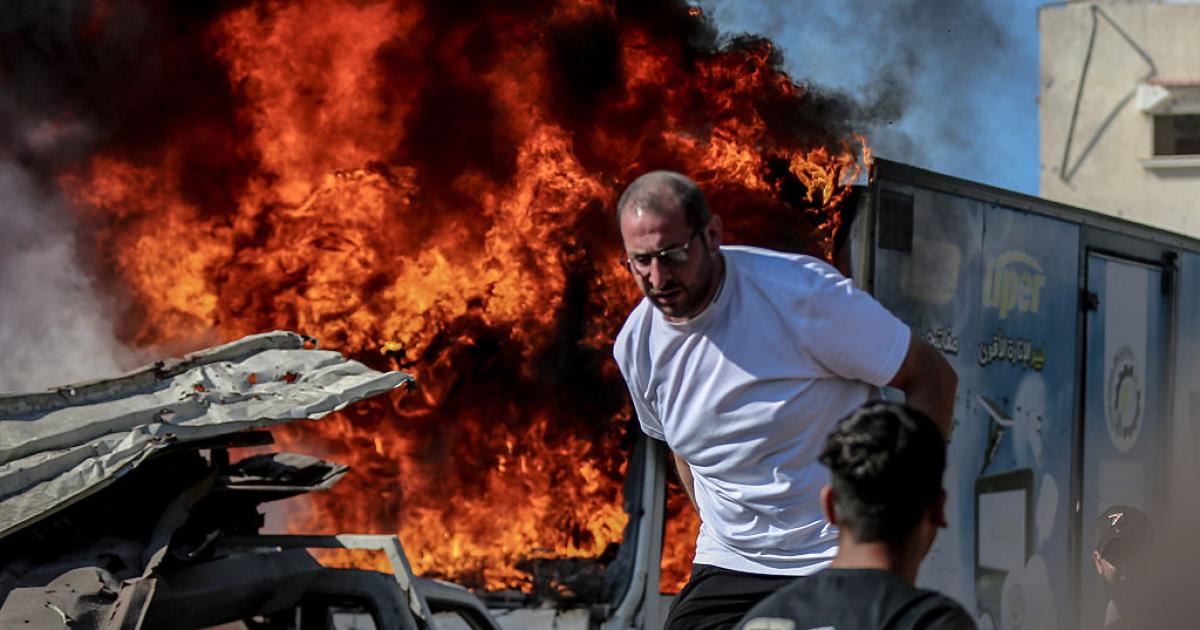
Medical sources reported the martyrdom of a Palestinian and the injury of two others early Monday morning, following a series of airstrikes and artillery shelling carried out by Israeli occupation forces on various areas in the Gaza Strip. One of the raids targeted a home belonging to the Al-Bashiti family in the Al-Maghazi refugee camp in the central Strip, resulting in injuries, one of which was described as serious. The injured were transferred to Al-Aqsa Martyrs Hospital in Deir al-Balah.
In Khan Yunis city, south of the Strip, Nasser Hospital announced the martyrdom of young Ahmed Samir Farahat, who succumbed to his wounds sustained days earlier due to an Israeli shelling that targeted him in the western area of the city. These developments come amid ongoing field aggressions targeting civilians in various governorates despite existing understandings.
The Ministry of Health in the Gaza Strip announced the casualty toll over the past twenty-four hours, confirming that 6 martyrs and 8 injured individuals arrived at hospitals. The ministry clarified that among the martyrs were cases affected by previous wounds, noting that there are other victims still under the rubble and in rugged areas that ambulance crews find difficult to reach.
On the ground, Israeli artillery launched intense shelling targeting the eastern areas of Khan Yunis city, coinciding with heavy gunfire from vehicles stationed behind what is known as the 'Yellow Line'. This line is a field strip separating areas of army withdrawal and areas where it is still present in the eastern part of the Strip, as defined by ceasefire understandings.
The aggressions were not limited to the southern and central areas; artillery shelling also extended to the eastern neighborhoods of Gaza City, in addition to targeting the eastern and northern outskirts of Beit Lahia town. These shells caused panic among residents who are trying to return to check on their properties in those border areas.
At sea, Israeli warships continued to pursue Palestinian fishermen, firing their machine guns and shells towards boats off the coast of Gaza City. Although no injuries were reported among fishermen during this attack, the continuous pursuits prevent them from carrying out their work and securing their daily livelihood amidst the suffocating blockade.
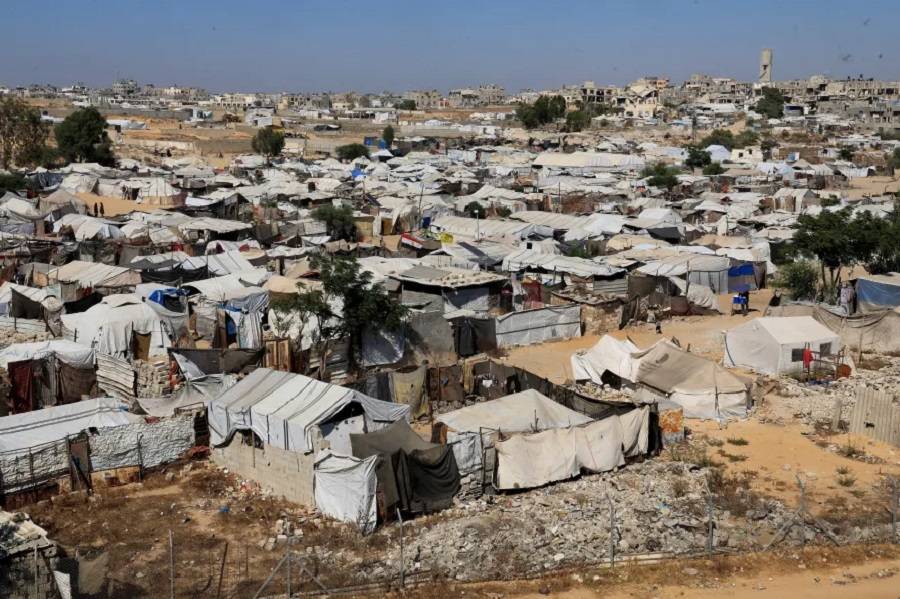
For its part, the United Nations Relief and Works Agency for Palestine Refugees (UNRWA) warned of a serious deterioration in health conditions within the Strip. The agency confirmed that the severe shortage of fuel, pesticides, and medicines significantly hinders efforts to respond to the crisis of spreading skin infections resulting from the proliferation of rodents and insects among displaced persons' tents.
UNRWA stressed the urgent need for unrestricted flow of medical and environmental supplies to save thousands suffering from skin diseases. It explained that the overcrowding of displaced persons in shelters, coupled with the absence of hygiene and sterilization tools, creates a fertile environment for the spread of epidemics that now threaten the lives of children and the elderly in particular.
In a related context, the Government Media Office revealed shocking figures regarding the movement of aid and travelers through the Rafah crossing last week. The office clarified that the percentage of travelers did not exceed 28% of the targeted number, as only 403 people were allowed to leave out of 2400 cases that urgently needed to travel for treatment or humanitarian reasons.
Regarding relief supplies, only 2287 trucks entered the Strip during the same period, representing a deficit exceeding 70% compared to the actual needs, estimated at more than 4200 trucks per week. This severe shortage deepens the humanitarian crisis and increases rates of hunger and malnutrition among the besieged population.
The Ministry of Health's data indicates that continuous Israeli violations of the ceasefire agreement signed on October 10, 2025, have so far resulted in the martyrdom of 890 Palestinians and the injury of 2677 others. These figures confirm the fragility of Israeli commitment to signed agreements and the continued targeting of civilians by various means.
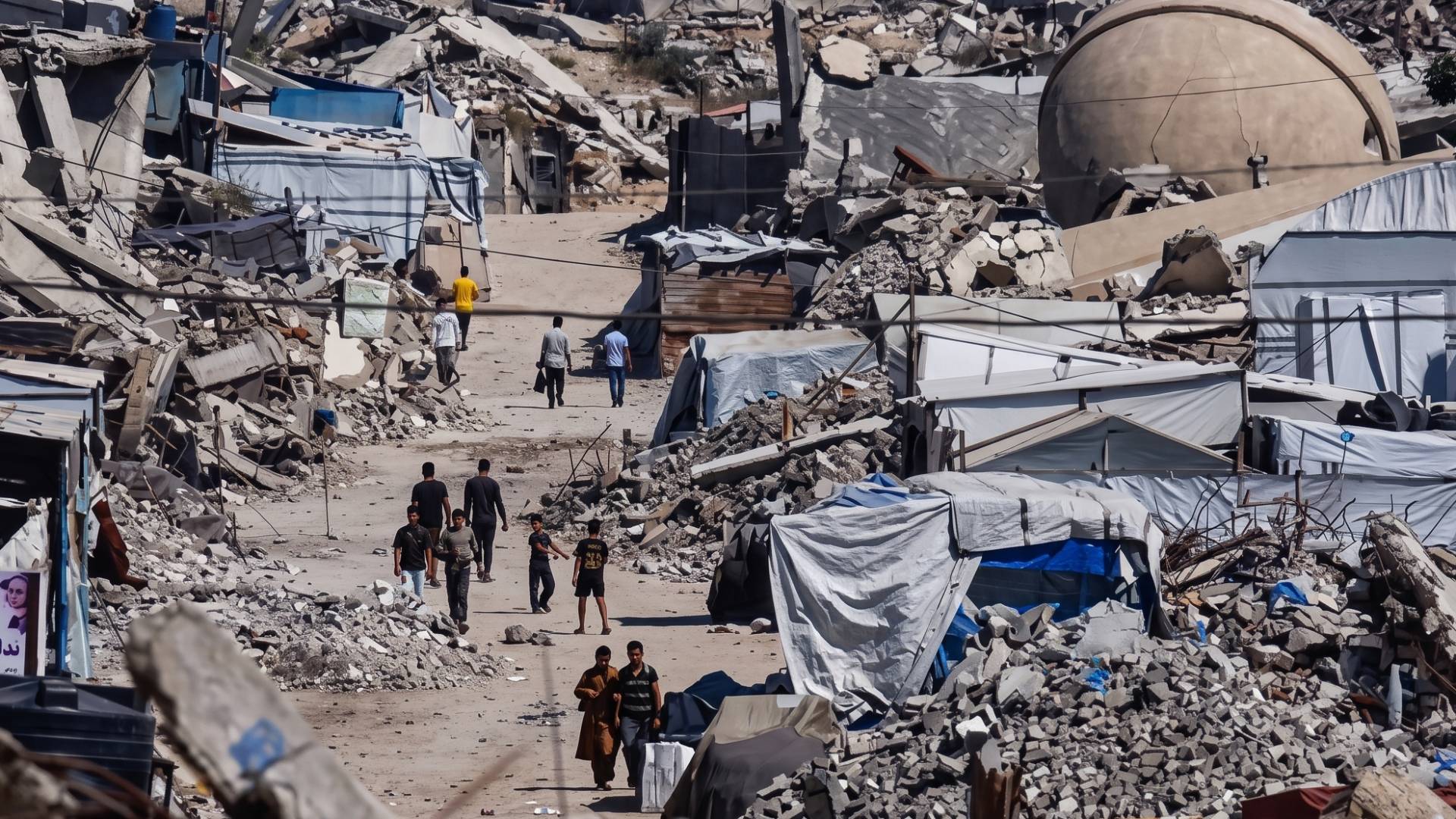
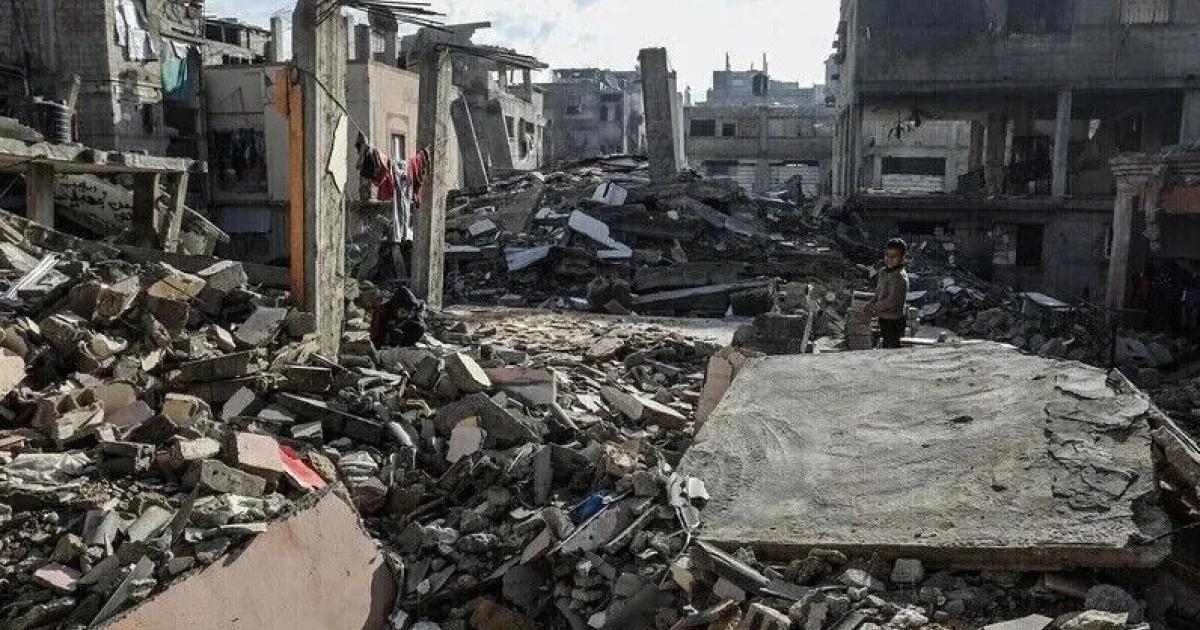
The Gaza Strip is experiencing widespread destruction affecting about 90% of civilian infrastructure as a result of the war of extermination that began in October 2023. The United Nations estimates the cost of rebuilding what was destroyed by the Israeli military machine at about 70 billion dollars, amid an almost complete disruption of vital facilities and basic services in all governorates.
International organizations from Geneva continue to issue urgent appeals to the international community to intervene and stop the comprehensive humanitarian collapse in Gaza. These organizations demand the opening of all crossings and ensuring unimpeded access for aid, warning that the continuation of the current situation will lead to an uncontainable catastrophe in the near future.
There is an urgent need for an unrestricted flow of environmental health supplies and medical supplies into Gaza to combat the spread of skin infections.
Share your opinion
Martyr and injuries in Gaza, UNRWA warns of health catastrophe due to supply shortages