







Brigadier General Hassan Jouni, a military and strategic expert, revealed the features of a radical transformation in the security doctrine of the occupation army within the Gaza Strip, stressing that the military leadership no longer deals with control lines as temporal intervals for withdrawal. He explained that the occupation has transformed these lines into launching pads for expanding military operations and imposing field realities aimed at securing a long-term presence and changing previously agreed-upon rules of engagement.
The military analysis indicated that what is known as the 'Yellow Line', which in agreements with the Hamas movement represented a transitional phase for withdrawal and facilitating the prisoner exchange file, has effectively been bypassed. Instead of retreating, Israeli forces launched from it towards the so-called 'Orange Line', leading to the emergence of a new security operations area located between these two lines, which reflects a comprehensive change in the Israeli vision towards the geography of the Strip.
Jouni clarified that the occupation has shifted from a strategy of 'gradual withdrawal' to a systematic policy of 'land grabbing', where the buffer zones have become areas for maneuver and continuous military movement. Through this expansion, the occupation army aims to tighten its control over Salah al-Din Street, which is the vital artery connecting the north and south of the Strip, to ensure complete control over movement and displacement.
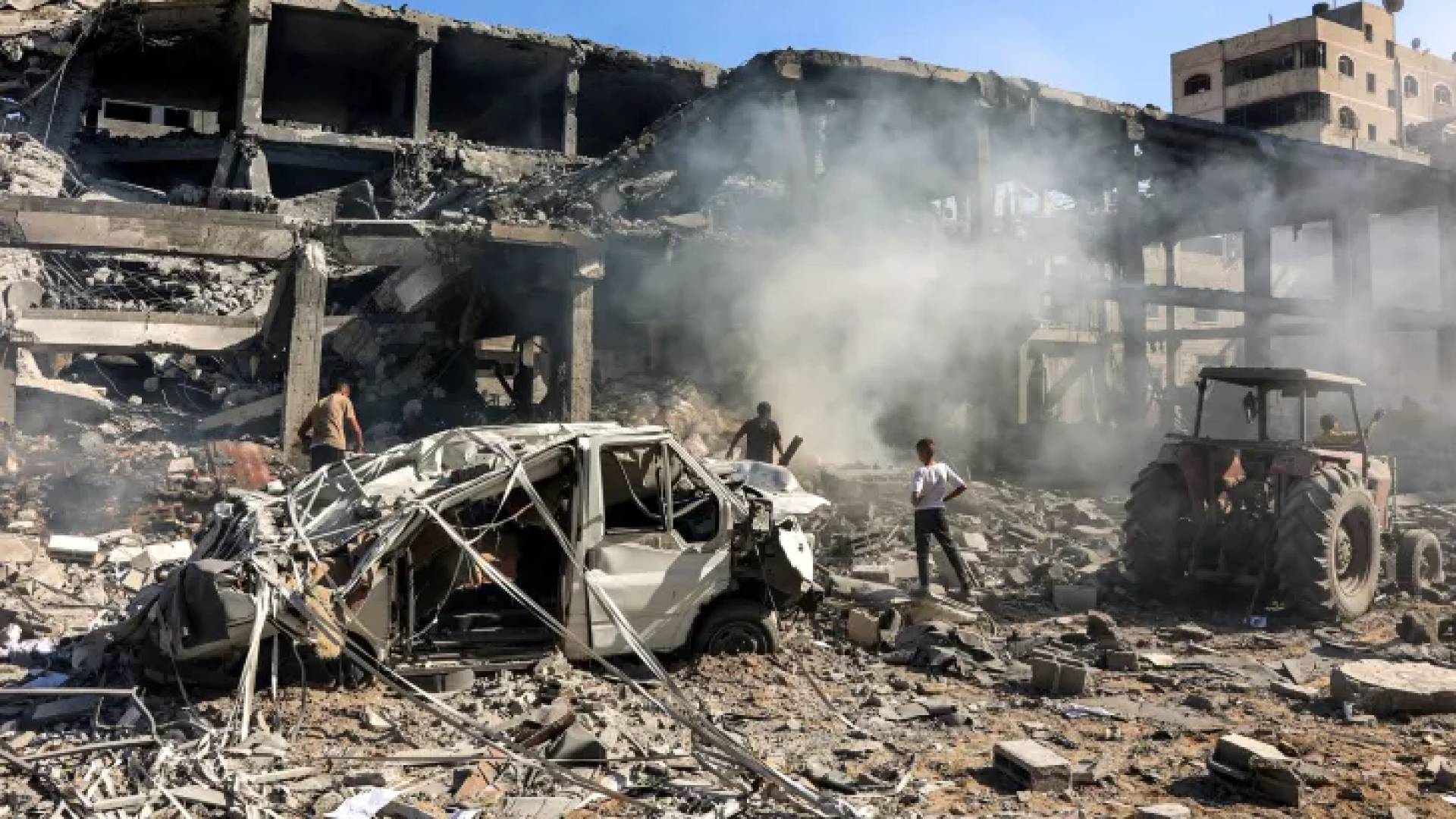
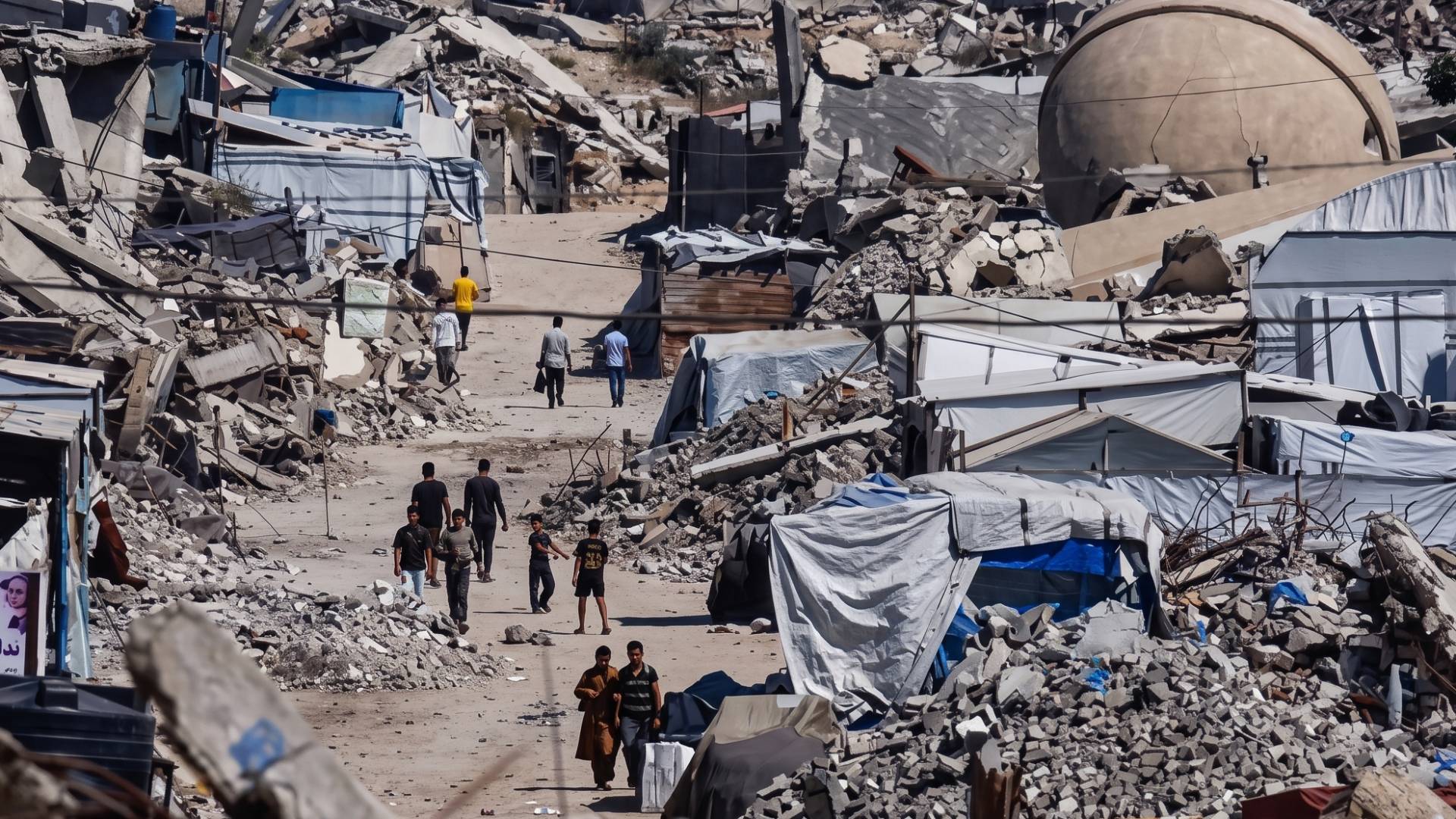
On the humanitarian level, the military expert noted that the Israeli security vision ignores the presence of more than two million Palestinians besieged in a very narrow area not exceeding 30% of Gaza's total area. Tel Aviv deals with the Strip as an abstract 'security operations area', without regard for the high population density or the basic living needs of citizens facing harsh conditions.
The analysis suggests that the current escalation, which includes intensive raids, assassinations, and expansion of areas of influence, comes as an exploitation of a critical regional moment characterized by international preoccupation with the Iranian file and tensions in the Strait of Hormuz. The Israeli government finds in this preoccupation a favorable opportunity to redraw security rules in Gaza away from international pressures that might demand a ceasefire or a comprehensive withdrawal.
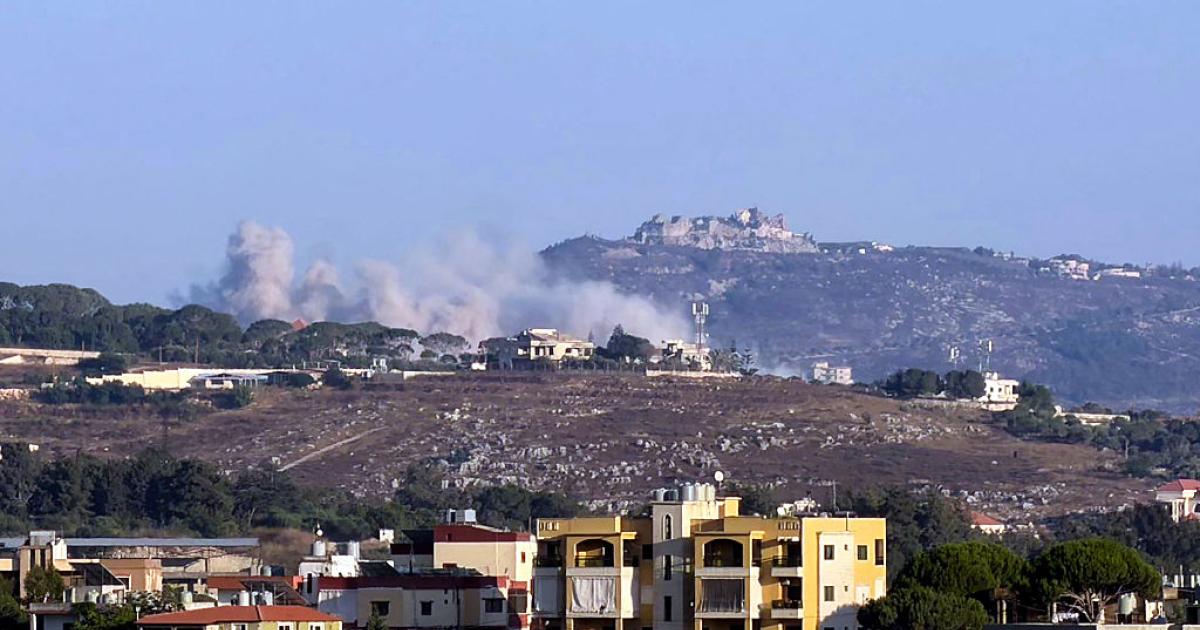
The military reading linked these field movements to the statements of Israeli Prime Minister Benjamin Netanyahu, who claimed his forces controlled about 60% of the Strip's area. Through these figures, Netanyahu seeks to export 'military gains' to the Israeli public, in an attempt to cover up security failures in confronting regional threats and increasing challenges on the northern front with Lebanon.
Regarding the negotiation track, Jouni stressed that the issue of disarming the resistance remains the main obstacle hindering any real progress, as the Hamas movement insists on linking this file to the full implementation of the first phase of the agreement. In contrast, Israel places disarmament as a prerequisite for any understandings, which keeps negotiations in a state of continuous stalemate amidst a field insistence on establishing the reality of a 'dynamic operations zone'.
Israel has shifted from the concept of gradual withdrawal to a policy of land grabbing, transforming Gaza into a security operations area, not a populated region.



Share your opinion
From Withdrawal to Land Grabbing.. How Did Israel Redraw Operational Maps in Gaza?