







The Palestinian arena has recently witnessed internal activity represented by the elections of the two central movements, Fatah and Hamas, where supporters of both parties celebrated results considered a path to renewing organizational structure. However, interpretations of these outcomes varied between those who see it as a healthy step and those who criticize its ability to bring about real change in overall political performance.
Current data indicate that the chances of a third current emerging to break the intensity of traditional polarization appear very slim, at least for the next four years. It is ingrained in the collective consciousness that the struggle between the two major poles will remain the primary driver of Palestinian political life, despite all criticisms directed at them.
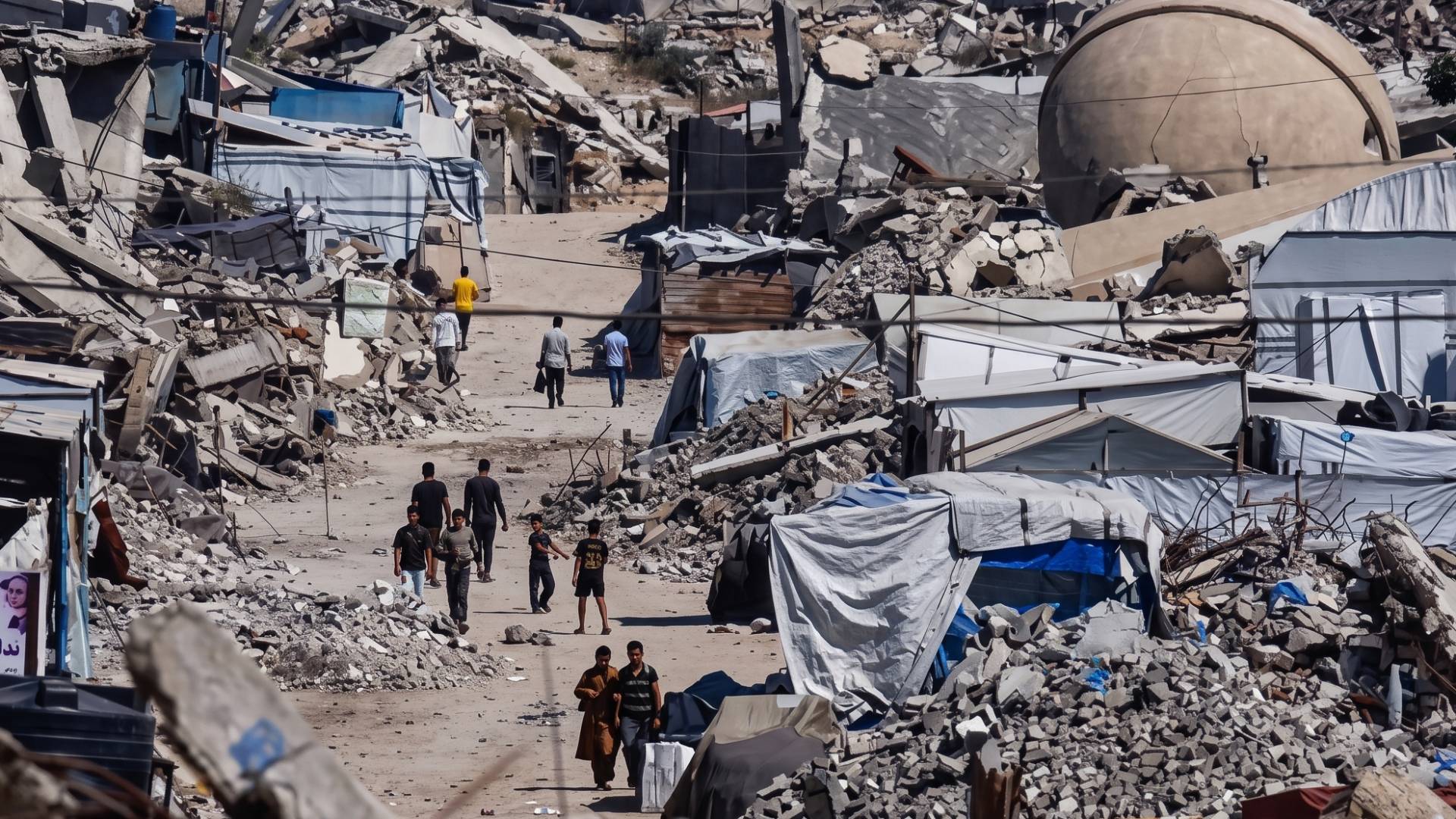
This political situation coincides with accelerating threats, most notably the emergence of separatist tendencies in the Gaza Strip, fueled by the occupation and harsh humanitarian conditions. This erosion of the unified political system opens the door to complex scenarios that threaten the unity of Palestinian national representation in international forums.
At the popular level, there is a clear public apathy towards engaging in organized political work, due to the high cost of affiliation and the rigidity of organizational structures. This reluctance has led to a decline in the factions' ability to convince the street of the usefulness of participation in the absence of tangible results on the ground.
In light of this institutional confusion, tribal structures and interest-based sectors have begun to rise as alternatives that provide protection and support to citizens. This shift reflects a state of loss of trust in official political institutions and a search for more traditional frameworks capable of meeting immediate needs.
Palestinian political movement suffers from a clear inability to formulate a comprehensive national program that responds to the complexities of the current stage and its major challenges. This programmatic vacuum paves the way for international powers to impose unilateral paths that bypass existing representative frameworks.
Indicators are increasing that the United States and Israel are seeking to test new political formations as alternatives to current Palestinian institutions. These attempts aim to create a new political reality that aligns with the security and political visions of external powers, away from national constants.
The fundamental question remains about the extent to which internal elections can bring about a qualitative transformation in political discourse and practice. So far, indicators still suggest a reproduction of the same old patterns that governed organizational work over the past years without fundamental change.
At this delicate stage, the Palestinian national project needs to restore societal trust by building a convincing representative structure. This structure must reflect forces with real popular weight, away from the narrow quota system that has exhausted the national situation.
Formulating a practical program that addresses people's daily concerns and alleviates their economic and social wounds has become an urgent necessity. The Palestinian citizen in the West Bank and Gaza needs a political vision that intersects with their livelihood needs and provides them with the means to steadfastness on their land.
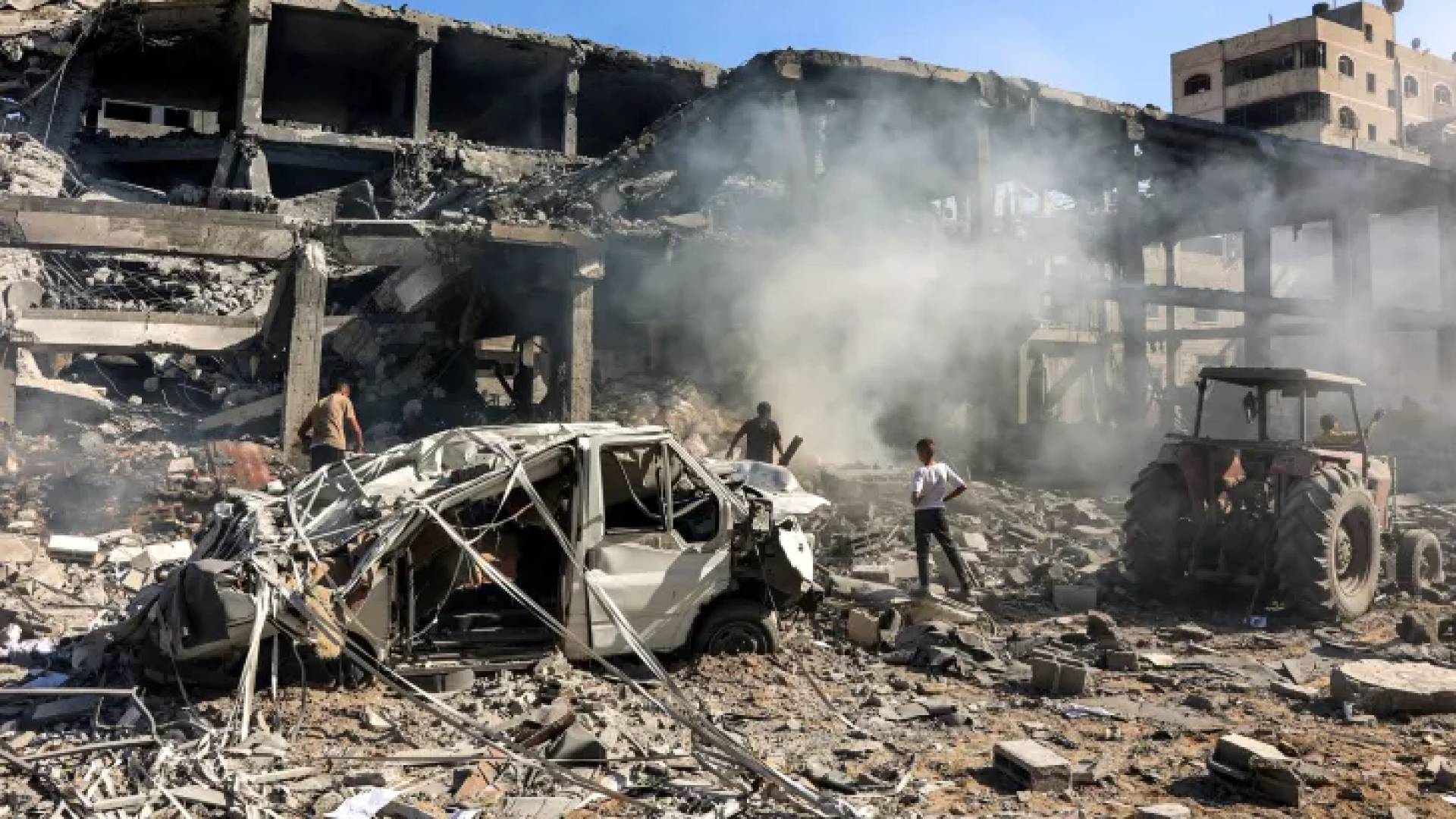
A phased political vision for the next five years must be developed, focusing primarily on stopping the war of extermination and confronting settlement encroachment. This vision must prioritize strengthening the steadfastness of Palestinians in the face of forced displacement policies.
It is essential to stop the bleeding in national consciousness by protecting the rights of the families of martyrs, prisoners, and wounded, given their moral symbolism. Any infringement on these issues weakens the internal front and negatively affects the morale of the Palestinian people in facing challenges.
The stage requires a comprehensive restructuring of Authority institutions to enhance efficiency in vital sectors such as health, education, and internal security. Selection and employment mechanisms must be based on criteria of competence and professionalism to ensure the best services are provided to citizens and the rights of employees are protected.
In conclusion, balancing active diplomatic action and popular steadfastness on the ground is the only way to confront Israeli control projects. Reality dictates that political forces reach a minimum level of joint action to overcome the prolonged state of stagnation.
Moving from a state of waiting to a state of action is not a political luxury, but a historical and national duty imposed by the complexities of the current stage.
Share your opinion
The Future of the Palestinian National Project in Light of the Elections of the Two Movements and Political Polarization