







The results of the elections for the Fatah Central Committee, the highest leadership authority in the movement, announced the victory of Yasser Abbas, the eldest son of Palestinian President Mahmoud Abbas, securing a seat on the committee for the first time. This victory came during the Eighth General Conference, which concluded its work in Ramallah, Gaza, and a number of Arab capitals, with wide participation from movement cadres.
Yasser Abbas, 64, is considered one of the figures who have emerged politically in the last five years after being appointed as a special representative for his father, despite being a businessman who manages multiple investments and resides in Canada. His entry into the Central Committee represents a significant shift in the structure of the movement's top leadership, which leads the Palestinian Authority and the Palestine Liberation Organization.
In the context of the results, the imprisoned leader Marwan Barghouti maintained his prominent position within the movement by receiving the highest number of votes in the Central Committee elections. Barghouti has been in Israeli prisons since 2002, yet his popular and organizational presence has remained overwhelming, reflecting the Fatah base's adherence to resistance symbols.
The new formation of the Central Committee saw the entry of prominent security and field figures, led by Major General Majed Faraj, director of the Palestinian General Intelligence Service. Zakaria Zubeidi, the former commander of the Al-Aqsa Martyrs' Brigades in Jenin refugee camp, who was released last year as part of a prisoner exchange deal between Israel and resistance factions, also won membership in the committee.
Regarding the old guard, pivotal figures retained their leadership positions, as the conference renewed confidence in Hussein al-Sheikh, Secretary-General of the PLO Executive Committee, and Mahmoud al-Aloul, Deputy Head of the Movement. Jibril Rajoub and Tawfiq Tirawi also remained within the top leadership structure, indicating a balance between renewal and the preservation of traditional power centers.
Sources from the conference administration reported that the electoral process witnessed a large turnout, with participation reaching approximately 94.64%. 2507 members cast their votes to elect 18 members for the Central Committee from among 59 candidates, in addition to electing 80 members for the Revolutionary Council from among 450 competitors.
The conference had commenced its work last Thursday by re-electing Mahmoud Abbas as chairman of the Fatah movement by consensus, a position he has held for more than two decades. This step comes amid previous pledges by the president to inject new blood into state institutions and the organization in response to internal and international reform demands.
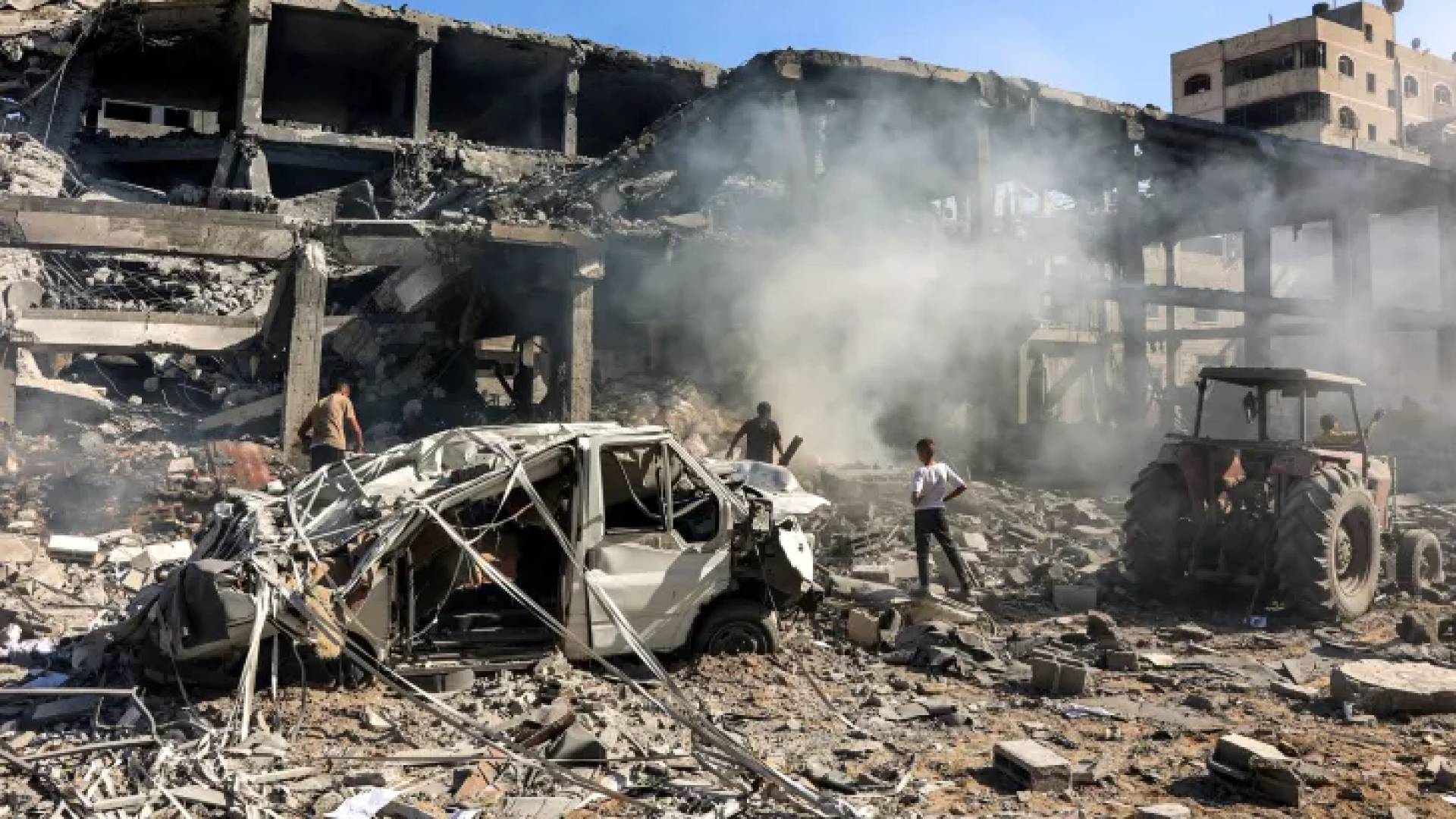
This conference is being held at a critical political juncture, as the Palestinian cause faces major security and political challenges in the West Bank and Gaza Strip. The Secretary-General of the Central Committee, Jibril Rajoub, described this meeting as the most important in the history of the national movement, given the exceptional circumstances facing the Palestinian struggle.
Through this conference, the Fatah movement seeks to put its internal house in order and strengthen its political legitimacy amidst criticisms related to the stagnation of democratic life. The Palestinian leadership hopes that these changes will enable the Authority to face the challenges of the next phase, including the issue of managing the Gaza Strip and reconstruction.
The conference is the most important in the history of the Palestinian national movement and is being held amidst the most dangerous challenges facing the struggle.
Share your opinion
Fatah Election Results: President's Son and Majed Faraj Rise, Barghouti Leads Votes