







The recent Israeli military operation in the heart of Gaza City has once again highlighted Tel Aviv's systematic assassination strategy against first-tier leaders of the Izz al-Din al-Qassam Brigades. The announcement of the targeting of leader Izz al-Din al-Haddad, known by the nickname 'Ghost of Al-Qassam,' has escalated field tensions amid questions about the accuracy of the Israeli narrative and its impact on the structure of Hamas's military wing.
In a rare joint statement, Israeli Prime Minister Benjamin Netanyahu and Defense Minister Israel Katz confirmed that the airstrike targeting a residential apartment in the Al-Rimal neighborhood was carried out under their direct instructions. The statement emphasized that the army and the 'Shin Bet' agency would continue to pursue those they described as responsible for the October 7 attacks, considering al-Haddad one of the masterminds behind those operations.
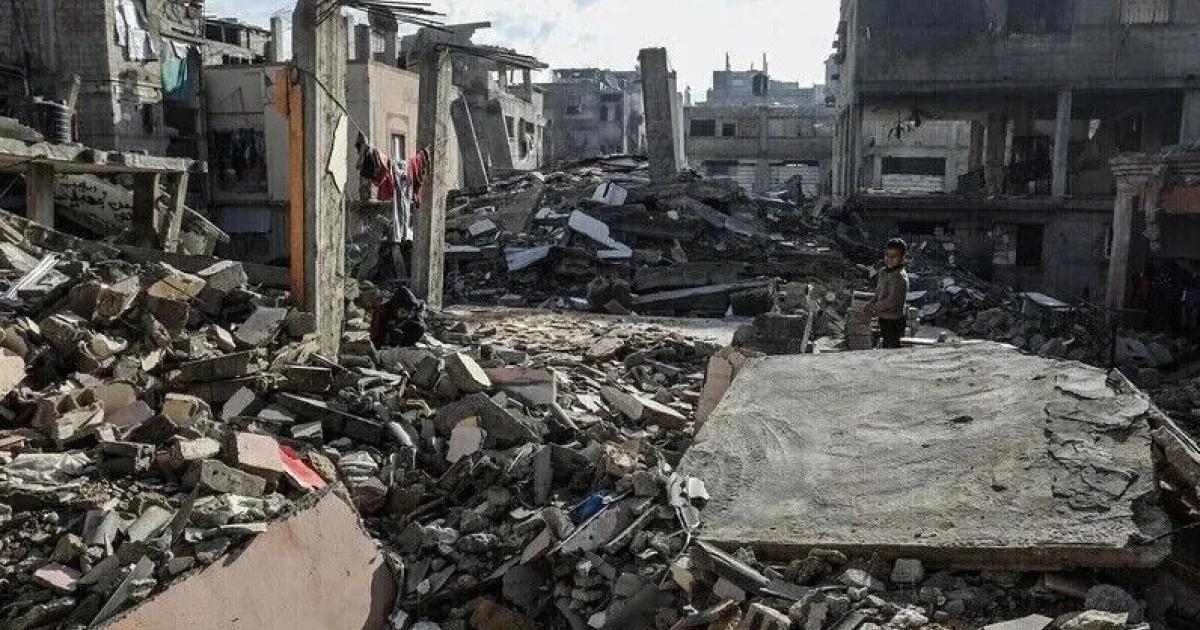
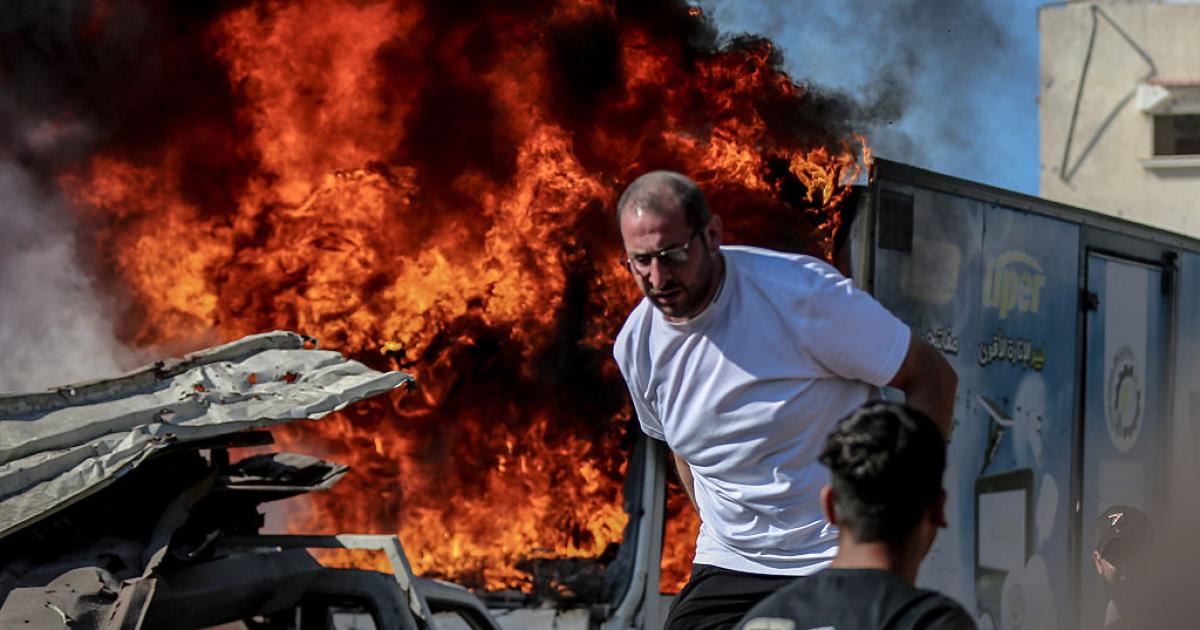
On the ground, medical sources in the Gaza Strip reported 7 martyrs, including three women and a child, in addition to more than 50 citizens injured with varying degrees of severity due to the intense shelling. The sources clarified that the targeting hit a densely populated residential area, leading to this large number of casualties among civilians and displaced persons present in the area.
Local sources revealed that the operation was carried out in two consecutive phases to ensure the achievement of the objective, starting with the bombing of a residential apartment at the intersection of Al-Jalaa Street with side streets in the Al-Rimal neighborhood. A few minutes later, drones re-targeted a civilian car attempting to leave the site towards Al-Shifa Hospital, indicating an attempt by the occupation to cut off any attempt to rescue the targeted individuals.
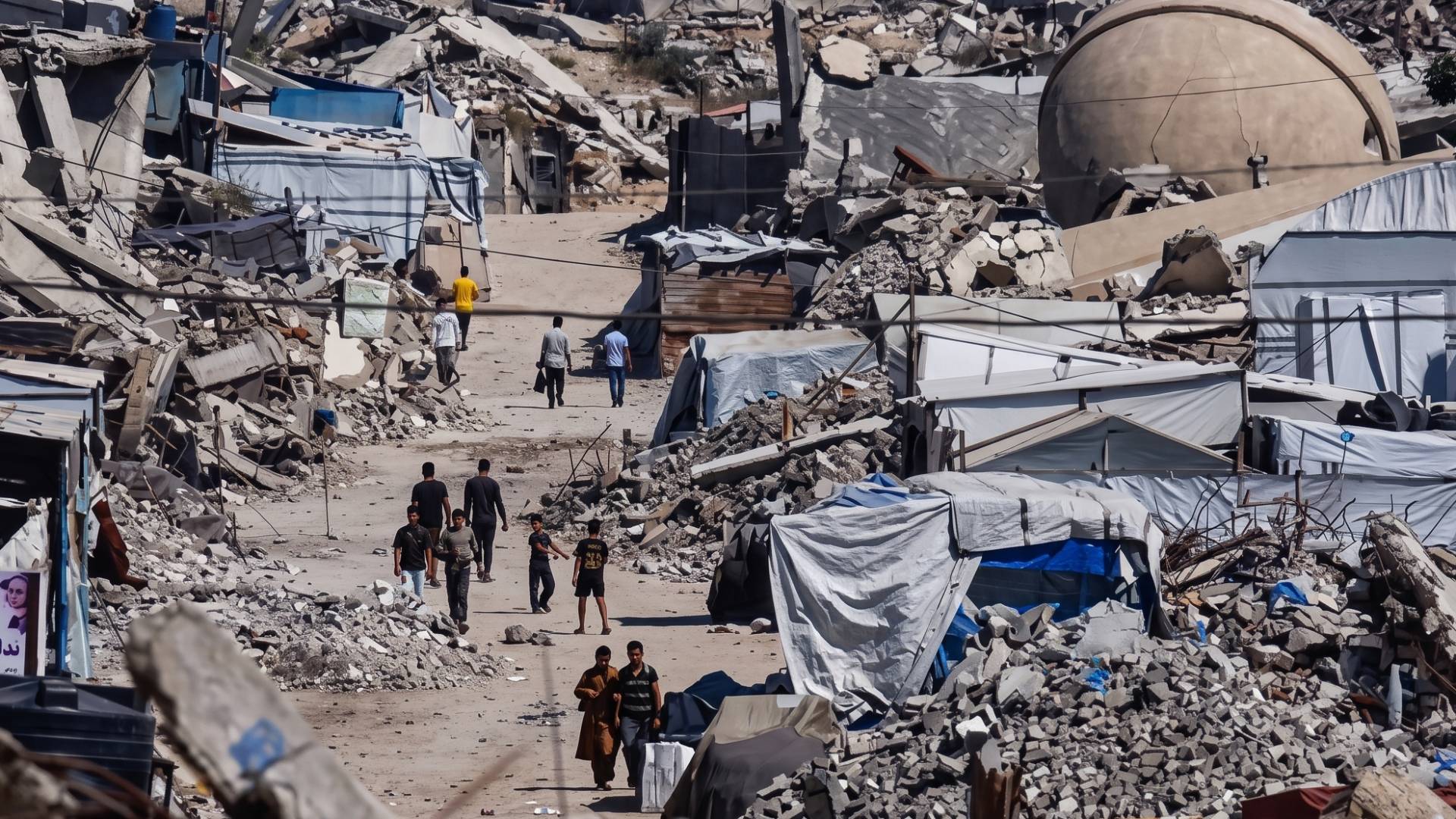
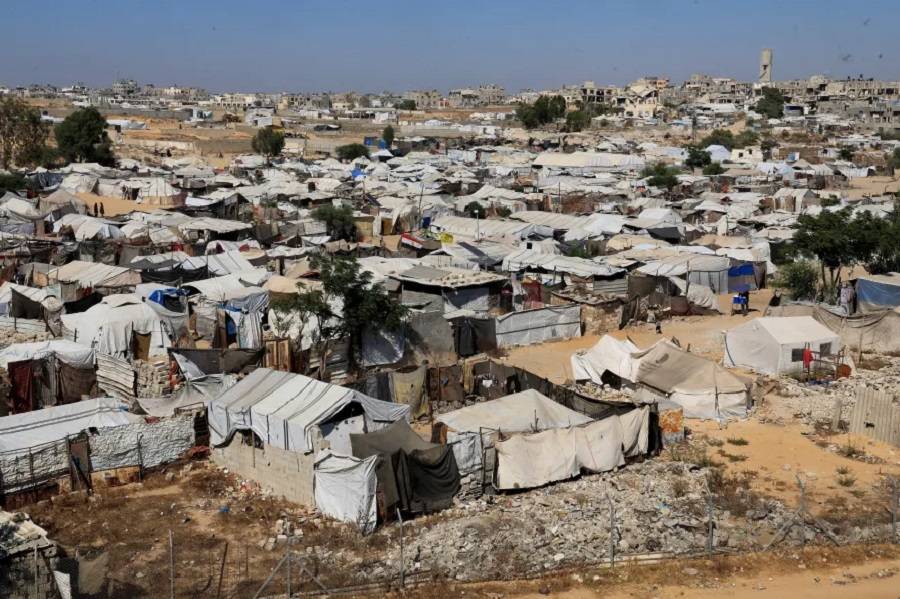
The targeted area is located in the heart of dense civilian gatherings and near the tents of displaced persons surrounding Al-Yarmouk Stadium, which has for months been transformed into a shelter center for thousands of families fleeing the shelling. This sensitive geographical location explains the extent of the destruction and panic that afflicted the residents, as well as the noticeable increase in the number of injured who were transferred to the remaining medical points.
Izz al-Din al-Haddad is known in Israeli military circles for his high ability to hide and move secretly, which earned him the nickname 'The Ghost' throughout years of pursuit. Israeli security agencies consider him one of the pivotal figures who contributed to developing the combat capabilities of the Al-Qassam Brigades and transforming them into organized military formations capable of managing long-term battles.
For his part, political analyst Iyad Al-Qarra indicated that information about al-Haddad's fate is still preliminary and unconfirmed by the resistance, recalling previous Israeli claims that proved to be false. Al-Qarra explained that al-Haddad represents a cornerstone in the military council, but his absence - if confirmed - will not lead to the collapse of the military system that relies on alternative institutional work.
Observers believe that the occupation's resort to intensifying assassination operations at this time carries political messages directed at the Israeli interior rather than decisive military achievements. Netanyahu seeks through these operations to paint a picture of 'absolute victory' that he promotes, trying to repair his eroding popularity and justify the continuation of military operations in the Strip despite international pressure.
In a related context, academic Mahmoud Yazbek considered that Israel is still unable to achieve a real field decisive victory, and therefore resorts to 'hunting valuable targets' to compensate for its failures in full control. Yazbek added that the Israeli media discourse that talks about 'Hamas rebuilding its strength' paves the way for further escalation and assassinations in the coming period.
The timing of the operation is also linked to the stalled negotiations regarding calm and prisoner exchange, as Tel Aviv tries to use the blood of leaders as leverage to improve its negotiating terms. Analysts believe that this policy may lead to counterproductive results, as it increases the resistance's insistence on its terms and pushes for more deterrent operations deep within the occupation.
Al-Haddad is one of the first generation who joined Hamas since its inception in 1987, and rose through military ranks until he became commander of the Gaza Brigade, one of the largest Al-Qassam brigades. Israel placed his name at the top of the wanted list, and offered a huge financial reward for anyone who provides information leading to his capture, especially after the assassination of leaders such as Sinwar and Deif.
The military history of the Al-Qassam Brigades indicates that they have developed flexible mechanisms for leadership transition, where tasks are distributed in a way that ensures the continuation of operations even in the event of losing first-tier leaders. This explains the continuation of rocket barrages and ambush operations despite many months of war and the assassination of a number of historical figures of the movement.
Amid the continued airstrikes, the suffering of civilians in Gaza increases, as they find themselves in the line of Israeli fire that does not differentiate between a military target and a civilian facility. Human rights reports confirm that the use of heavy bombs in residential neighborhoods such as Al-Rimal constitutes a blatant violation of international humanitarian law and amounts to war crimes.
Anticipation remains the order of the day in the Gaza Strip, awaiting an official statement from the Al-Qassam Brigades clarifying the truth of what happened in the Al-Rimal neighborhood. Between the Israeli narrative seeking to achieve a moral victory and the complex field reality, Gaza remains an arena for an open conflict whose end does not seem near given the occupation's insistence on the policy of assassinations.
The occupation attempts to politically exploit assassination operations to strengthen its internal position ahead of any potential electoral entitlements.

Share your opinion
Targeting the 'Ghost of Al-Qassam' in Gaza: Details of the Al-Rimal Neighborhood Operation and Implications of Israeli Escalation