







The Nakba of 1948 was not merely a fleeting political transformation in the history of Jerusalem; rather, it represented a geographical and demographic earthquake that overthrew the city's Arab identity. With the occupation of the western sector, Jerusalemites lost dozens of villages and neighborhoods that constituted the city's vibrant economic and social heart, imposing a bitter reality that separated families from their historical properties.
Academic Mansour Nsasra, a lecturer at Ben-Gurion University, explained that the 1949 Armistice Agreement enshrined a division he described as 'colonial.' This division confined the Palestinian presence to the eastern sector, which did not exceed 20% of Jerusalem's total area before the Nakba, turning neighborhoods like Sheikh Jarrah into a refuge for those displaced from occupied villages and cities.
The 'Mandelbaum Gate' became the most prominent symbol of the city's fragmentation, serving as the sole border crossing between the Jordanian administration and the occupation authorities. Palestinians called it the 'Gate of Tears' due to the harsh humanitarian scenes witnessed there when scattered families met between the diaspora and the interior under international supervision.
Following the occupation of the eastern sector in 1967, Israel began a new phase of systematic erasure of what was known as the Green Line. Nsasra considered the first four years after the 1967 War to be 'pivotal' in consolidating the occupation's coercive sovereignty through accelerated urban and political measures targeting the heart of the Old City.
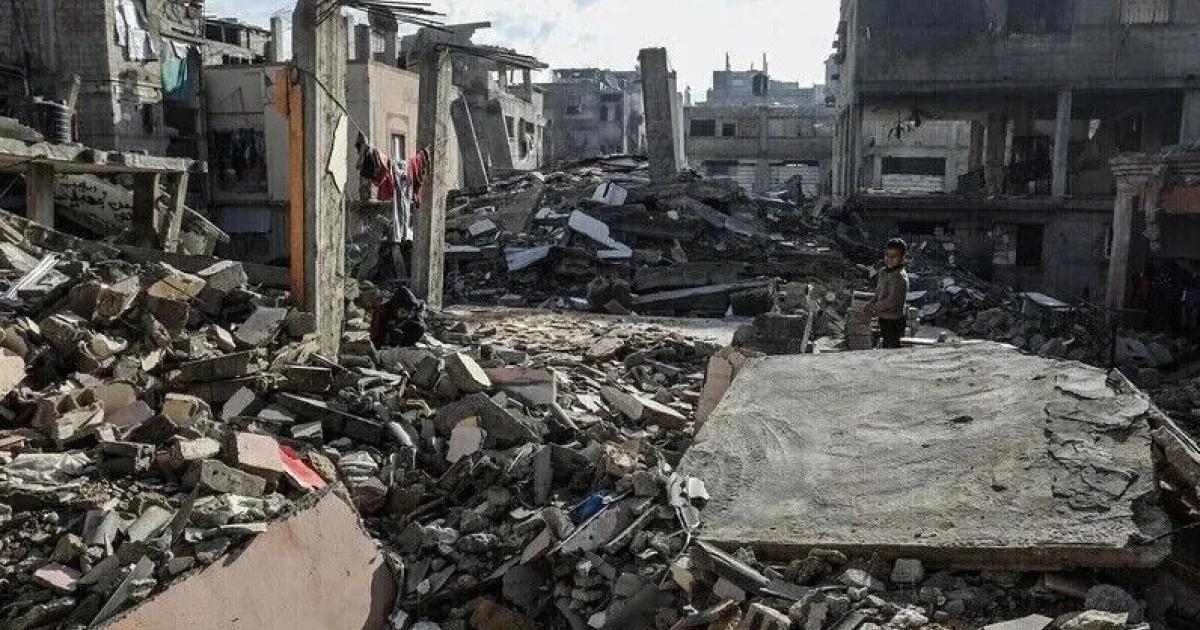
The first steps of this plan involved demolishing the dividing wall that extended from Sheikh Jarrah to Jaffa Gate, to remove any physical barrier reminiscent of the division. This coincided with 'urban genocide' operations, including the complete demolition of the Maghariba Quarter and the displacement of its residents, in addition to seizing homes in the Sharaf Quarter and converting them into the so-called 'Jewish Quarter.'
The occupation authorities later moved to a phase of 'Israelization' of public space by transferring their sovereign institutions to the heart of Arab neighborhoods in the eastern part of the city. This included moving the Israeli Police Headquarters, the Ministry of Interior, and Border Guard headquarters to the Sheikh Jarrah neighborhood, to impose a new security and political reality that is difficult to reverse.
Settlement played the most prominent role in changing the demographic balance, with the number of settlers in East Jerusalem rising from zero in 1967 to about 230,000 today. This was achieved through the construction of massive settlement blocs and the infiltration of settlement outposts into the neighborhoods of Silwan, Ras al-Amud, and Musrara to sever Palestinian geographical connectivity.
The Amana settlement organization emerged as a powerful executive arm in this conflict, moving its headquarters to the eastern sector to enhance settlement expansion. These moves aim to connect the two parts of the city urbanistically and make the idea of its future division technically and practically impossible.
The 'Light Rail' project, launched in 2011, is considered one of the most dangerous technological tools used to effectively erase the Green Line. This project connects settlements in the north and south to the western city center, bypassing historical boundaries and turning them into mere memories in the minds of Jerusalemites.
The occupation authorities did not stop at construction; they also sought to 'Judaize memory' by changing the names of historical streets and markets and erecting memorials for their army's fallen in border areas. In contrast, the authorities prevent any Palestinian attempt to commemorate martyrs or preserve landmarks that indicate the place's Arab identity.
Despite these pressures, some Palestinian institutions continue to resist erasure policies, such as the Abdullah bin Al-Hussein School and some historical homes in Sheikh Jarrah. However, these landmarks face continuous threats, especially after the decision to ban UNRWA at the end of 2024, and attempts to seize its headquarters.
Nsasra pointed out that Israeli policy focused on annexing land while seeking to reduce the Palestinian human presence to its lowest levels. The occupation authorities use planning and building laws and identity card revocation as complementary tools to the military and settlement operations taking place on the ground.
The collective memory of Jerusalemites remains the last bastion against attempts at erasure, as residents refuse to forget their properties and homes in West Jerusalem. Despite all the 'colonial' tools used, the dividing line remains present in Palestinian consciousness as a testament to rights that do not expire by statute of limitations.
In conclusion, the report confirms that what is happening in Jerusalem is a struggle over narrative and place, where Israel is trying to impose the reality of a 'united city' with an iron fist. Nevertheless, international resolutions still consider all these changes illegal and an obstacle to any just and comprehensive political settlement in the region.
The division of Jerusalem in 1949 was a colonial division that imposed a new reality and paved the way for policies aimed at erasing the city's Palestinian identity.
Share your opinion
Jerusalem Expert Reviews Occupation Plans to Erase the 'Green Line' in Occupied Jerusalem