







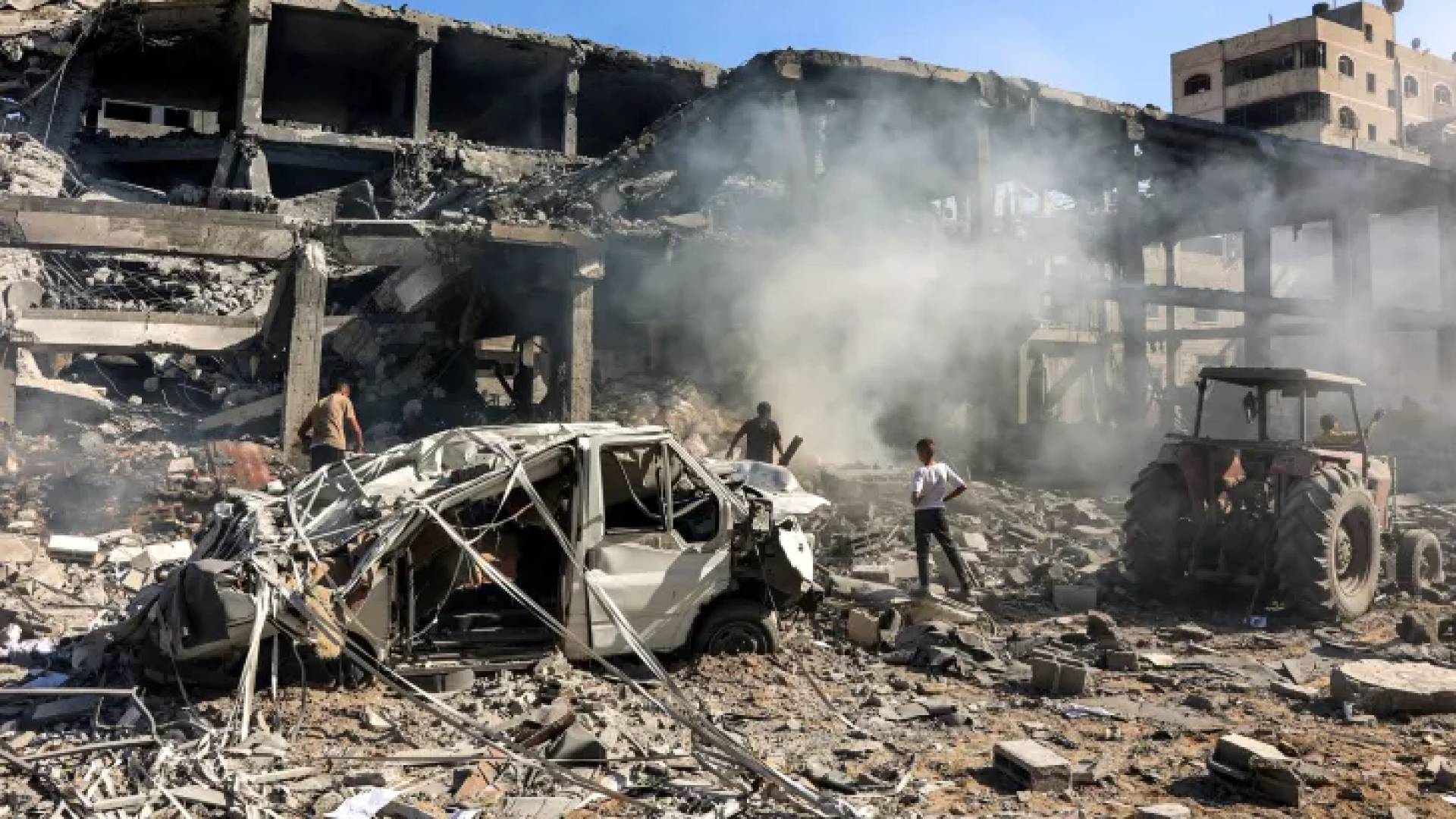
The scenes coming from the border town of Houla in the Marjayoun district bring back bloody chapters that have not left the memory of South Lebanon for decades. The systematic destruction witnessed in the town today seems to be a continuation of a series that began in 1948, when Zionist gangs committed a horrific massacre against its residents and land.
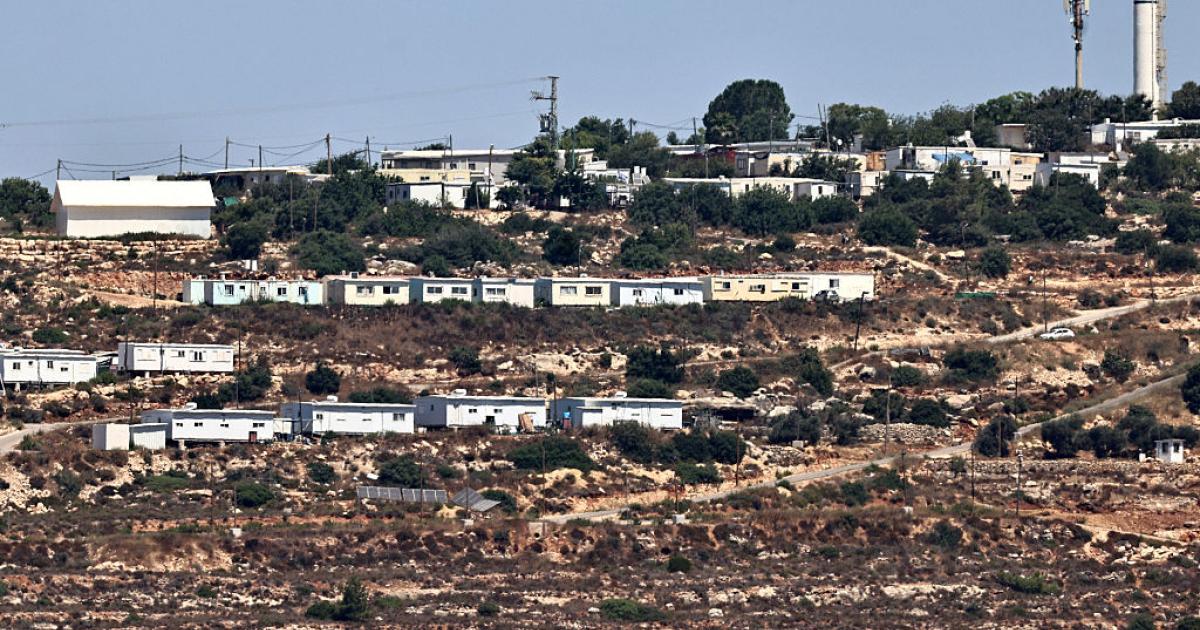
Houla is located in a sensitive strategic position within what is known as the 'Galilee Finger,' south of the Litani River and adjacent to the occupied Palestinian border. Its area is about 16 square kilometers, and it is bordered by the villages of Markaba, Tallousa, and Mays al-Jabal, which has always placed it on the front line against Israeli ambitions.
The roots of the tragedy date back to May 1948, when Zionist gangs infiltrated and killed three men from the town, prompting the Arab Liberation Army to intervene and establish a presence there. However, the withdrawal of Arab forces in October of the same year opened the door to a humanitarian catastrophe that years have not erased.
On October 31, 1948, the attackers used deception to enter the town, wearing kuffiyehs and agals to make the residents believe they were from the Arab Liberation Army. The residents welcomed them, thinking they were alternative Arab forces, but the attackers soon revealed their identity and began a widespread arrest campaign that included 85 people.
The arrested young and elderly men were taken to three houses in the town, where they were executed in cold blood while unarmed and with their hands raised. The occupation did not stop at killing; it also blew up the houses over the bodies of the victims, in a brutal scene that embodies the policy of extermination adopted by the Zionist gangs at the time.
Accounts vary regarding the final number of martyrs, but local estimates indicate that between 70 and 80 martyrs fell in that massacre. The town commemorated their memory with a memorial bearing the names of about 100 martyrs, including women and children who died in various attacks targeting the village.
Historical documents highlighted the name of Shmuel Lahis, a company commander in the Carmeli Brigade, as directly responsible for this crime. Although he was the only soldier tried for killing Arabs during the Nakba, the Israeli judiciary reduced his sentence to one year, then released him with a swift pardon.
The stark irony in Lahis's story was his subsequent career path, where he was appointed Director-General of the Jewish Agency. This honoring of a war criminal reflects the Israeli approach of reintegrating killers into high positions, instead of holding them accountable for documented crimes against Lebanese and Palestinian civilians.
Houla suffered from direct occupation that lasted from 1978 until liberation in 2000, a period that witnessed intense repressive practices. The systematic killing, arrest, and displacement forced the majority of the town's youth into forced displacement, seeking lost safety under the weight of Israeli military control.
In the recent aggression that began in October 2024, Israel returned to using more lethal means to destroy what remained of life in Houla. International human rights sources documented widespread destruction affecting thousands of residential and agricultural facilities in the border villages, in a clear attempt to turn them into uninhabitable areas.
Field sources reported that the occupation army is currently destroying entire neighborhoods in the town, which brings back memories of the first displacement in 1948. At that time, the people of Houla took refuge in the Dbayeh area east of Beirut and lived in tin shacks, before returning after the armistice agreement in March 1949.
Houla's history is a record full of steadfastness and pain, as the occupation repeatedly demolished its homes, and each time the residents rebuilt. Today, the town's residents find themselves displaced once again in displacement centers, awaiting the moment of return to their land, which has never stopped offering martyrs.
The massacre, which occurred one day after the 'Salha' massacre in the seven villages, remained etched in the collective memory of the people of the South. Names like Zainab Younes, Amna Hammoud, and the child Yahya Qassem remain living testimonies to the brutality of the crimes committed by the 'Haganah' gangs led by Menachem Begin.
What is happening today in Houla is not just a fleeting military confrontation, but a new chapter in the struggle for existence on the Lebanese-Palestinian border. Israel is trying, through its 'scorched earth' policy, to erase the geographical memory of the village, but history proves that Houla always rises from the ashes.
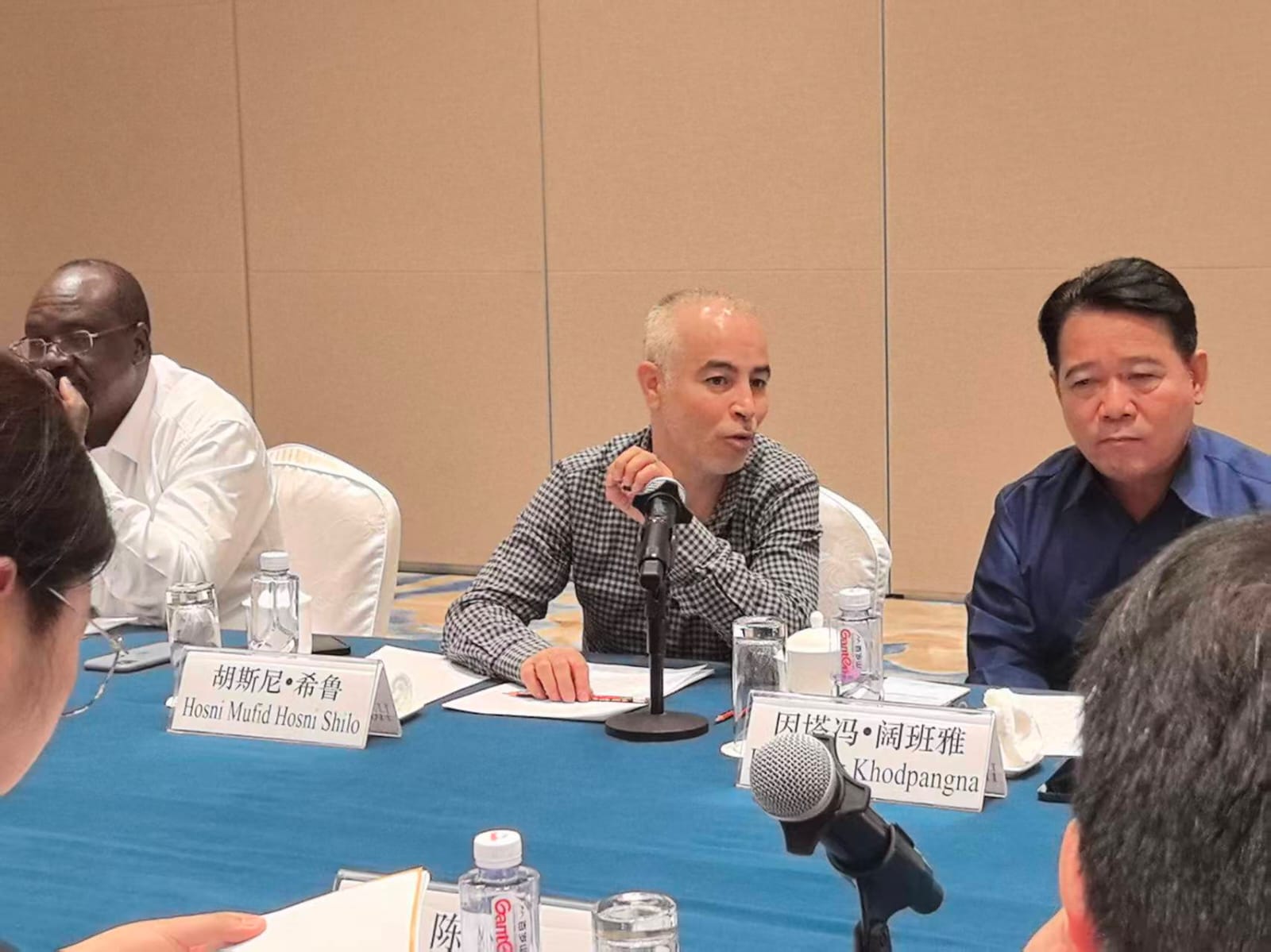
The criminal Shmuel Lahis, responsible for the execution of dozens in Houla, was later rewarded with his appointment as Director-General of the Jewish Agency after a sham one-year prison sentence.
Share your opinion
Houla, Lebanon: A Memory of Massacres Extending from the 1948 Nakba to the Current Aggression