







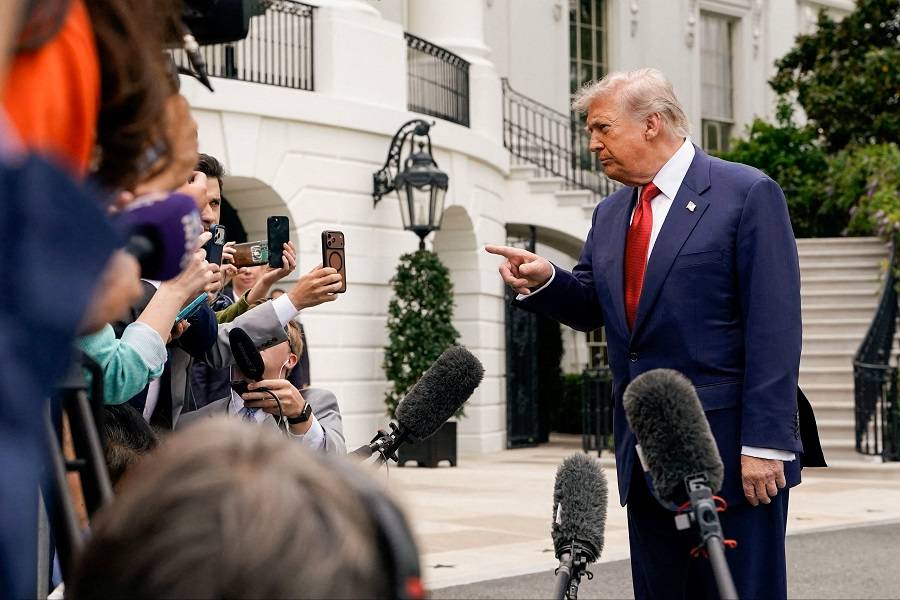
US Vice President J.D. Vance announced positive indicators in the ongoing negotiations with Iran aimed at ending hostilities between the two parties. Vance stated in press remarks from inside the White House that the administration perceives tangible progress, even though President Donald Trump had rejected the latest proposal from Tehran, describing it as unacceptable.
Specialized agencies in Washington are currently evaluating the results of these talks to ensure their compliance with the strict standards set by President Trump. The Vice President affirmed that the strategic goal remains constant: preventing Iran from acquiring any military nuclear capabilities, while ensuring sufficient international guarantees to prevent Tehran from developing its programs in the future.
In the context of parallel diplomatic moves, US Secretary of State Marco Rubio called on Beijing to exert greater pressure on the Iranian side. Rubio indicated in a media interview that Washington looks forward to a more effective Chinese role, especially regarding Iran's concerning activities in the Arabian Gulf region, to contribute to regional de-escalation.
On the legislative front, the US Senate witnessed a heated political confrontation that ended with the rejection of a resolution calling for the withdrawal of US forces involved in the conflict with Iran. The vote result was very close, with 50 votes against versus 49 votes in favor, reflecting the deep division within Congress regarding the President's military powers.
Most Republicans lined up behind President Trump to ensure that his military movements in the region were not restricted, considering that any retreat could weaken the US negotiating position. In contrast, Democrats led a legislative movement aimed at restoring Congress's authority to declare wars, based on clear constitutional texts regulating the relationship between the executive and legislative branches.
Notably, Republican Senator Lisa Murkowski joined the ranks of the Democrats in the voting session, in a first-of-its-kind move since the outbreak of the conflict. Murkowski justified her position by the lack of sufficient clarity from the US administration regarding the final military objectives and the field situation of forces deployed in conflict areas.
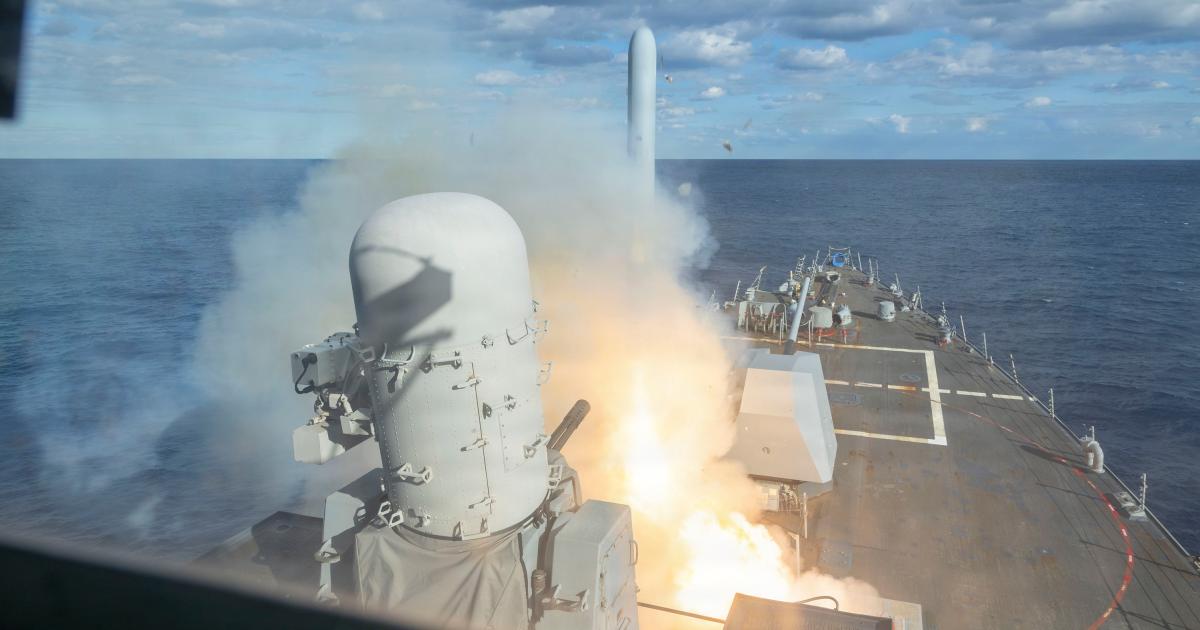
The constitutional point of contention revolves around the War Powers Act, which requires the President to obtain parliamentary authorization within two months of the start of any military operation. Opponents of the White House's policy believe that the continued deployment of forces and the imposition of a naval blockade on Iranian ports require explicit approval from legislators, which the current administration avoids.
For his part, President Donald Trump adopts a different view, stating that the armed conflict has effectively ended with the continuation of the ceasefire that began early this May. The White House uses this legal description to justify not needing to request new authorization from Congress, considering that the current military presence falls under the category of maintaining stability.
However, Democrats reject this interpretation entirely, pointing out that military operations are still ongoing as long as the economic and military blockade continues. Leaders of the opposition party emphasize that exceeding Congress's powers represents a dangerous precedent that threatens the constitutional balance upon which the United States has been built for decades.
These developments come at a sensitive time when the region is awaiting the results of diplomatic efforts, as many international parties seek to avoid a return to full-scale confrontation. The question remains about the US administration's ability to balance continued military pressure with opening new avenues for negotiation that could lead to a sustainable agreement with Tehran.
The US administration sees signs of progress in the talks, but it is still evaluating whether this progress is sufficient to reach the red line set by Trump.

Share your opinion
Senate confirms Trump's military powers, Vance speaks of progress in Iran file