







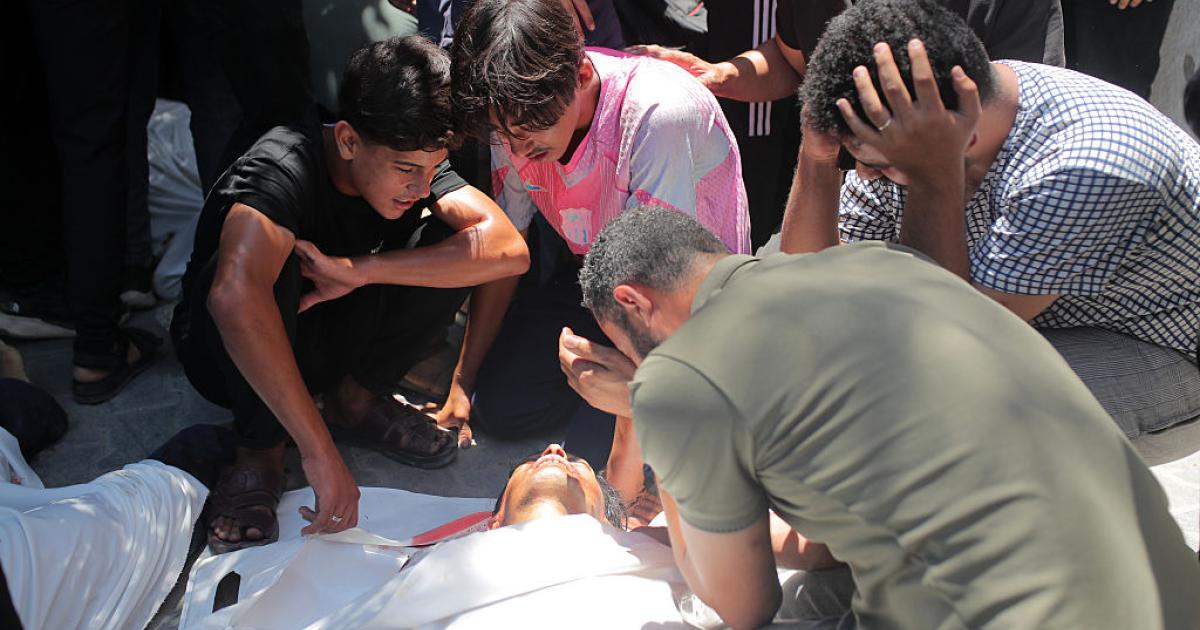
The ongoing Israeli war on the Gaza Strip has extinguished the light of sight for thousands of victims, among them the child Al-Baraa, who now lives in complete darkness due to the continuous shelling. Al-Baraa is no longer able to move except with the help of his mother, as his open eyes conceal a bitter reality of darkness that suddenly entered his life, transforming him from a child who saw the light into a new victim of the war machine.
Al-Baraa's mother describes her suffering with words that fail to convey the pain, as she strives to teach her child how to deal with a world he no longer sees, on a journey where every step seems heavier than the last. Although medical diagnosis confirmed that the child suffered complete retinal damage, his family still clings to the hope of obtaining a treatment opportunity abroad to save what can be saved.
Sources reported that vision loss in the Gaza Strip takes on tragic dimensions that go beyond physical injury, as those affected face a collapsed medical reality and a severe shortage of surgical capabilities. The chances of restoring sight diminish day by day due to the deliberate delay in allowing patients to leave the Strip, in addition to the lack of necessary medications to deal with complex cases.
Medical reports documented the suffering of health cadres working in very harsh conditions, as hospitals lack basic surgical tools and essential medical consumables. Field doctors confirmed that obtaining the simplest supplies such as surgical sutures and lenses has become an arduous task, which limits the ability of medical teams to save hundreds of injured people.
In a related context, data from the Palestinian Red Crescent Society indicates a severe crisis in medical evacuation, as only 700 patients have been able to leave the Strip since early last February. In contrast, more than 18,000 injured and sick people are still waiting for their turn on evacuation lists, amidst strict Israeli restrictions that prevent them from accessing appropriate healthcare.
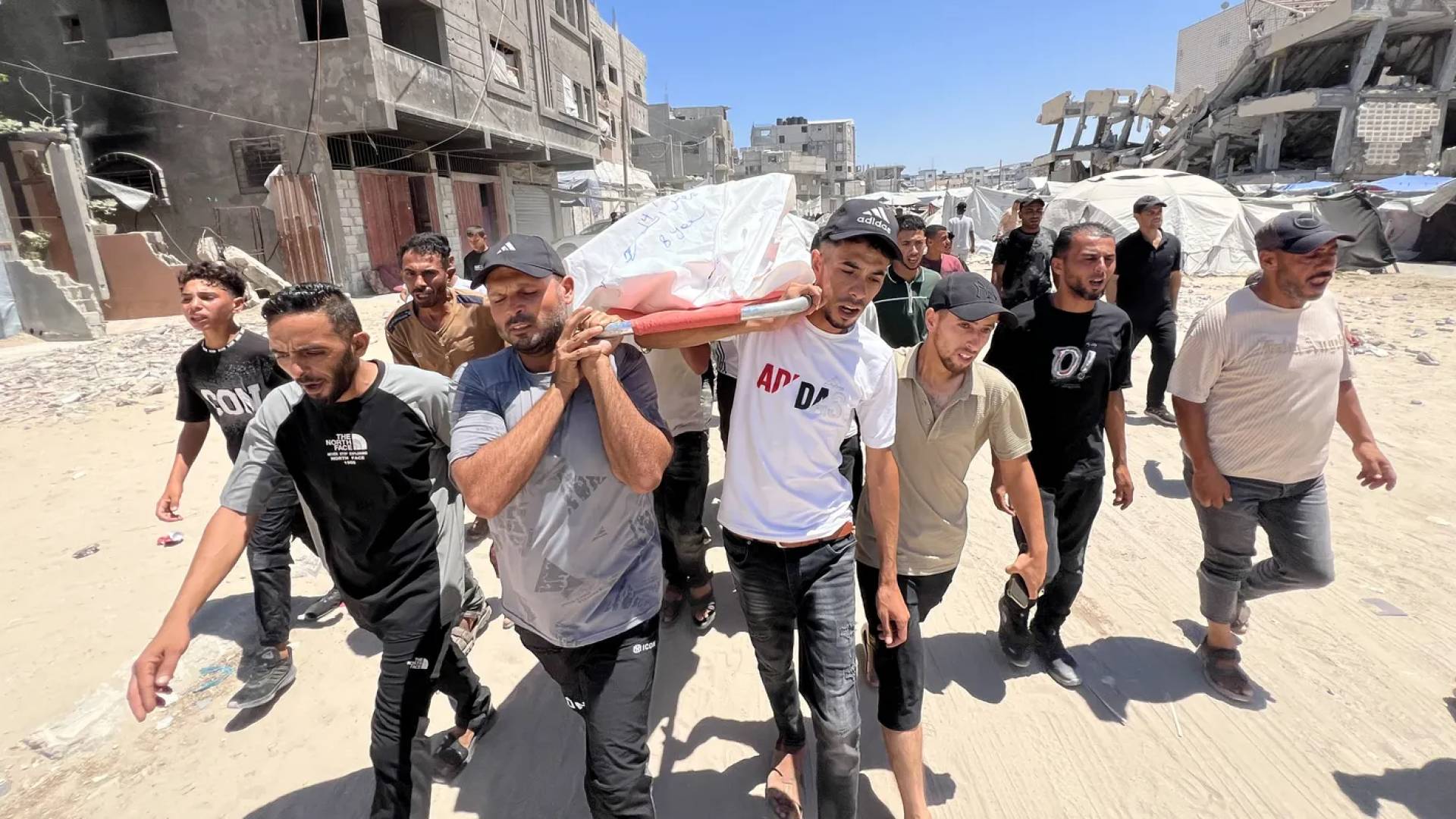
Despite the ceasefire agreement coming into effect last October, the occupation continues to impose a suffocating siege that prevents the entry of agreed-upon quantities of medicines and shelter supplies. This ongoing siege has led to hundreds of additional martyrs and injured, most of whom are women and children who pay the highest price for these policies.
Cases of vision loss represent a radical and harsh transformation in the lives of those affected, especially in an environment that lacks the minimum requirements for social integration or psychological and technical support for the blind. Those affected find themselves in a bitter struggle with a reality imposed by war, where treatment options remain dependent on a long wait and rare, almost negligible travel opportunities.
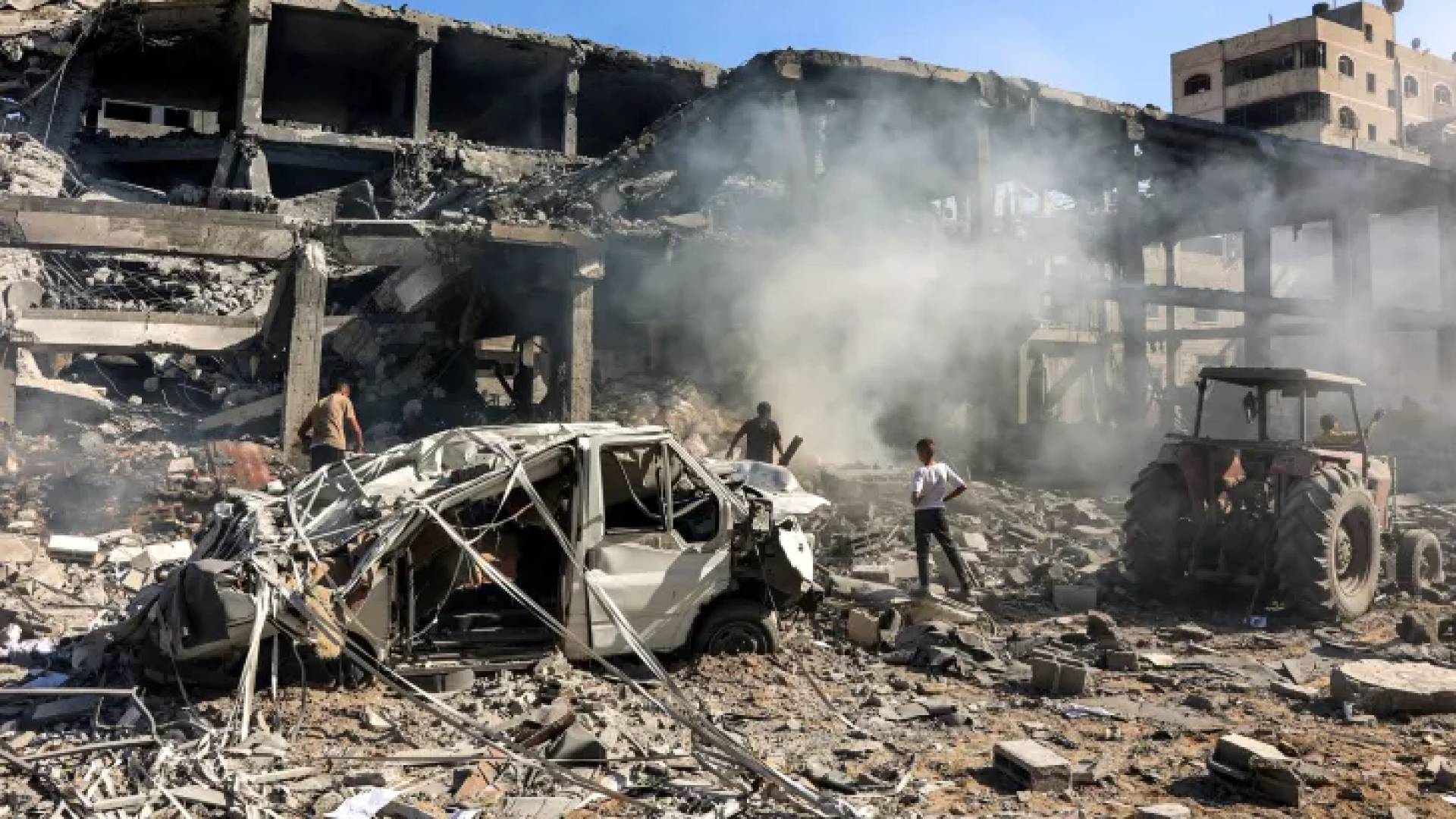
It is worth noting that the genocidal war launched by Israel on Gaza has left enormous destruction affecting 90% of the civilian infrastructure, and resulted in the martyrdom and injury of hundreds of thousands. Approximately 2.4 million Palestinians currently live in catastrophic conditions, as displaced persons face a severe shortage of food and medicine, which portends an exacerbation of health and humanitarian crises in the besieged Strip.
Vision loss in Gaza is doubly cruel under the weight of an exceptional reality, where treatment obstacles intertwine with a scarcity of capabilities and the complexity of travel.
Share your opinion
Children of Gaza in the Darkness of the Siege: Blindness Haunts Thousands Amidst the Paralysis of the Medical System