







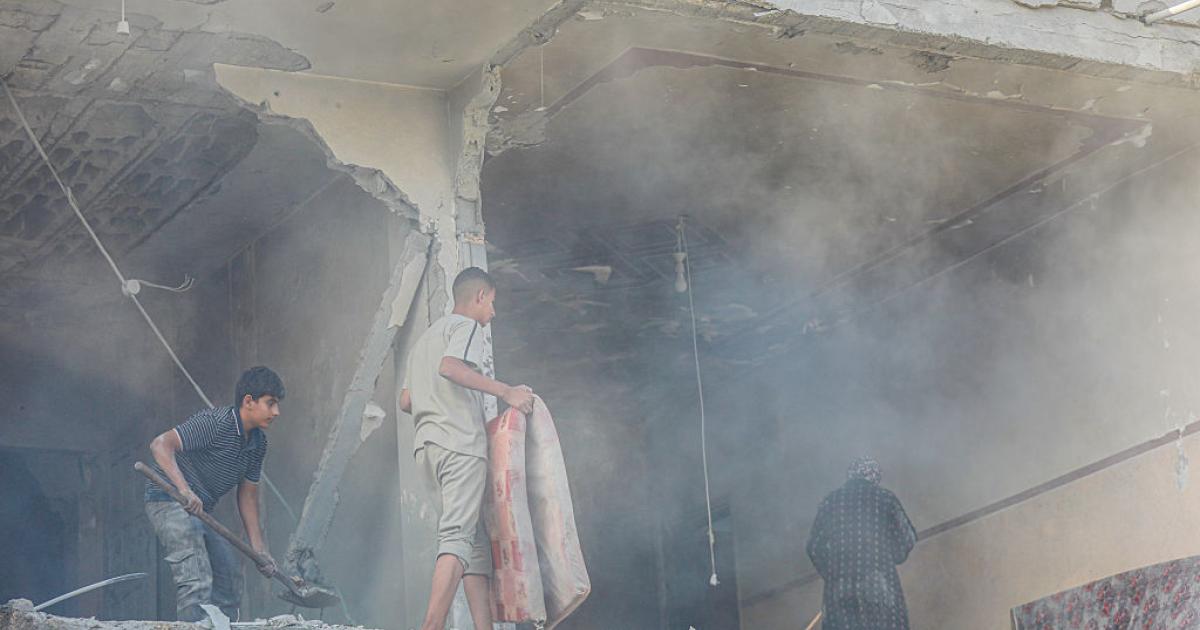
In the Sheikh Radwan area of Gaza City, the elderly Palestinian Khalil Salem, known as 'Abu Akram', sits on a modest chair amidst the rubble of his home, destroyed by bombing. The 85-year-old man bears a long history of catastrophes on his face, but the recent war was the harshest on his heart and exhausted body.
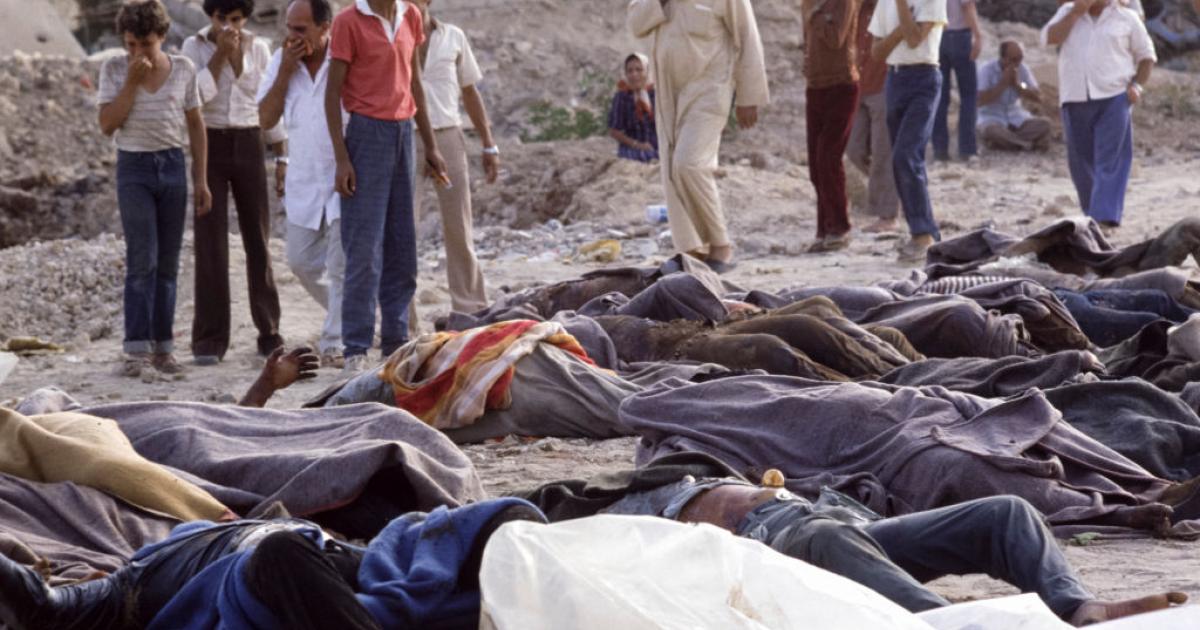
The night of December 11, 2023, was not just an ordinary night; it was the turning point when an entire family was extinguished. The Israeli occupation army targeted the residential block where the Salem family lived, leading to the destruction of four homes and the martyrdom of about 80 members of the extended family.
Abu Akram lost his wife and three of his four sons in that massacre, in addition to two of his sons' wives and several of his grandchildren. The elderly man miraculously survived from under the rubble, but he emerged with a body burdened by injuries, having sustained head and neck wounds that required 36 medical stitches, the effects of which still pain him.
Today, the octogenarian Haj finds himself alone facing a grave responsibility, as he is now supporting 21 grandchildren who became orphans overnight. Abu Akram moves with difficulty, relying on his cane, to monitor the needs of the little ones and secure their livelihood amidst very harsh living conditions.
Next to his small temporary room, Abu Akram placed a picture of his martyred son, Mohammed, to be his constant companion in his days burdened with worries. The elderly man performs his daily rituals in front of the picture, cooking for the children and talking to them about their fathers, trying to keep the thread of memory from breaking.
Abu Akram says that the bombing not only stole lives but also stole possessions, photos, and memories that he wished to pass on to his grandchildren. Therefore, he chose to stay by the rubble, considering that the smell of the place is the last thing that proves his family was once here.
The grandchildren's daily routine begins by gathering around their grandfather, who distributes his tender glances among them, trying to fill the emotional void left by the absence of their parents. The ages of these children vary, but the common denominator among them is the look of brokenness that the grandfather tries to mend with his patient words.
In the evening, Abu Akram's gathering turns into a school of memory, where he tells the little ones about their fathers' lives, their morals, and the details of their lives before the war. The elderly man insists that these children grow up knowing their origins and rights, protecting them from the 'second loss,' which is forgetting their legacy.
Among the grandchildren, tragic stories emerge of children who witnessed their fathers' deaths before their eyes, such as Mohammed, Uday, and Mahmoud, who lost their father during their displacement. The grandfather describes these children as 'small witnesses' to the horror of what happened, as their experiences exceed the capacity of adults to endure.
Three-year-old Uday holds a special place in his grandfather's heart, as the little one lost both his parents in the war. Abu Akram gazes at the face of his orphaned grandson and cries silently, feeling the inadequacy of words to compensate for the mother's embrace that the child lost at an early age.
The Salem family encapsulates the suffering of the Palestinian people in all its forms; it includes martyrs, wounded, and prisoners simultaneously. His only remaining son, Abdullah, went through a bitter experience of captivity in occupation prisons, and his grandson Youssef was also imprisoned for two years before being recently released.
Despite all these pains, Abu Akram refuses to leave the Sheikh Radwan neighborhood or move away from the rubble of his burnt home. He sees his presence as a humanitarian and moral stance towards the deceased, as leaving the place means for him abandoning the last material ties with his family that was annihilated.
The elderly man currently suffers from neck problems that affect his balance and movement, but he insists on getting up daily to secure firewood and light a fire for cooking. His body, burdened by years and injuries, still resists for the sake of 21 children who await safety and food from him.
Khalil Salem's story remains a testament to the Palestinian will to survive, where human weakness transforms into immense strength to protect the next generation. It is the story of a man who decided to be the bridge over which his grandchildren cross from the rubble of death to the hope of life, despite the heavy burden and the body's frailty.
My children are the apple of my eye, and their children are all that remains of their scent. I try to see the faces of my children in my grandchildren and preserve their fathers' memory for them.
Share your opinion
An octogenarian from Gaza faces the pain of loss by supporting 21 orphaned grandchildren on the rubble of his home