







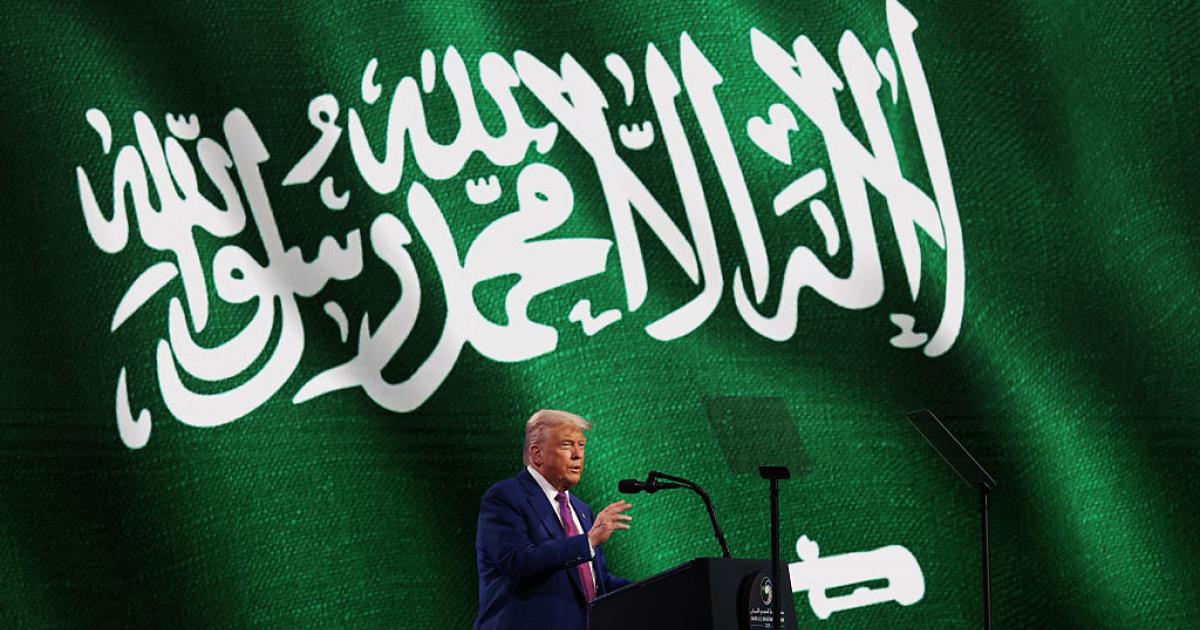
US President Donald Trump escalated his warning tone towards Tehran, threatening to use advanced 'space force' technologies to pursue what he described as Iranian 'nuclear dust'. Trump clarified that Washington is closely monitoring 60% enriched uranium, emphasizing that any Iranian approach to the brink of military manufacturing would be met with a direct military strike targeting underground facilities.
In a scientific interpretation of these threats, nuclear security and radiation safety expert Dr. Abdul Wali Al-Ajlouni stated that the term 'nuclear dust' used by Trump often refers to enriched uranium found in solid or gaseous states. Al-Ajlouni affirmed that fears of a major radiation disaster if these sites are bombed are exaggerated and not based on accurate physical facts.
Technical sources explained that the space surveillance mentioned by the US President is not new, as Washington has had the capability to monitor surface activities for many years. However, experts pointed out that satellites are unable to directly detect enriched uranium stored deep underground, due to the nature of the radiation emitted from it, which does not penetrate dense rock layers.
According to technical analyses, enriched uranium emits 'alpha' particles which have a very short range of travel in the air, making their detection impossible from outer space. Accurate detection operations rely exclusively on ground sensors placed at very close points, such as border crossings or within the facilities themselves, which weakens the hypothesis of space monitoring of the material itself.
Regarding the potential repercussions of any military attack, Dr. Al-Ajlouni explained that bombing uranium storage facilities would inevitably destroy the material, but it would not cause a nuclear explosion as is rumored in non-specialized circles. He added that enriched uranium has low radioactivity, which limits the risk of its spread in the atmosphere and does not pose a widespread regional threat.
Experts drew attention to the fact that the real danger inherent in these materials is primarily chemical, not radiological, as the toxicity of uranium as a heavy metal outweighs its radiological risks upon decay. Informed sources considered that a large part of the current American statements falls within the scope of psychological warfare and raising the ceiling of political pressure on the Iranian regime to deter it from continuing enrichment.
Reports concluded that the lack of scientific awareness of the nature of nuclear materials contributes to exaggerating public anxiety about military threats, while facts indicate that the fear stems from the ambiguity of the terms used. The region remains hostage to political tensions between Washington and Tehran, at a time when international agencies continue to monitor enrichment levels that have reached critical levels.
If they approach a nuclear weapon, we will strike it, and the United States is closely monitoring all movements related to this program.

Share your opinion
Trump Threatens to Strike Iranian 'Nuclear Dust': Space Threats and Warnings of Bombing Repercussions