






The United States, in coordination with the Kingdom of Bahrain and on behalf of the Gulf Cooperation Council states, circulated a new draft resolution aimed at ensuring the security of international navigation in the Strait of Hormuz. This step comes within the framework of intensive diplomatic efforts within the United Nations to reduce escalating maritime tensions in this vital region for global energy supplies.
The drafters of the project deliberately omitted any explicit reference to Chapter VII of the United United Nations Charter, in a strategic attempt to overcome the expected veto by Russia and China. This amendment aims to gain broader support within the Security Council and ensure the resolution's passage without clashing with the major reservations expressed by major international powers regarding the use of military force.
The sponsors of the project set Friday morning as the deadline for submitting proposed amendments to the text, but diplomatic sources confirmed that Moscow and Beijing had not submitted any technical observations. This stance indicates the two countries' rejection of the resolution's content wholesale, and not merely specific linguistic formulations, which portends an anticipated diplomatic battle when it is put to a vote.
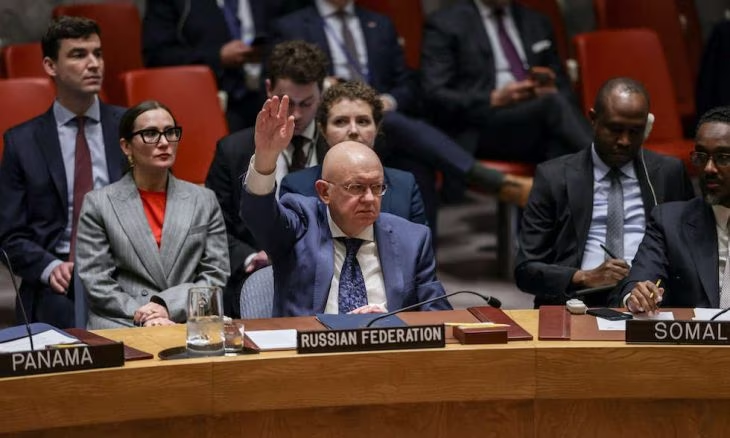
For its part, the Russian mission to the United Nations expressed its strong objection to the language of the project, describing it as an attempt to legitimize new military conflicts in the region. Moscow believes that the draft includes demands directed exclusively at the Iranian side, while ignoring what it described as the root causes of tension and military operations led by other parties.
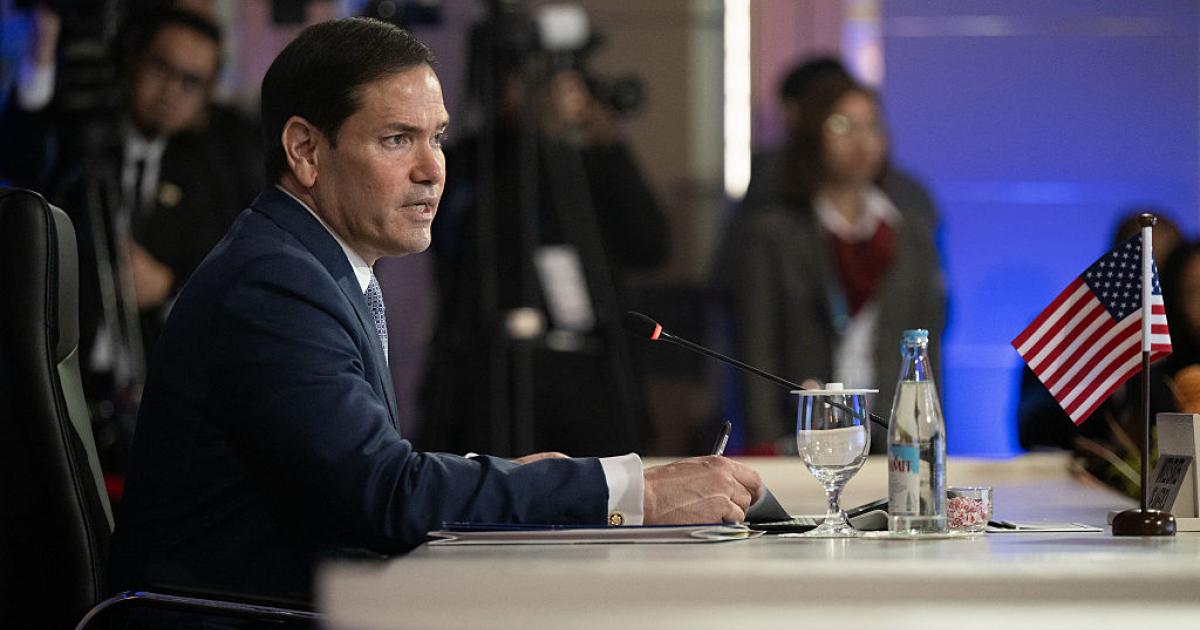
In a joint press conference in front of the Security Council chamber, the ambassadors of the United States, Bahrain, the UAE, Qatar, and Saudi Arabia, along with the representative of Kuwait, defended the fairness of the demands contained in the draft. The diplomats affirmed that the project is based entirely on the principles of international law and the United Nations Convention on the Law of the Sea, which guarantees freedom of navigation for all.
The text of the project emphasizes the necessity for all ships and aircraft, including commercial and cargo vessels, to enjoy their full navigational rights without any unlawful impediments in the Strait of Hormuz. The proposed resolution also demands that Tehran immediately cease all forms of threat or use of force that could affect the safety of international waterways.
The draft includes an explicit clause obliging Iran to immediately disclose the numbers and locations of naval mines laid in the strait or its surrounding areas. The project also calls on the Iranian authorities to cooperate with international efforts aimed at removing these mines to ensure the safety of passing ships and avoid environmental or economic disasters.
On the humanitarian front, the draft resolution stipulates the necessity of Iran's participation in United Nations efforts to establish a safe humanitarian corridor within the strait to facilitate the passage of vital goods. The text indicates that the continued closure of the strait or threats to navigation in it hinder the access of fertilizers and essential aid to developing countries suffering from food crises.
The project also addresses the serious economic repercussions of tensions in the Strait of Hormuz, emphasizing that any obstruction to navigation causes severe damage to global trade. The resolution warns that imposing illegal transit fees or navigational restriction practices violate international norms established for decades and affect the stability of global markets.
Informed sources clarified that the closed consultations held on May 6 witnessed sharp tug-of-war between the permanent delegations, with the Russian side insisting that the project lacked balance. In contrast, Washington and its Gulf allies believe that the resolution represents the minimum required to protect common international interests in the world's most important waterway.
As of now, no final date has been set for the voting session on the draft resolution, as the sponsors continue to assess the final positions of the Security Council member states. Diplomatic circles are awaiting whether the concessions related to Chapter VII will be sufficient to persuade opponents to abstain from voting instead of using their veto power.
Tension remains the dominant factor in the Gulf region, as this diplomatic move reflects the extent of international concern about the possibility of the situation escalating into a comprehensive confrontation. Through this project, the Gulf states affirm their commitment to political and legal solutions under the umbrella of the United Nations, while emphasizing their refusal to accept the continued threat to their water security and national economy.
The project demands that Iran immediately cease attacks and threats directed against commercial and cargo ships, and refrain from obstructing legitimate navigational rights.


Share your opinion
US-Gulf move in Security Council to secure navigation in Strait of Hormuz and avoid veto clash