







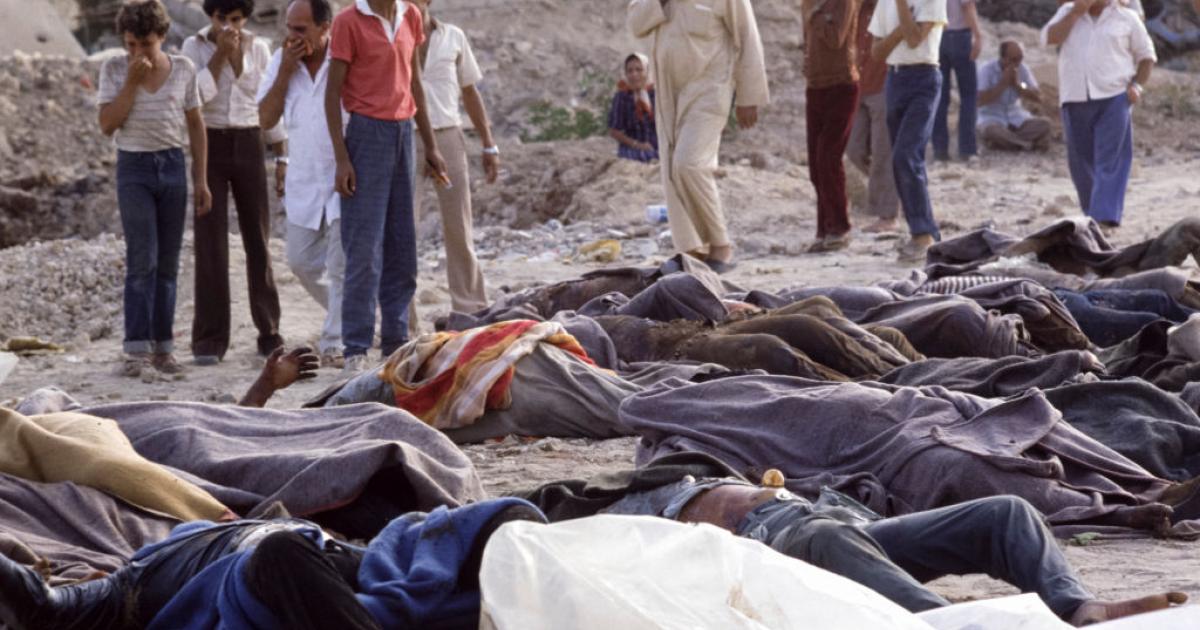
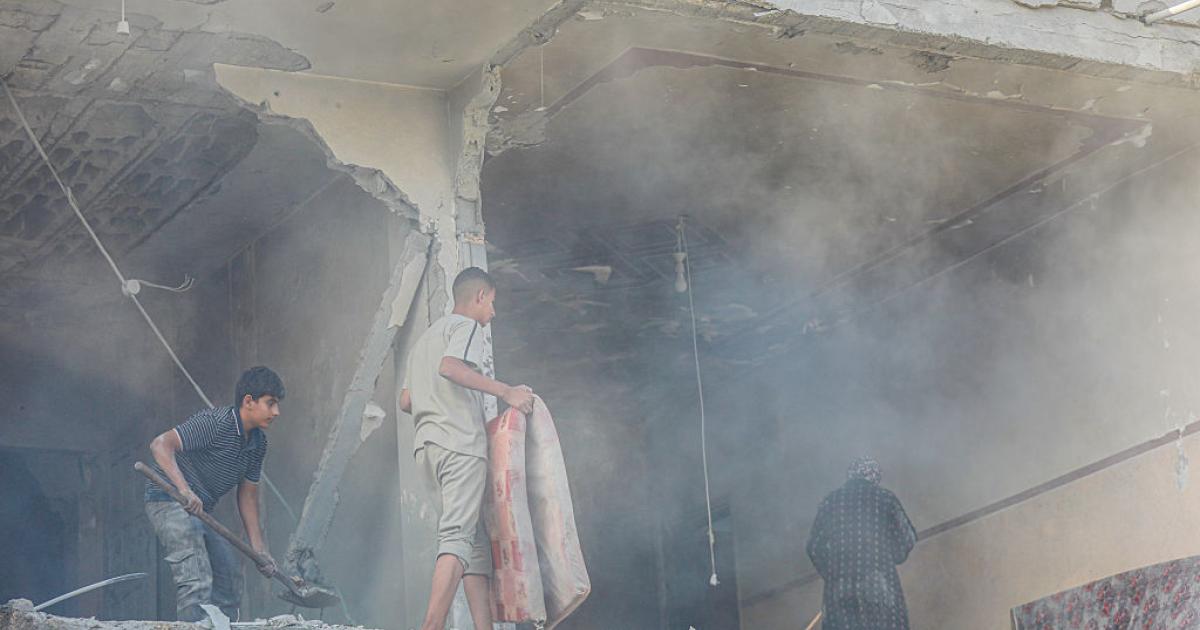
The internationally acclaimed novelist J.M. Coetzee, a Nobel laureate in Literature, has taken a striking ethical stance by announcing his withdrawal from the Jerusalem Book Festival, scheduled for later this month. The South African-born writer justified his decision by refusing to participate in any cultural event amidst what he described as a 'campaign of extermination' waged by Israel in the Gaza Strip, emphasizing that the current geopolitical situation prevents him from attending as a keynote speaker.
In a letter addressed to the organizers and published by press sources, Coetzee clarified that the ongoing Israeli military operations, which have lasted for months, appear utterly disproportionate and exceed any security justifications. The 86-year-old writer noted that this campaign enjoys widespread support within Israeli society, making intellectual and artistic elites complicit in the moral responsibility for these crimes.
Coetzee, considered one of the most prominent contemporary English-language writers, acknowledged in his letter a radical shift in his personal convictions regarding Israel. After having been a supporter in previous decades, and having visited Jerusalem in 1987 to receive a prestigious literary award, he affirmed today that the actions of the Israeli army in Gaza have caused many of its historical supporters to turn their backs in disgust.
The author of 'Disgrace' believes that Israel will need many years to restore its international reputation, which has been unprecedentedly damaged by current policies. He expressed his disappointment at the fading hopes he had for the Israeli people to change their stance towards Palestinians and provide some measure of justice for those whose lands were seized, stressing that the current reality necessitates a cultural isolation.
John Maxwell Coetzee was born in Cape Town in 1940 and grew up under the apartheid regime in South Africa, which profoundly influenced his concise and acerbic prose style. Coetzee was known for his mastery in depicting moral and political conflicts, making him the first writer in history to win the prestigious Booker Prize twice, before crowning his career with the Nobel Prize in 2003.
Coetzee's political stances were not born of the moment; their roots extend back to his youth when he participated in protests against the Vietnam War while in the United States. That participation led to his arrest in 1970 and denial of permanent residency there, prompting him to return to South Africa and work academically at the University of Cape Town before later moving to Australia.
Despite his historical reluctance to issue direct political judgments, his visit to Palestine in 2016 as part of a literature festival marked a turning point in his public discourse. He then stated from the West Bank that what he witnessed represented a system of forced apartheid based on race and religion, aimed at entrenching colonial invasion and control over natural resources.
Coetzee's novels, such as 'Life & Times of Michael K' and 'Waiting for the Barbarians,' are characterized by high linguistic precision and intellectual depth that transcends traditional narrative. His works often address themes of alienation and social injustice, with the Swedish Academy describing them as depicting 'the surprising involvement of the outsider' in morally and politically complex environments.
Coetzee's recent withdrawal comes amid a growing wave of cultural boycotts led by international artists and writers against Israeli institutions. Observers believe that the joining of a literary figure of Coetzee's stature to this campaign gives significant momentum to the international movement seeking to hold Israel accountable for its violations in the occupied Palestinian territories.
The writer's new stance also reflects an evolution in his vision of the intellectual's role in times of major crises, where he no longer contents himself with political allusions within his fictional texts. In his latest letter, he was direct in holding Israeli society as a whole responsible for the silence or support of the atrocities committed by the army in the besieged Gaza Strip.
It is worth noting that in recent years, Coetzee has moved away from realistic fiction, turning towards experimental forms that blend essays, memoirs, and intellectual debate. His recent works, such as the 'Jesus' trilogy, have reflected a deep preoccupation with issues of language and cultural hegemony, which aligns with his stance rejecting colonialism in all its forms.
The Israeli cultural community received the news of Coetzee's withdrawal with shock, given his global standing and his history, which had not previously been characterized by explicit hostility towards Israel. This withdrawal confirms that the circle of boycott is no longer limited to political activists but has extended to include the consciences of world literature who see Gaza as a moral test for humanity.
Academically, Coetzee has held high positions in international universities and is currently a research fellow at the University of Adelaide in Australia. His background in mathematics and English has contributed to shaping a unique literary style characterized by verbal austerity and philosophical clarity, making his influence transcend the boundaries of the English language to become global.
With this stance, Coetzee places himself at the forefront of intellectuals who refuse to separate art from harsh political reality, asserting that 'literary beauty' cannot flourish upon the ruins of genocide. His latest letter remains a historical document condemning international silence and calling for a comprehensive review of the relationship with the occupation system.
No respectable segment of Israeli society, including intellectual and artistic circles, can claim to be unconcerned with sharing responsibility for the atrocities committed in Gaza.
Share your opinion
Nobel Laureate J.M. Coetzee Withdraws from Jerusalem Festival: What's Happening in Gaza is Genocide