






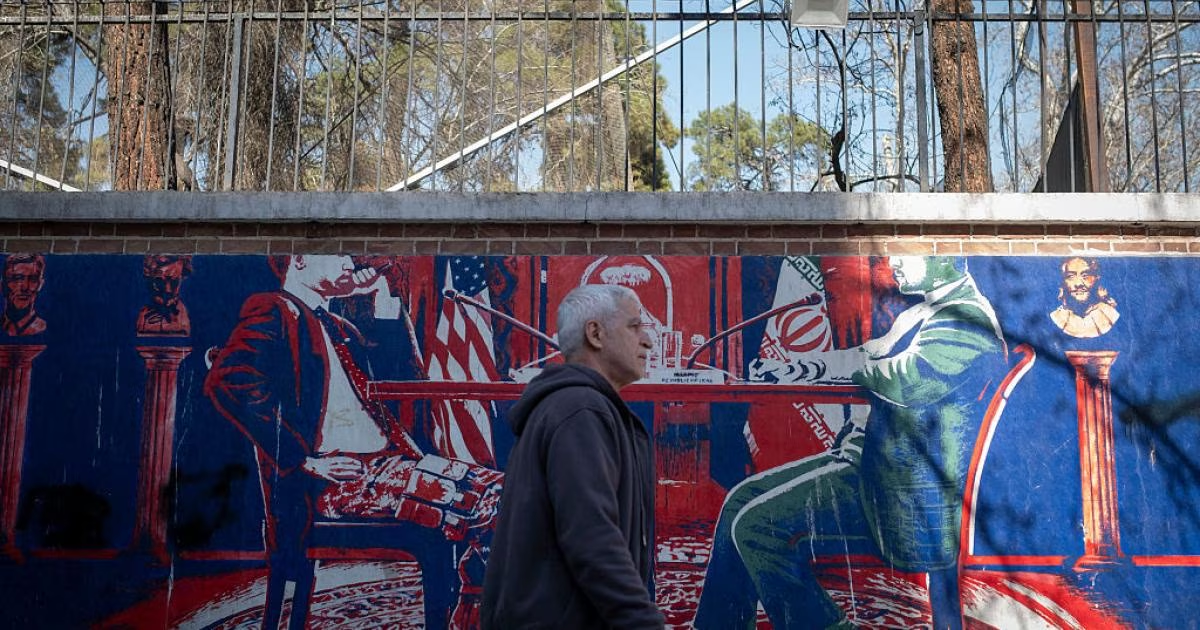
Tensions between Washington and Tehran escalated suddenly following field violations of the fragile ceasefire agreement between the two parties. Field sources reported that the exchange of accusations regarding responsibility for initiating the escalation opens the door to the possibility of a full-scale military confrontation returning to the region, especially with both sides confirming their readiness to respond.
Iranian forces accused the American side of violating the calm by launching attacks targeting two ships in the Strait of Hormuz, in addition to shelling civilian areas deep in the country's south. Tehran affirmed that it did not stand idly by, but rather responded by directly targeting US Navy military vessels present in the region.
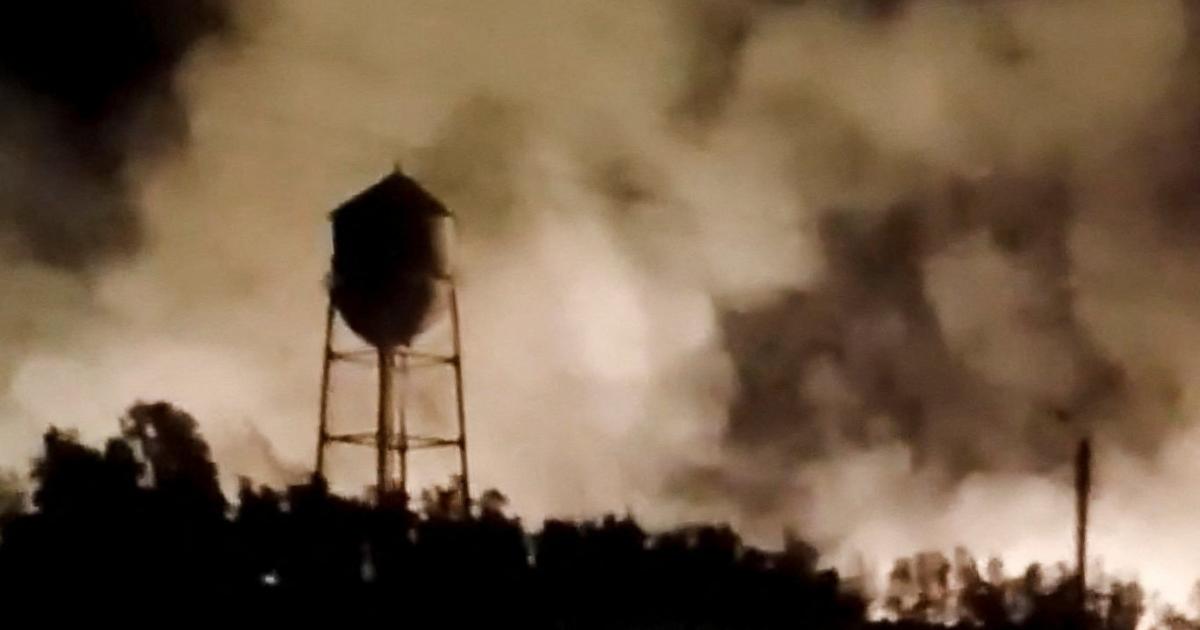
Meanwhile, official Iranian sources reported explosions resounding on the strategic Qeshm Island, located within the Strait of Hormuz, during Thursday night. Reports clarified that these explosions resulted from a direct clash and exchange of fire between Iranian armed forces and what it described as 'the enemy' at Bahman pier.
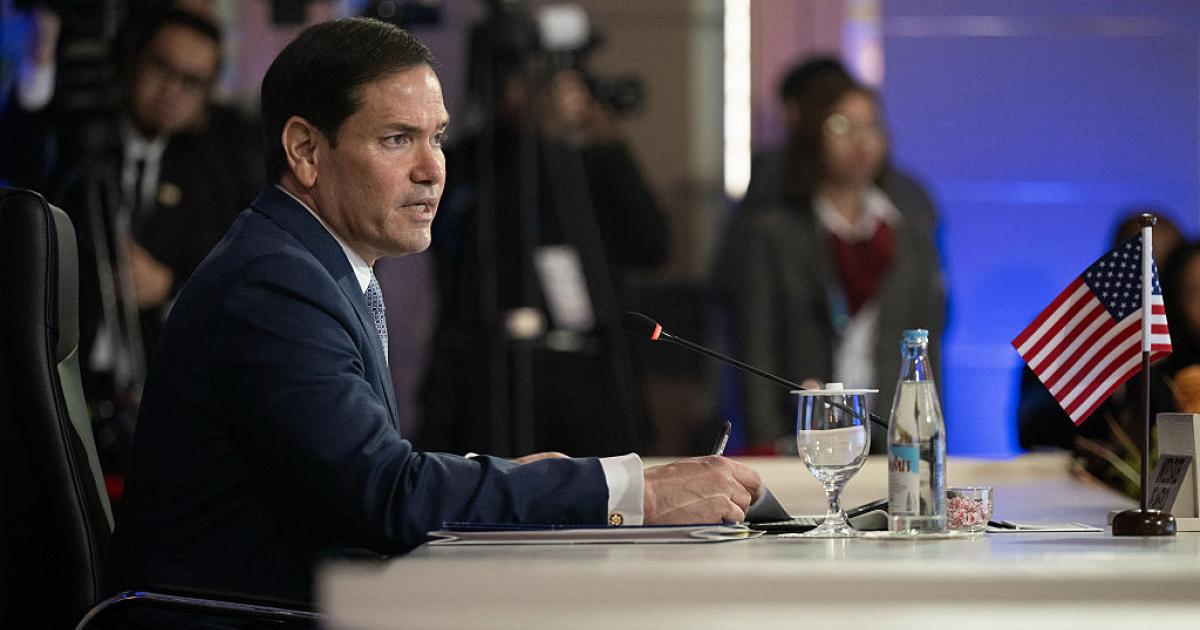
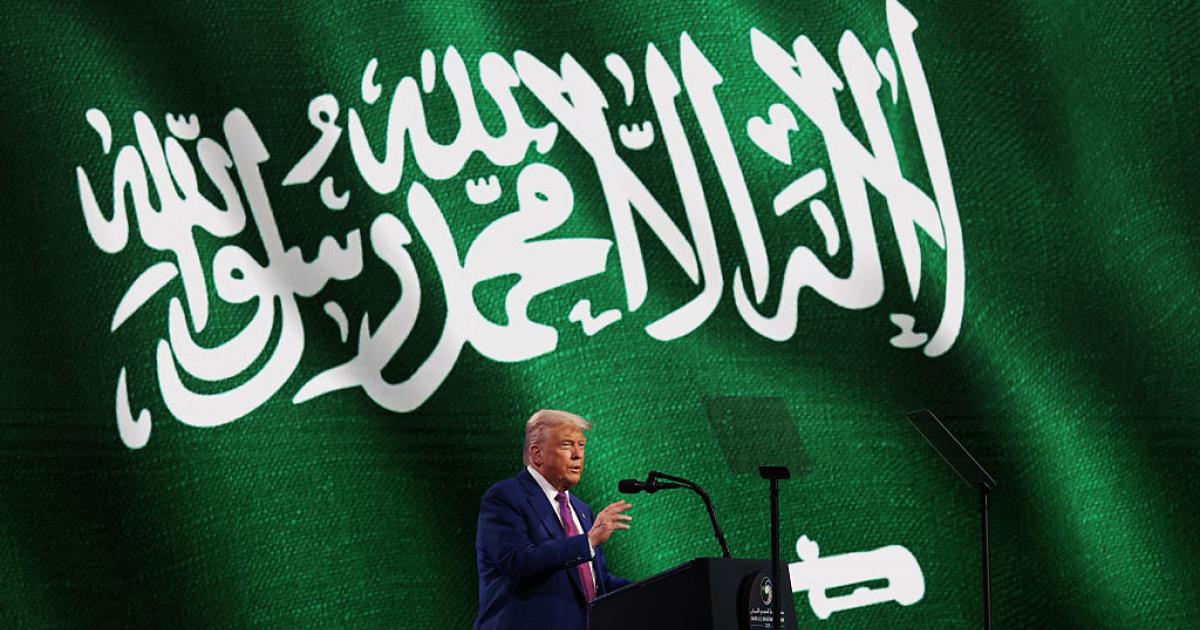
For his part, US President Donald Trump issued statements confirming that three American destroyers were subjected to an intense Iranian attack with missiles and drones. Trump explained that the warships successfully exited the Strait of Hormuz under fire, noting that American defenses shot down enemy targets with complete ease.
Despite acknowledging the clash, the US President considered that the ceasefire agreement remains politically in effect, and negotiations are ongoing. However, Trump issued a stern warning to Tehran, emphasizing that his country would deliver harsher strikes if the current American offer is not accepted quickly.
Observers believe that this escalation may be an attempt by the American administration to preempt any potential failure in the negotiation process. Estimates indicate that Washington seeks to extract quick concessions by exerting military pressure on the ground, exploiting the state of anticipation prevailing in Tehran's political circles regarding the nature of the upcoming response.
On the ground inside Iran, the governor of Minab stated that the targeting of Hormozgan province and southwestern areas did not result in human casualties. The local official confirmed no injuries among civilians, while assessment committees are still working to evaluate the material damage resulting from the shelling.
In the context of political analysis, informed sources in Tehran pointed to a deep crisis of trust regarding American promises, citing previous experiences. These sources considered that Washington pursues a policy of military escalation simultaneous with the negotiation table to impose its conditions, which the Iranian leadership rejects outright.
Currently, the dispute centers on a security agreement dedicated to securing navigation in the Strait of Hormuz, a path completely separate from the complexities of the nuclear file. Tehran insists on keeping the security of waterways away from any trade-offs related to its nuclear program, considering that linking the two files represents a تجاوزاً للخطوط الحمراء previously agreed upon.
The pace of mutual accusations and military movements in international waters suggests that the region has regained the features of a 'mini-war.' With the continued absence of direct communication channels and reliance on mediators, the possibilities of sliding into a wider confrontation remain, unless the repercussions of the recent Strait of Hormuz clashes are contained.
We will strike Iran with greater force than we did today if it does not quickly agree to the deal offered to it.

Share your opinion
Harbingers of a Returning Confrontation: Accusations Exchanged Between Washington and Tehran Over Truce Violation in the Strait of Hormuz