







Diplomatic efforts are accelerating between Washington and Tehran to reach final understandings based on a concise one-page memo, primarily aimed at ending the escalating military and political tensions between the two sides. These moves come amidst a round of negotiations described as complex, through which the American administration seeks to draw a clear framework for future negotiations related to the Iranian nuclear file.
Informed sources reported that the proposed memo by the American side focuses on freezing uranium enrichment activities in Iran for a specified period, in exchange for economic incentives including the gradual lifting of sanctions imposed on Tehran. The proposal also includes the release of billions of dollars of frozen Iranian assets abroad, representing a gesture of goodwill to enhance the chances of success for the diplomatic path.
Securing navigation in the Strait of Hormuz stands out as one of the fundamental pillars in the draft agreement, given the strategic importance of this waterway through which about 20% of global oil supplies flow. Washington demands an end to all Iranian threats to commercial vessels, especially after reports indicated that Iranian forces recently planted naval mines in the international passage.
In the context of field pressures, American military reports revealed the monitoring of naval mine-laying operations by the Iranian navy last April, which Washington considered a breach of initial understandings. These tensions have led to severe disruptions in global energy markets, with fuel prices in the United States reaching record levels not seen since 2022.
For his part, US President Donald Trump announced the suspension of a military operation aimed at securing ports, a move known as 'Operation Freedom'. Trump clarified that this decision came in response to international mediations, including from Pakistan, and to give a real opportunity for negotiators to reach a final formula that prevents the region from sliding into a comprehensive confrontation.
Leaks indicate that the current dispute centers on the duration of the uranium enrichment freeze, with Washington proposing a period ranging from 12 to 15 years to ensure Tehran's inability to develop a nuclear weapon. In return, Tehran is considering these timeframes in exchange for guarantees that would allow it to resume low-level enrichment for civilian purposes after the agreed period ends.
International reports indicate that Iran currently possesses a stockpile of uranium enriched to up to 60%, a percentage very close to the military manufacturing levels that require 90%. The new agreement aims to significantly reduce these percentages and return Iran's nuclear program to within 3.67%, which is the internationally recognized percentage for peaceful and research purposes.
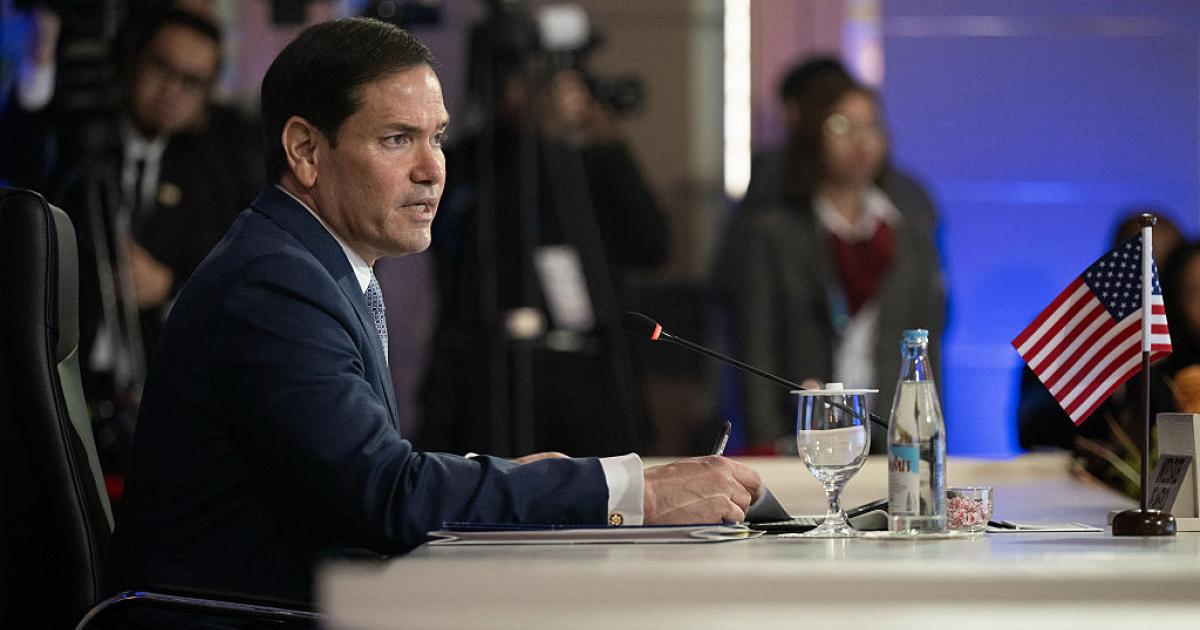
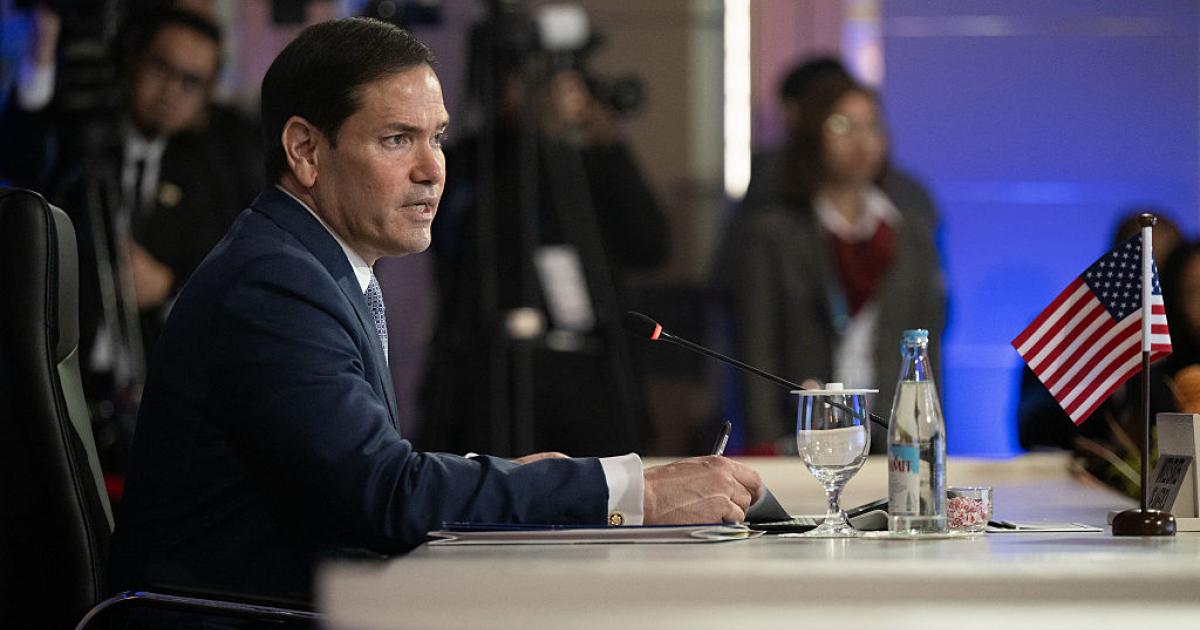
In a press conference from the White House, US Secretary of State Marco Rubio affirmed that his country does not oppose Iran having a purely civilian nuclear program, but it will under no circumstances accept its transformation into a military path. Rubio stressed that recent Iranian actions are concerning and require a clear diplomatic solution that defines the concessions required from Tehran from the outset.
The memo also includes strict American conditions regarding international inspections, requiring Iran to agree to unconditional access for UN inspectors to its nuclear facilities. Washington considers close monitoring to be the only guarantee to ensure Tehran's adherence to the terms of the agreement and to prevent any secret activities that could undermine regional stability.
Despite the negotiating atmosphere, the American stance was not devoid of threatening language, as President Trump warned officials in Tehran of the consequences of rejecting the current proposals. Trump clearly indicated that the failure of the diplomatic path would mean a return to the option of military force with an intensity exceeding previous operations, putting the Iranian leadership before difficult choices.
The American negotiating team is led by prominent figures including envoy Steve Witkoff and Jared Kushner, who are working on drafting the precise technical details of the agreement. This team seeks to build international consensus supporting the memo, especially with allied countries directly affected by the security of navigation in the Arabian Gulf and the stability of energy prices.
Diplomatic sources indicate that the next few days will be crucial in determining the fate of this paper, as the American side awaits an official response from Tehran regarding the proposed timelines. This memo is considered a 'test of intentions' for both parties, either moving towards a comprehensive agreement or returning to the square of direct military escalation.
Should these understandings succeed, the region is expected to witness a significant economic breakthrough, especially with the lifting of restrictions on Iranian oil exports and the flow of frozen funds into the local economy. Observers believe that this agreement could pave the way for broader settlements involving other regional issues related to Iranian influence in the Middle East.
In conclusion, the biggest challenge remains the extent to which both parties can overcome the accumulated distrust over decades of conflict. While Washington insists on strict security guarantees, Tehran demands a complete and comprehensive lifting of sanctions, making the 'one-page paper' an ambitious attempt to condense a highly complex international crisis into specific and direct terms.
Iran can have a civilian nuclear program if it wishes, but its pursuit of a military program is unacceptable.
Share your opinion
'One-Page' Memo: Details of the American Proposal to End Escalation with Iran