







The international arena witnessed a dramatic shift following US President Donald Trump's announcement to freeze 'Operation Freedom,' which aimed to forcibly break Iran's blockade of the Strait of Hormuz. This decision was made via the 'Truth Social' platform, where Trump indicated his desire to give diplomatic solutions a chance, reflecting a clear retreat from the threatening rhetoric that prevailed in recent weeks.
Informed sources reported extensive behind-the-scenes contacts between American and Iranian officials to reach a comprehensive 'agreement of principles.' This proposed agreement aims to address the causes and consequences of the conflict, ensuring an end to hostilities and the restoration of stability in vital international shipping lanes.
Global markets reacted immediately to this news, with oil prices recording a sharp drop exceeding 10% within a few hours. Observers considered this decline to reflect market optimism about the disappearance of the specter of a full-scale military confrontation that threatened global energy supplies.
For its part, the Iranian Revolutionary Guard announced that safe and stable passage through the Strait of Hormuz would become possible under the new measures and the disappearance of threats from external powers. These statements confirm the existence of a climate of mutual de-escalation that paves the way for negotiation away from the language of warships.
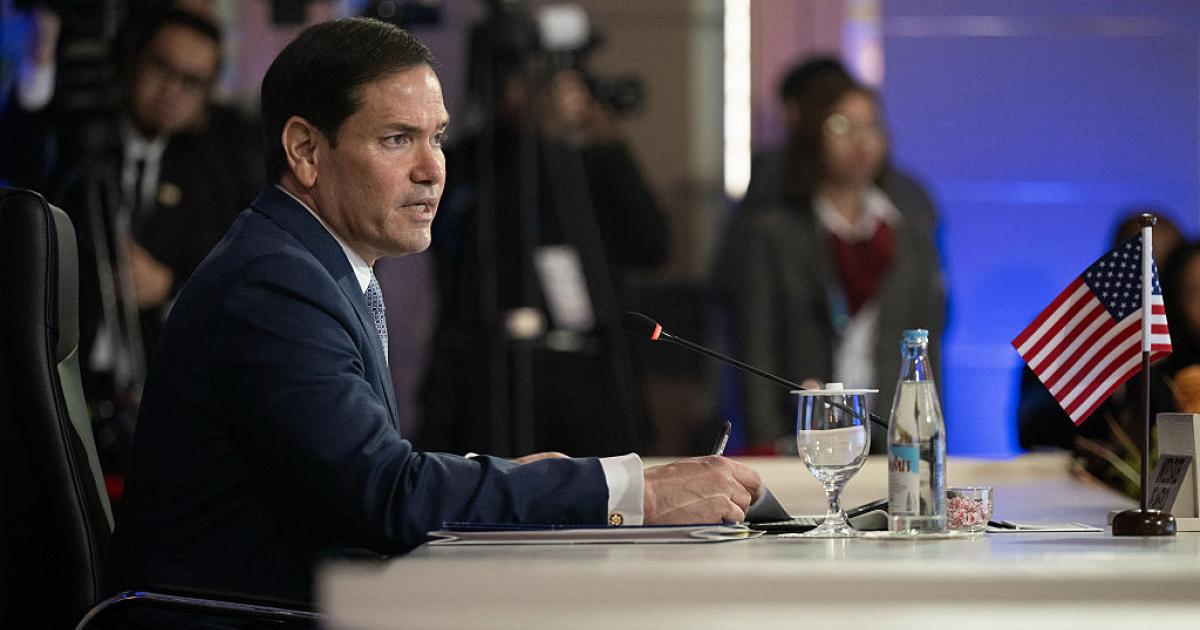
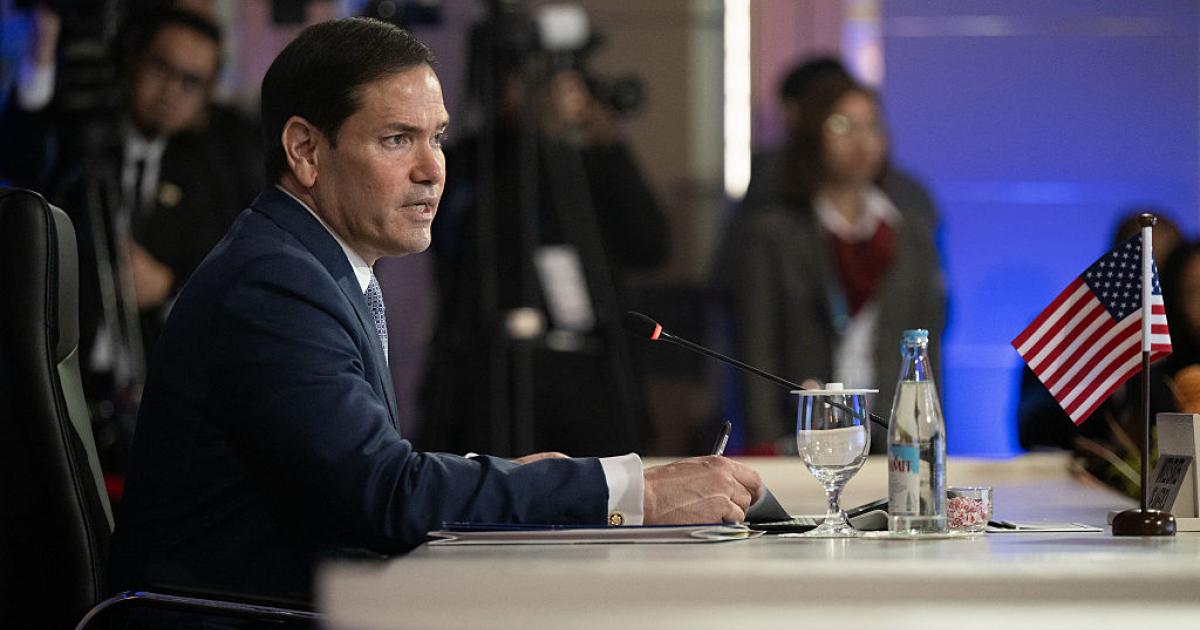
The official tone in Washington has changed significantly, with Secretary of State Marco Rubio stating that what he described as a war of 'epic rage' has ended after achieving its strategic objectives. Rubio affirmed that US forces in the Gulf region have now shifted to a 'defensive posture,' which represents a departure from the pre-emptive strike strategy.
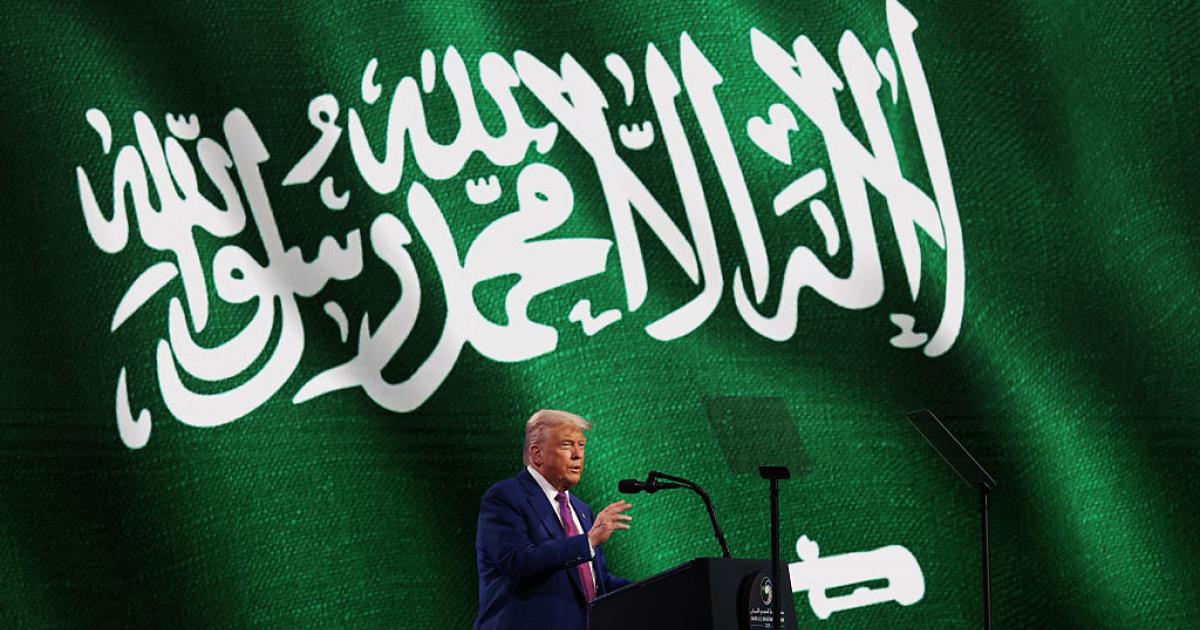
For his part, President Trump softened his rhetoric, avoiding the use of terms like 'total war' and replacing them with expressions such as 'small war' or 'limited conflict.' Trump expressed unprecedented optimism about the possibility of reaching a historic settlement with the Iranian leadership that would end the nuclear crisis and ensure freedom of navigation.
In a related context, Secretary of Defense Pete Hegseth affirmed that the US administration is not seeking to fight at present, emphasizing that the military phase has exhausted its purposes. These statements reflect a consensus within the administration on the need to find a political solution that preserves the prestige of the United States.
Analyses show that internal pressures in the United States played a crucial role in this shift, especially with the approaching congressional midterm elections. The Republican Party faces significant challenges amid declining presidential popularity and voter discontent over rising living costs and fuel prices resulting from military tensions.
Opinion polls indicate that the majority of the American public, including a wide segment of Republicans, oppose being drawn into long-term wars of attrition. Trump fears that continued fighting could lead to an 'electoral suicide' that would cost his party control of both the Senate and the House of Representatives next November.
Legal complexities also emerged regarding the necessity of obtaining parliamentary approval to continue military operations that have exceeded 60 days. This legal constraint raises concerns in White House circles, pushing for a diplomatic resolution of the issue to avoid a confrontation with Congress.
On the ground, experience has shown that US military power, despite its immense destructive capability, has not succeeded in imposing political change in Tehran. Analysts believe that economic sanctions and financial incentives may be more effective than aerial bombardment in extracting genuine concessions from the Iranian side.
The leaked 'agreement of principles' document includes fundamental clauses, including Iran's commitment not to seek nuclear weapons in exchange for a full lifting of economic sanctions. The agreement also includes the unfreezing of Iranian assets in international banks, a key demand for Tehran to accept de-escalation.
In contrast, Tel Aviv is monitoring these developments with great concern, as Israeli military circles prefer the continuation of military pressure to further weaken Iran. A clear divergence of interests is apparent, as Washington seeks an exit from the war while Israel sees its continuation as a strategic opportunity.
In conclusion, it appears that the final decision rests with the White House, which seeks to turn the page on confrontation before Trump's anticipated visit to Beijing. Israel finds itself compelled to follow the new American path, despite its desire to escalate operations, confirming that Washington holds the initiative at this stage.
The equation has changed from war until submission, to negotiations until an agreement is reached that saves face for both parties.
Share your opinion
A Shift in Washington's Strategy: Are the Drums of War in the Gulf Falling Silent?