







Iranian President Masoud Pezeshkian issued strong warnings against the continued naval blockade imposed by the United States on Iranian ports, considering this step would exacerbate unrest in the Gulf region. Pezeshkian clarified that these measures would not achieve their political goals, but rather increase tension and undermine regional stability to an unprecedented extent.
The Iranian President affirmed in an official statement that imposing naval restrictions constitutes a blatant violation of applicable international laws, stressing that his country will not stand idly by in the face of attempts to suffocate its economy. These statements come at a time when the region is witnessing a state of military and political alert due to the mutual escalation between Tehran and Washington.
On the diplomatic front, the Pakistani Ministry of Foreign Affairs announced the continuation of mediation and de-escalation efforts between the two parties, confirming that channels of dialogue remain open with officials in Washington and Tehran. Islamabad, through its intensive contacts, seeks to maintain the ceasefire and prevent the region from sliding into a comprehensive military confrontation.
The roots of the current crisis date back to the US administration's decision to impose a comprehensive naval blockade on Iranian ports on April 13th, just a few days after a fragile truce came into effect in the Middle East. In response, Tehran retaliated by continuing to close the Strait of Hormuz, which is the main artery for global oil transport, hinting at additional escalatory options.
For his part, the military advisor to the Iranian Supreme Leader, Mohsen Rezaei, joined the warnings, emphasizing that Iran will not tolerate the continuation of these economic and military pressures for long. Rezaei pointed to the possibility of his country resorting to direct military retaliation, including targeting US forces in the region if the blockade is not lifted immediately.
In the same context, Iranian Oil Minister Mohsen Paknejad downplayed the effectiveness of the American blockade, affirming that his country's energy sector continues to operate to ensure continuity of supplies. Nejadian explained that alternative Iranian plans succeeded in absorbing the initial shock of the blockade, stressing that the pressures will not deter Tehran from its political stances.
On the ground, Iranian Army Navy Commander Shahram Irani revealed his country's intention to deploy advanced defensive and offensive naval systems in the very near future. This step reflects the escalation of Iranian military readiness to confront any hostile naval movements in its surrounding regional and international waters.
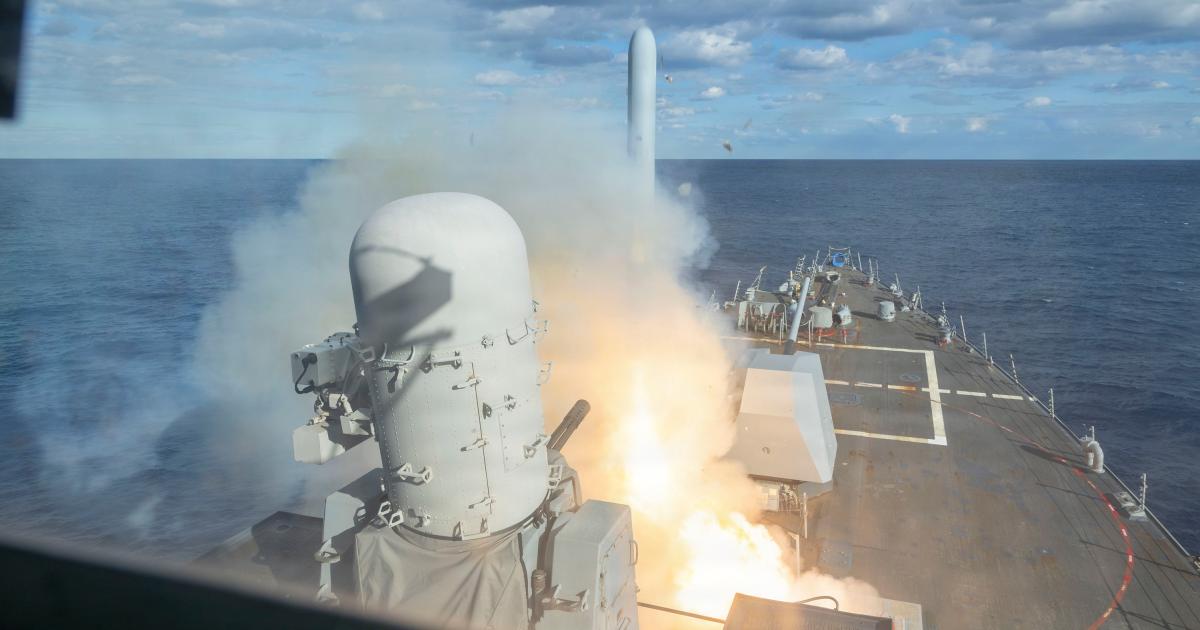
In contrast, press reports indicated that President Donald Trump's administration has begun extensive diplomatic efforts to persuade its allies to join a new international coalition. This alliance, named the 'Maritime Freedom Mechanism,' aims to secure navigation in the Strait of Hormuz and ensure the flow of global trade away from Iranian threats.
According to informed sources, the American project aims to coordinate military and intelligence efforts among participating countries, in addition to strengthening the implementation of sanctions imposed on Tehran. The White House, through this initiative, seeks to isolate Iran maritimately and reduce its ability to influence international energy corridors.
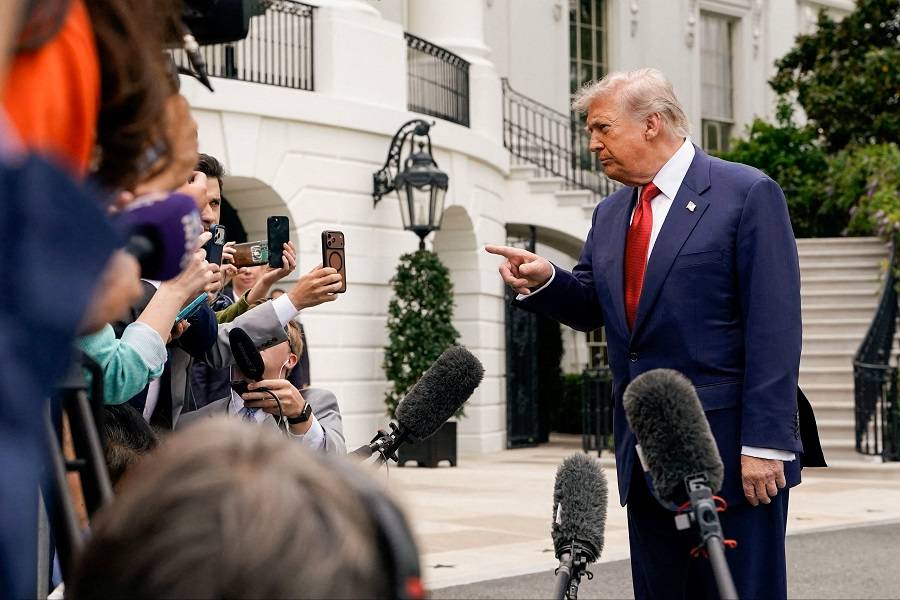
In Washington, a US official revealed that the administration is seriously considering extending the naval blockade for several additional months if negotiations with the Iranian side continue to falter. This approach comes amid American insistence on extracting substantial concessions from Tehran regarding its nuclear program and regional influence.
These tensions have sharply impacted global markets, with oil prices recording a record jump exceeding 7%, bringing the price of Brent crude to over $126. Investors are concerned about the possibility of supply disruptions, which poses new challenges for the global economy amid the complex geopolitical landscape in the Gulf.
Any attempt to impose a naval blockade contradicts international law and will not enhance regional security but will be a source of tension.
Share your opinion
Escalation in the Gulf: Tehran Warns of 'Port Blockade' as Washington Mobilizes for Naval Alliance