







The Arizona State Senate's decision to call for the use of the term 'Judea and Samaria' is no longer just a symbolic measure; it is a reflection of a systematic Israeli policy aimed at erasing Palestinian identity. This policy works to harness international lobbies to falsify the historical narrative about the land and transform biblical names into a imposed reality that transcends international laws.
This shift in terminology coincides with an unprecedented settlement campaign aimed at influencing the core of American foreign policy. Although the international community still recognizes the area as an occupied 'West Bank,' the movement led by settler leaders seeks to obtain official recognition of Israeli sovereignty through legal documents.
Israeli Finance Minister Bezalel Smotrich revealed close coordination with the current American administration to support settlement expansion operations. Smotrich affirmed that the measures taken in the West Bank received a green light from prominent American officials, which reinforces the hypothesis of creeping annexation of the occupied Palestinian territories.
Israel's narrative in naming 'Judea and Samaria' is based on biblical interpretations that claim the existence of ancient kingdoms in the north and south of the West Bank. This narrative claims that the cities of Nablus, Salfit, and Jenin fall within the borders of 'Samaria,' while Jerusalem and the southern areas fall within the historically presumed 'Kingdom of Judea.'
In contrast, archaeological facts confirm that Palestine is a Canaanite land par excellence, where its indigenous inhabitants lived thousands of years before the emergence of Israeli narratives. There is existing material evidence in Jericho, Ashkelon, and Jerusalem, in addition to ancient Egyptian and Assyrian records that refute the claims attempting to link the land to the alleged temple.
Islamic doctrine confronts this narrative with a religious grounding that places Jerusalem at the heart of the region's historical identity. The Islamic vision considers the prophets whom Israel describes as 'kings' to be monotheistic prophets, making the conflict over names a conflict over the religious and historical legitimacy of the Holy Land.
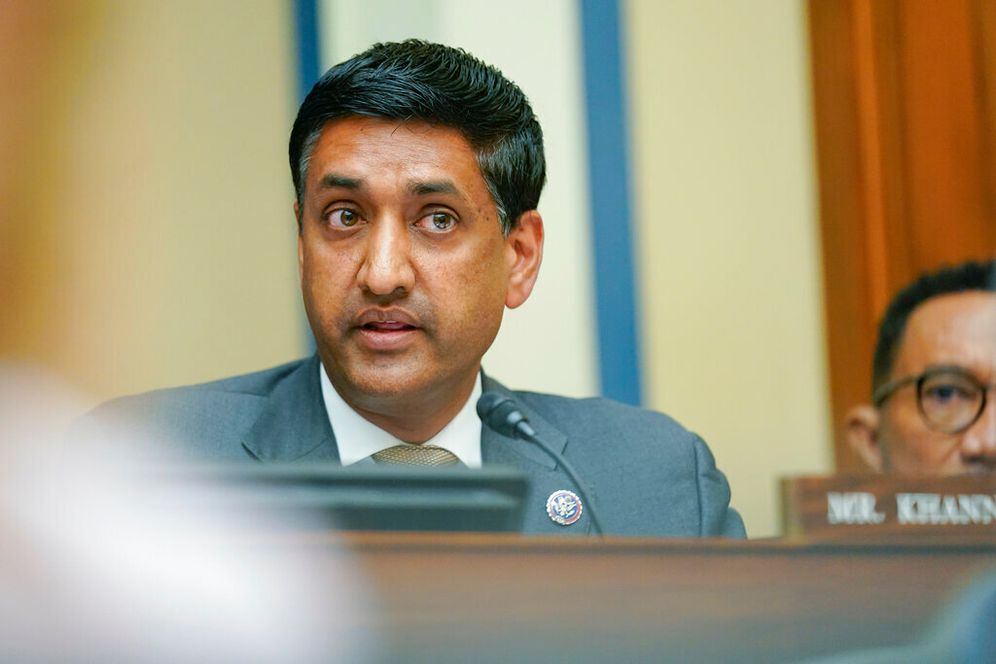
2025 witnessed a dangerous legislative escalation, as the Israeli Knesset approved in preliminary reading a bill imposing the name 'Judea and Samaria.' This was accompanied by orders issued to staff of the US House Foreign Affairs Committee to use this term in official correspondence and documentation.
The roots of the current administrative division of the West Bank date back to the Oslo II Accord in 1995, which classified the territories into three areas (A, B, C). These divisions were supposed to be transitional, ending with the establishment of a Palestinian state, but Israel exploited them to solidify its permanent military and settlement presence.
Area 'C,' which constitutes about 61% of the West Bank's area, is under full Israeli control, making it the primary theater for expansion operations. Over the decades, promises of Israeli withdrawal have faded, replaced by a settlement reality that swallows up the areas designated for the future Palestinian state.
The Israeli security cabinet recently approved a package of measures aimed at consecrating absolute control over the West Bank. Among the most prominent of these decisions is the cancellation of restrictions that prevented settlers from directly purchasing land, which facilitates seizure operations without the need for intermediaries or complex licenses.
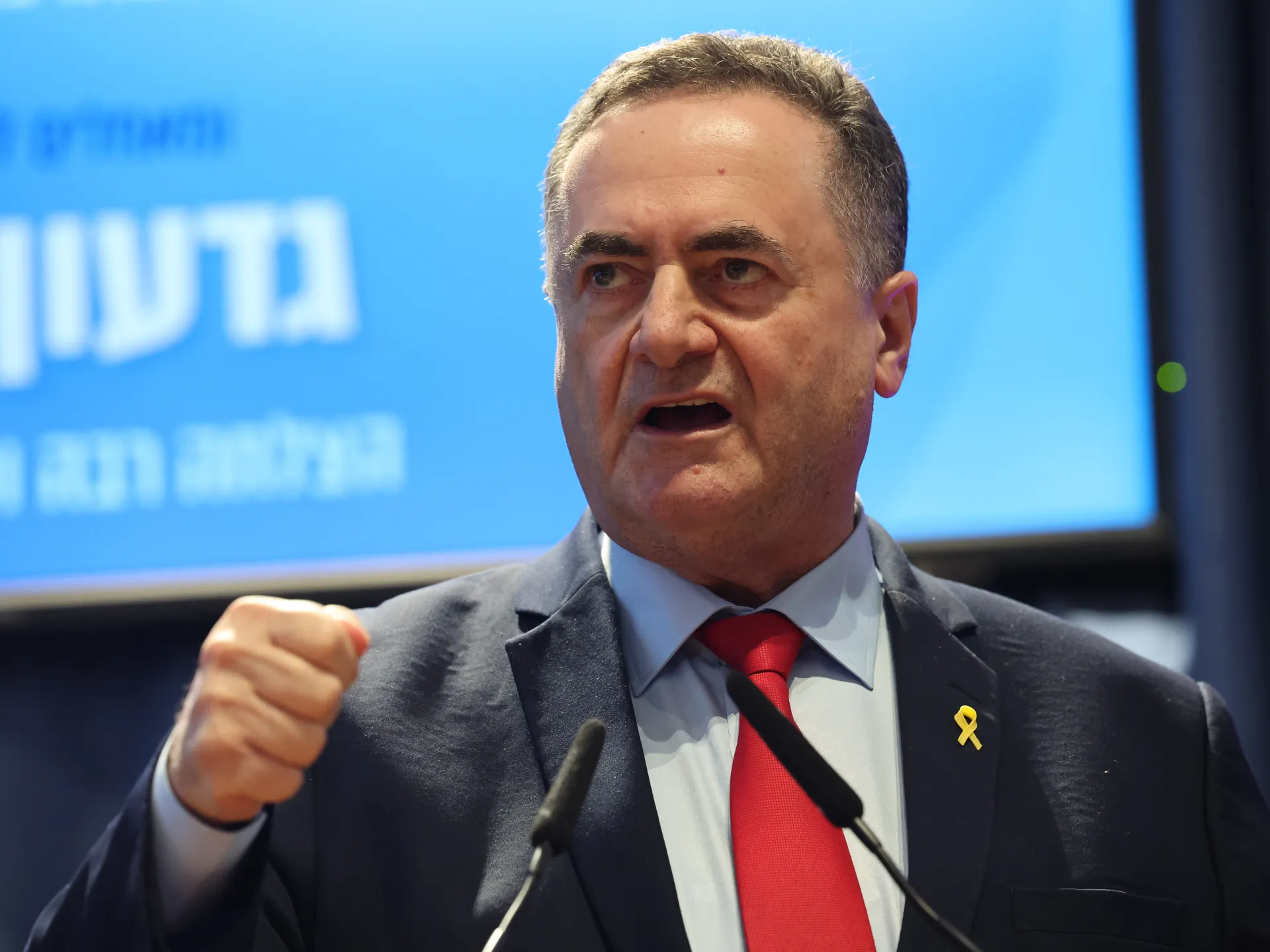
Far-right ministers, such as Yisrael Katz, believe that strengthening settlement in 'Judea and Samaria' represents a supreme national and Zionist interest. The Israeli leadership openly declares that these steps aim to bury the two-state solution permanently and impose Israeli sovereignty as an irreversible fait accompli.
Reports from the Wall and Settlement Resistance Commission indicate the existence of more than 542 settlements and settlement outposts that fragment the West Bank. More than 780,000 settlers inhabit these settlements, effectively controlling vast areas exceeding 42% of the total area of the occupied West Bank.
The occupation authorities exploit names such as 'state lands' and 'nature reserves' to transform more than 70% of areas (C) into areas forbidden to Palestinians. These measures coincide with an escalation of settler attacks aimed at displacing the indigenous population and expanding the geographical scope of control.
Replacing the name 'West Bank' with 'Judea and Samaria' is not just linguistic manipulation, but a tool in the 'war of terms' to resolve the conflict. The occupation is racing against time to transform the land from an occupied territory under international law into a sovereign part of Israel, exploiting international political circumstances to impose its extremist vision.
This step aims to deepen our roots in all areas of the land of Israel and bury the idea of a Palestinian state.

Share your opinion
War of Terms: How Israel Uses 'Judea and Samaria' to Swallow the West Bank?