





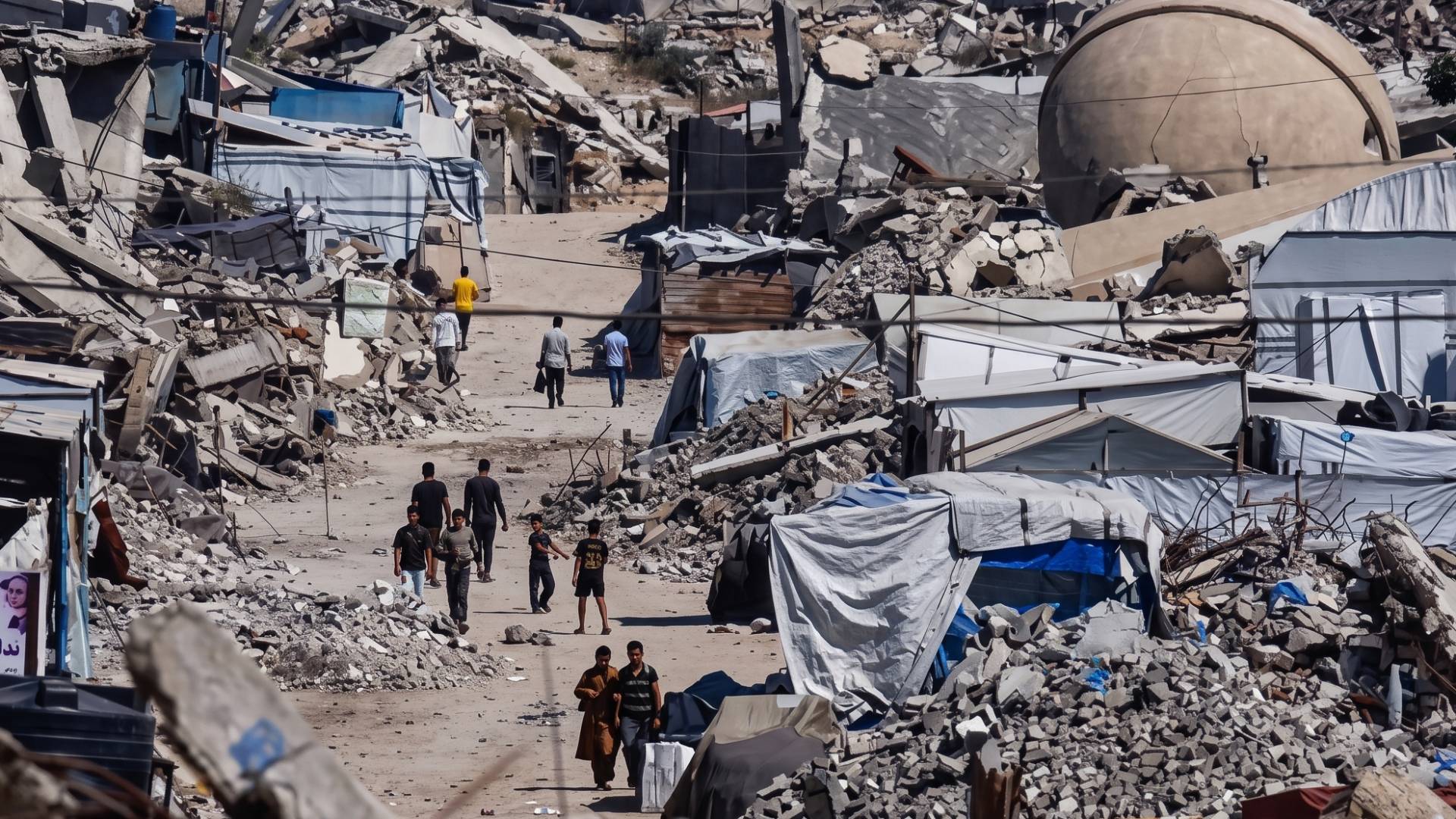
Today, the Gaza Strip emerges from under the rubble to face the world with existential questions that go beyond merely stopping the Israeli killing machine, reaching how to extract a political victory commensurate with the sacrifices. The current scene reveals unprecedented complexity where blood intertwines with political dialogues, amidst the absence of a comprehensive national strategy that foresees the post-war phase.\n\nWhat the Strip is witnessing is not just a fleeting round of fighting, but an imperative that has reshuffled Palestinian political cards from their roots. The war launched by Israel did not only target the military infrastructure of the resistance, but sought to strike the idea of the entire Palestinian national project and transform the geography in favor of its liquidation goals.\n\nAt this stage, the idea that war is an extension of politics by bloody means becomes clear, as the occupation authorities seek to draw a new demographic and geographic reality in Gaza. This reality imposes on Palestinians the necessity of clearly understanding themselves, and overcoming internal differences managed behind closed doors in favor of a unified national vision.\n\n"The day after" the war was a central issue in the Cairo discussions between Hamas and the Palestinian factions, where the future administration of the Strip was deliberated. These discussions reflect a growing awareness of the danger of political vacuum and fragmentation, which only serves the agendas of the occupation seeking to liquidate the cause.\n\n The real center of gravity in this confrontation is the political and moral will to steadfastness, which Israel is trying to break through policies of starvation and systematic displacement. In return, Palestinians are betting on transforming this legendary steadfastness into tangible political gains that end the historical division.\n\nNational unity, which was previously presented as a political slogan, has today become an existential necessity to save the national project from certain loss. Any future political arrangements must be based on a solid moral foundation that prioritizes the supreme interest over narrow factional calculations and partisan interests.\n\nA qualitative shift is emerging in the discourse of Palestinian elites towards political rationality, driven by the heavy cost paid by the Palestinian people as a result of the division. This shift reflects an awareness that victory in the military field is not complete unless it is accompanied by victory in the field of awareness and international politics.\n\nThe Palestinian political system faces a fundamental question about the possibility of continuing the model of two separate authorities under the roof of one homeland. Historical necessity today imposes a new model of governance in which institutions are unified and tools are consistent with major national goals, away from hegemony.\n\nOn the media front, the war revealed a systematic targeting of the Palestinian narrative, where occupation forces killed more than 250 journalists in an attempt to "cut the tongue." These crimes are not isolated, but rather part of a comprehensive strategy to prevent the truth of what is happening in Gaza from reaching the international community.\n\nThe issue of reforming the security establishment stands out as one of the most complex and urgent files in the coming phase, requiring a clear definition of its identity and function. The question remains: is what is needed a civil police force to maintain order, or the nucleus of a national army that protects the land and resists the occupation?\n\nGeopolitically, the Palestinian cause stands at a dangerous crossroads with the escalation of forced displacement projects and the redrawing of the region's maps. The steadfastness of Palestinians on their land represents a strategic victory in itself, but it requires activating diplomatic power tools to capitalize on increasing international recognition.\n\nLegal weaponry remains the most neglected tool in the Palestinian arsenal despite its utmost importance in prosecuting occupation leaders internationally. Activating international law tools and professionally documenting genocide crimes is the optimal response to Israel's attempts to legally justify its crimes.\n\nPalestinians today are at a historical crossroads; either clarity in political goals to transform sacrifices into a strategic victory, or remaining a victim of division. Reforming the Palestinian house in all areas is not a luxury, but the only way to transform blood and tears into a real state.\n\nIn conclusion, the biggest challenge facing leaders remains how to transform the legendary patience of the people into a political reality that guarantees freedom and dignity. The answer to this challenge is a collective responsibility, for war is fought not only in the fields, but in minds, hearts, and decision-making circles.\n\nWar is an extension of politics by other means, and what Israel is doing is not a separate military action but a bloody translation of the liquidation of the Palestinian cause.

PALESTINE
Thu 30 Apr 2026 8:31 am - Jerusalem Time
Gaza Between the Rubble of War and the Battle of Politics: The Imperatives of Existence and Rebuilding the National Project

Tags
MORE FROM PALESTINE
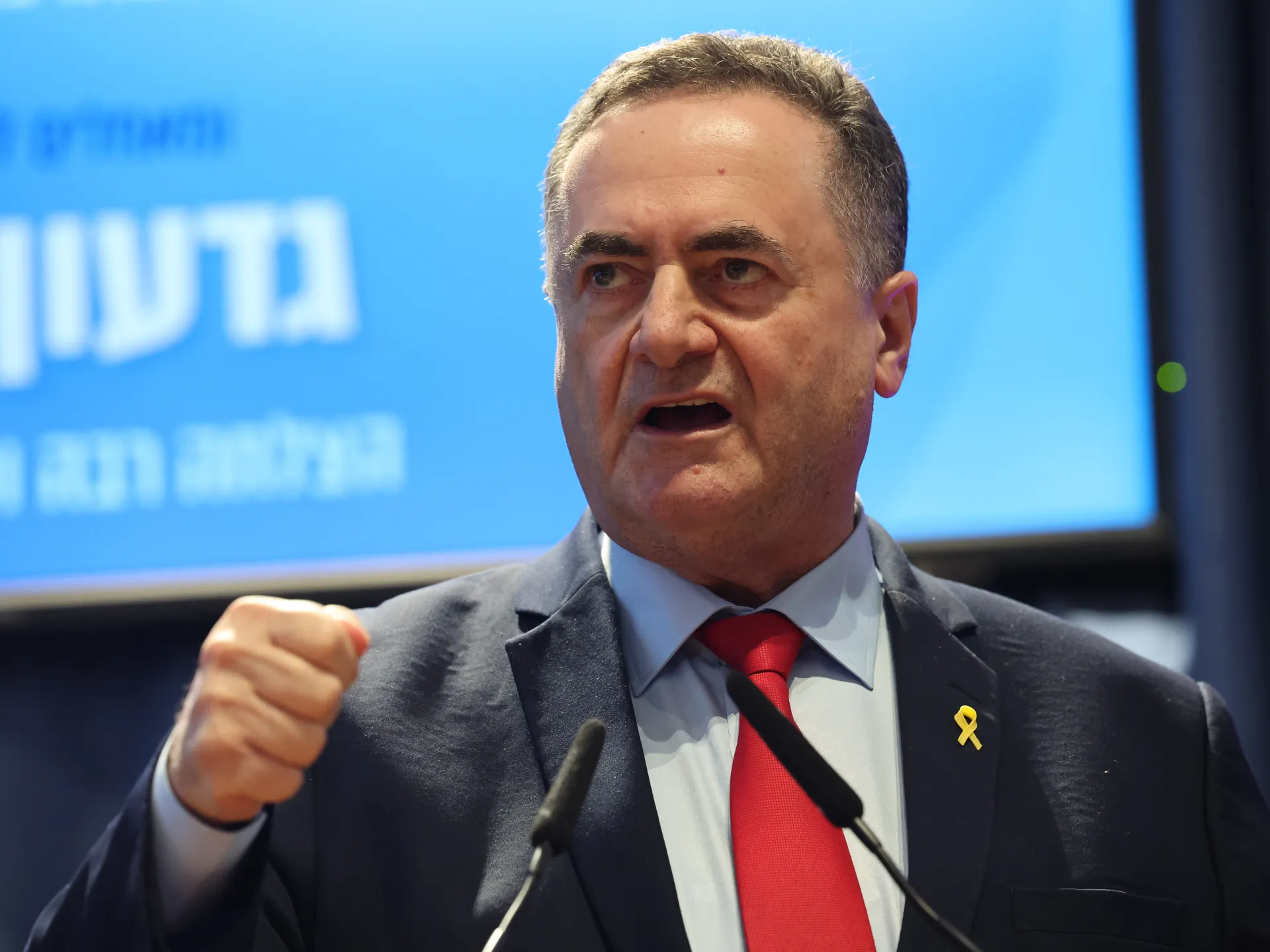
Katz boasts about Gaza's destruction and announces a plan to establish military outposts in the northern Strip
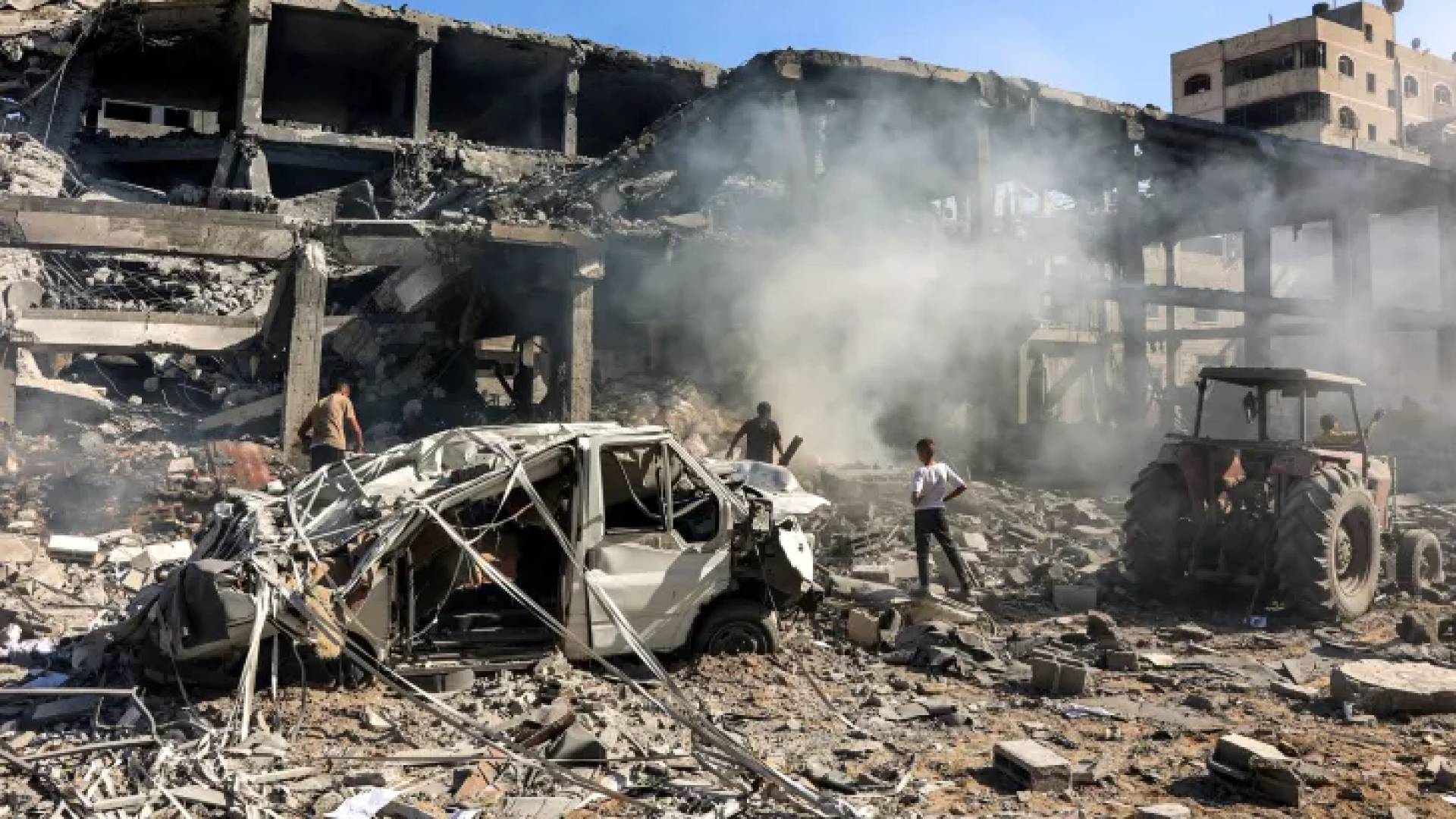
Director of Jabalia Police and Other Officers Martyred in Israeli Massacre North of Gaza
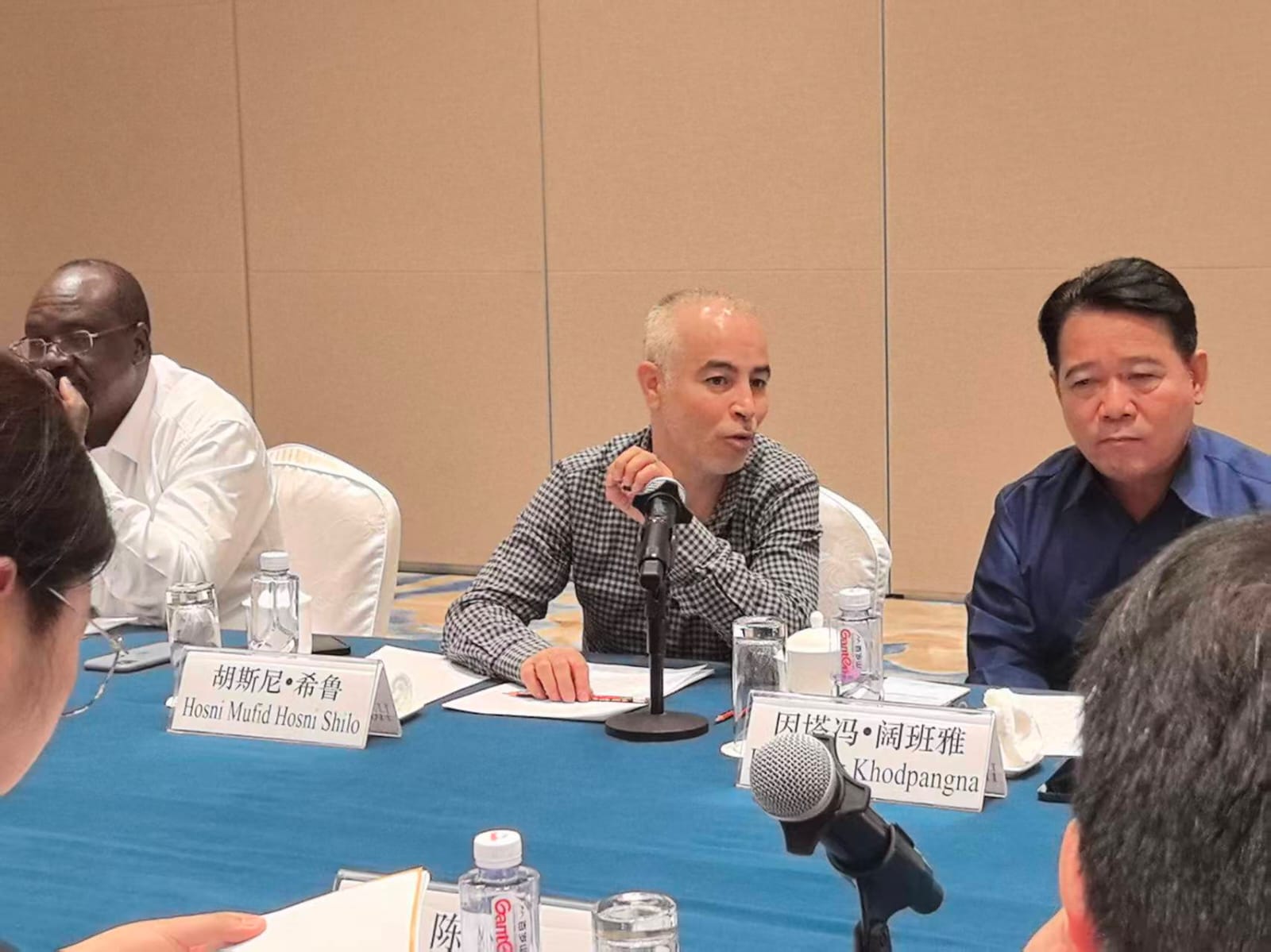
Shilo: We call for the establishment of a “Friends of China Group Worldwide” to enhance media and intellectual cooperation and dialogue among civilizations
Share your opinion
Gaza Between the Rubble of War and the Battle of Politics: The Imperatives of Existence and Rebuilding the National Project