







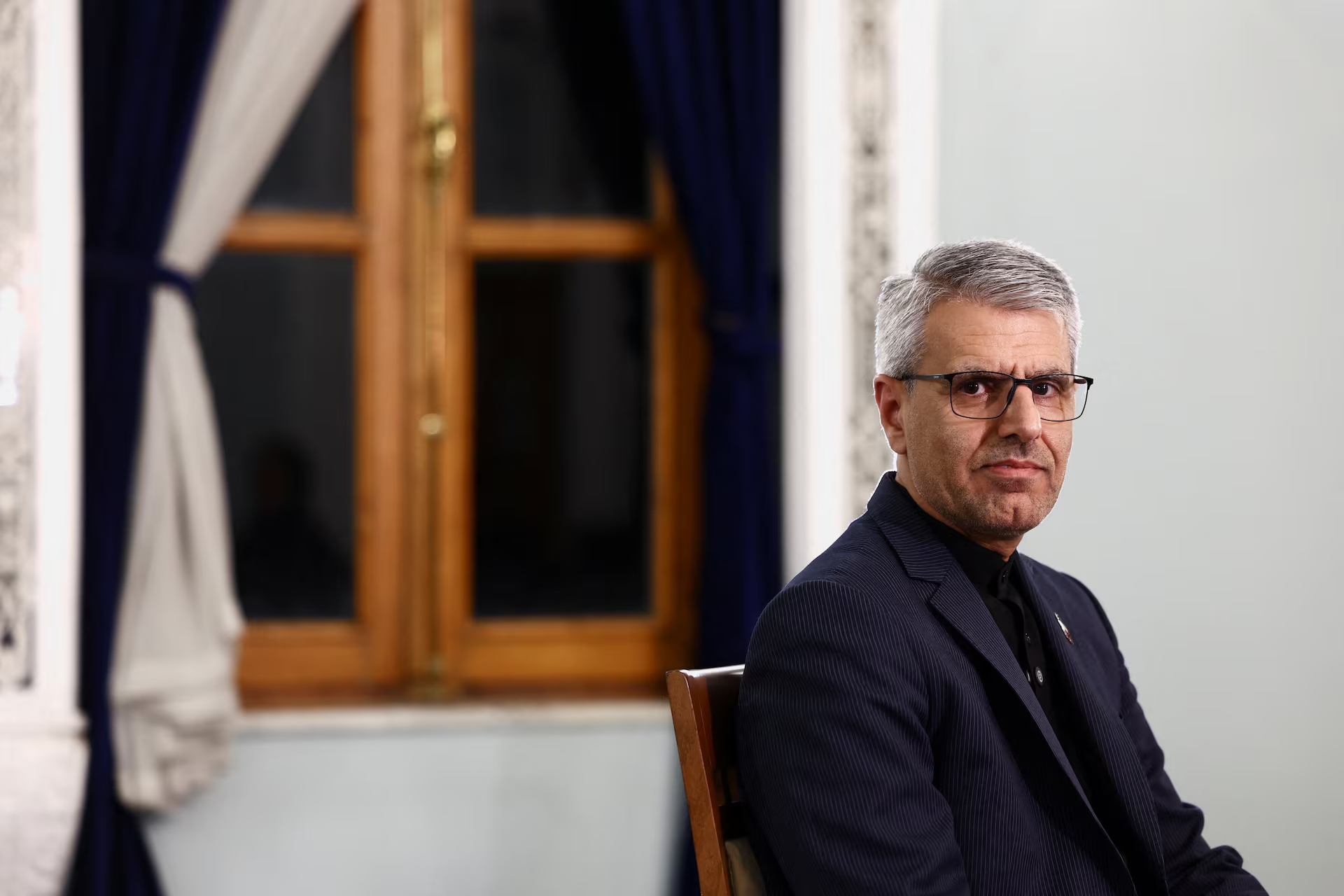
Informed sources in the Pakistani capital, Islamabad, revealed the anticipated arrival of Iranian Foreign Minister Abbas Araghchi this Friday evening, as part of a regional tour aimed at discussing pressing issues in the region. The Iranian minister is accompanied by a limited diplomatic delegation, a move that comes amidst intensive international efforts to de-escalate military and political tensions.
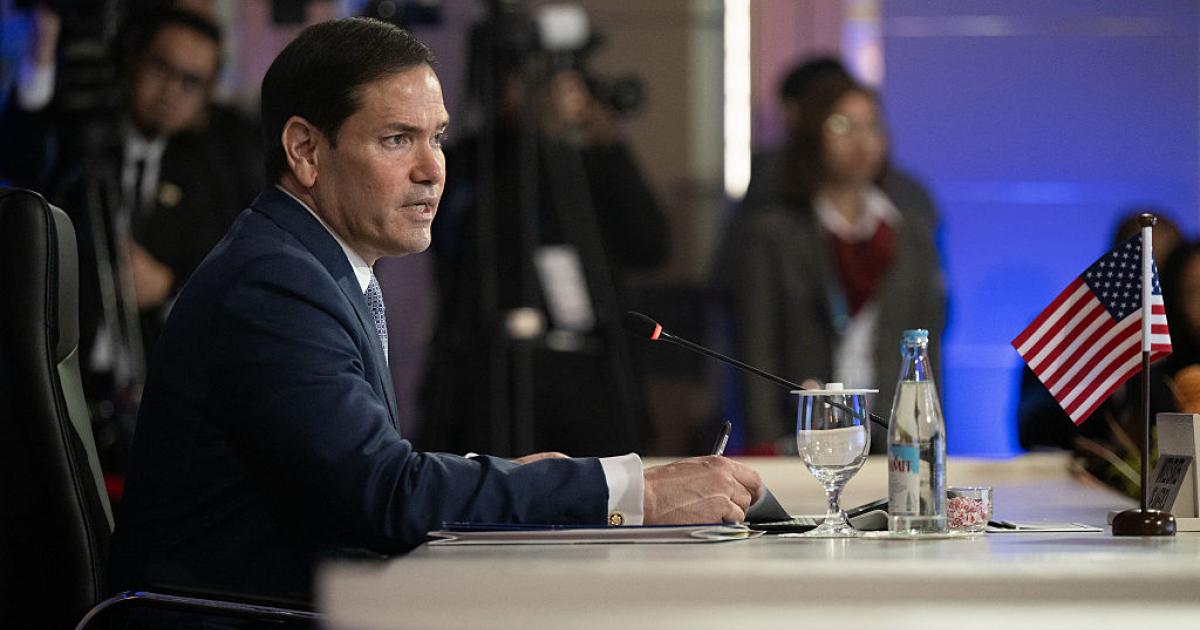
Coinciding with this visit, sources reported the presence of an American delegation with a logistical and security nature in Islamabad, which sparked widespread speculation about the possibility of indirect meetings or preparations for a second round of negotiations between Tehran and Washington. These movements reinforce hopes of reaching initial understandings that could contribute to calming the tense regional situation.
The visit was preceded by a series of telephone discussions held by Araghchi with his Pakistani counterpart, Muhammad Ishaq Dar, as well as with the Chief of Army Staff of Pakistan, General Asim Munir. These contacts addressed the role played by Pakistan as a mediator to bridge the views between the Iranian and American sides under the current circumstances.
The official Iranian news agency confirmed that Araghchi's tour will not be limited to Pakistan, but will also include visits to Muscat and Moscow later. This tour aims to conduct in-depth bilateral consultations and review the Iranian position on what Tehran describes as the war waged by the United States and Israel in the region.
The Pakistani capital has been witnessing logistical and security preparations for several days, in anticipation of the start of a second round of talks that Islamabad seeks to facilitate. However, it remains unclear whether Araghchi will meet directly with the American officials present there or will be content with Pakistani mediation.
For their part, field reporters indicated that the visit may focus on finalizing the agenda for the upcoming negotiations if the concerned parties agree. Through these diplomatic efforts, Pakistan seeks to prevent the region from sliding into a comprehensive confrontation, relying on broad regional and international support.
Despite the diplomatic momentum, the official Iranian position remains characterized by a degree of caution and ambiguity regarding the confirmation of a second round of negotiations. Questions are being raised in political circles as to whether Araghchi's visit is merely a briefing to the Pakistani side or if it is an actual beginning of a new negotiation path.
Reports indicate that there is a possibility of a larger Iranian delegation arriving in the coming days if Araghchi's visit achieves a breakthrough in the wall of crisis. There is also talk about the possibility of high-ranking Iranian figures, such as Parliament Speaker Mohammad Bagher Ghalibaf, participating in advanced stages of the dialogue.
Pakistani efforts face significant challenges, especially in light of the political and economic pressures imposed by Washington, which observers believe may hinder the diplomatic process. Nevertheless, Islamabad continues to rally support from major countries such as China, Saudi Arabia, and Qatar to ensure the continuity of communication channels.
These developments come at a very sensitive time, as regional powers seek to consolidate ceasefires on several active fronts. Tehran considers coordination with Islamabad, Muscat, and Moscow to be a fundamental pillar in its strategy to confront the security and political challenges imposed on it.
Field sources in Tehran confirmed that there is great anticipation for the results of this tour, especially since it comes after a period of diplomatic stagnation. The lingering question is the extent of Pakistan's mediation capacity to persuade both parties to sit down again at the negotiating table amidst mutual distrust.
In conclusion, Araghchi's visit to Islamabad represents a real test of diplomacy's ability to overcome complex field obstacles. The results of these discussions will have a direct impact on the shape of alliances and the required de-escalation in the Middle East region in the coming period.
The Pakistani capital has been preparing for days for a second round of talks between the United States and Iran, amidst intensive diplomatic efforts to prevent a renewed war.
Share your opinion
Diplomatic Movement in Islamabad: Araghchi Begins Regional Tour Amid Signs of Iranian-American Negotiations