







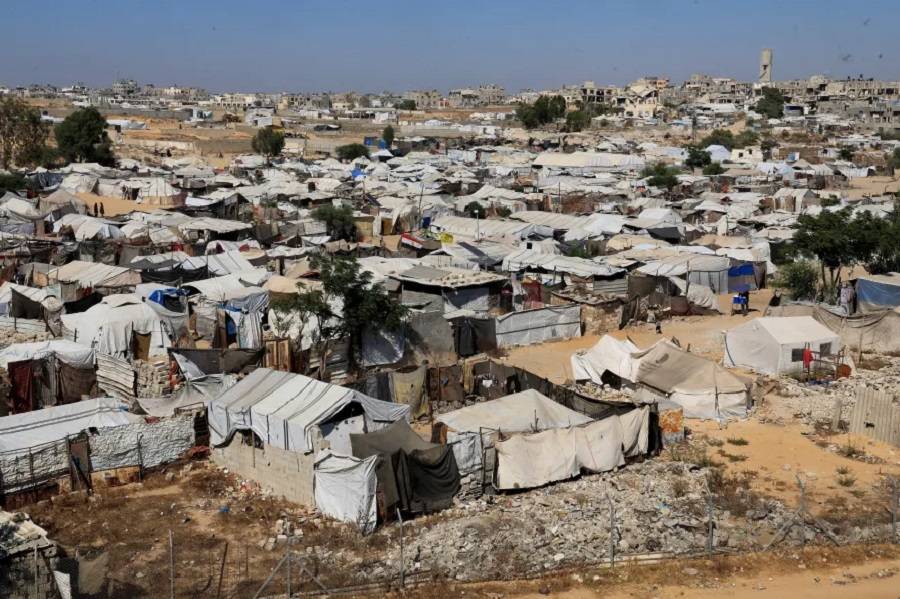
Hospitals in the Gaza Strip, particularly in the northern areas and Gaza City, are witnessing an alarming influx of injuries resulting from rodent bites, a field indicator of deteriorating environmental conditions. Medical sources confirmed that these injuries have affected vulnerable groups including children, the elderly, and chronically ill patients, portending a major health catastrophe threatening thousands of displaced persons in overcrowded camps.
The sources explained that the recorded injuries have caused severe complications for some patients, including severe bacterial infections that, in advanced cases, could lead to limb amputation or permanent deformities. These developments come at a time when the health sector is suffering from a near-total collapse due to systematic targeting and the ongoing blockade that deprives the wounded of necessary treatment.
For his part, Palestinian Minister of Health, Majed Abu Ramadan, warned of the dire consequences of deadly epidemics spreading due to the dangerous escalation in the proliferation of rodents and insects. The minister pointed out that the severe deterioration in the environmental system is a direct result of the aggression and blockade, stressing that the current situation requires urgent international intervention to stop the health and environmental bleeding.
In a related context, the World Health Organization warned that the continued Israeli restrictions on the entry of medical aid hinder any effective health response. The organization's regional director said that the spread of diseases within Gaza does not only represent a local threat, but now threatens the health security of the entire region if the situation is not immediately addressed.
Despite the ceasefire agreement coming into effect on October 10, the occupation continues to shirk its commitments to open crossings. Approximately 2.4 million Palestinians, including 1.4 million displaced persons, face harsh living conditions amid a severe shortage of relief and medical supplies and essential shelter materials.
Husni Muhanna, spokesman for the Gaza Municipality, attributed the causes of this phenomenon to the accumulation of massive quantities of solid waste, which reached 350,000 tons in the city alone. He explained that the destruction of collection mechanisms and the lack of fuel, in addition to preventing access to major landfills, has made streets and the vicinity of tents a fertile environment for rodent breeding.
Muhanna confirmed that the municipality is unable to combat these pests due to the occupation's prevention of the entry of insecticides and poisonous baits for many months. He described the environmental situation in Gaza as a "real catastrophe" that exceeds the capabilities of available local teams, in light of the complete destruction of infrastructure and sewage networks.
Stories of human suffering highlight the magnitude of the tragedy, as displaced person Basel Al-Dahnon, who suffers from diabetes and kidney failure, recounts how he was bitten by a rat while sleeping without feeling it. Due to the loss of sensation in his limbs as a result of his illness, he only discovered the injury after his foot bled, which now puts him at risk of foot amputation due to contamination and inflammation.
The suffering of displaced person Inshirah Hajjaj is no different, as she describes the daily terror she experiences with her children inside the tent due to the spread of rats over blankets and food. Hajjaj says that the fear of contracting diseases now haunts everyone at night, in the absence of the most basic public hygiene facilities or the ability to secure tents from rodent infiltration.
Medically, Dr. Munir Al-Shakhrit, a consultant in medicine and emergency at Al-Shifa Medical Complex, confirmed that the hospital is receiving an increasing number of cases requiring urgent intervention with serums and antibiotics. Al-Shakhrit warned of the risks of contracting "rat-bite fever," a bacterial condition that may require intensive care admission, especially for those with weakened immune systems.
The health system in Gaza faces a drug deficit exceeding 50%, with a severe shortage of essential medical consumables and laboratory testing materials. According to Ministry of Health data, this shortage threatens the lives of thousands of patients who require continuous care, especially in light of the occupation's targeting of hospitals and medical centers.
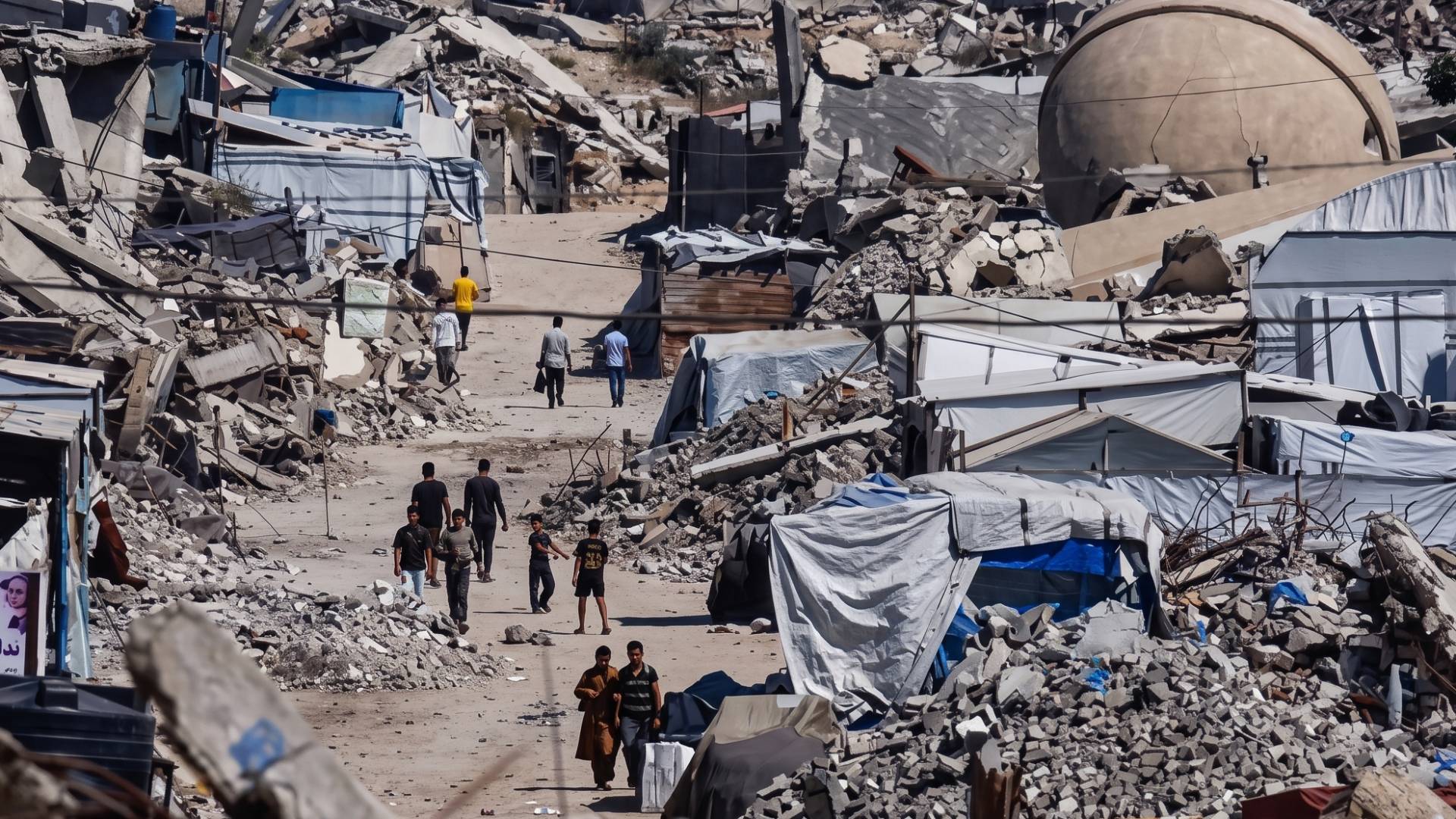
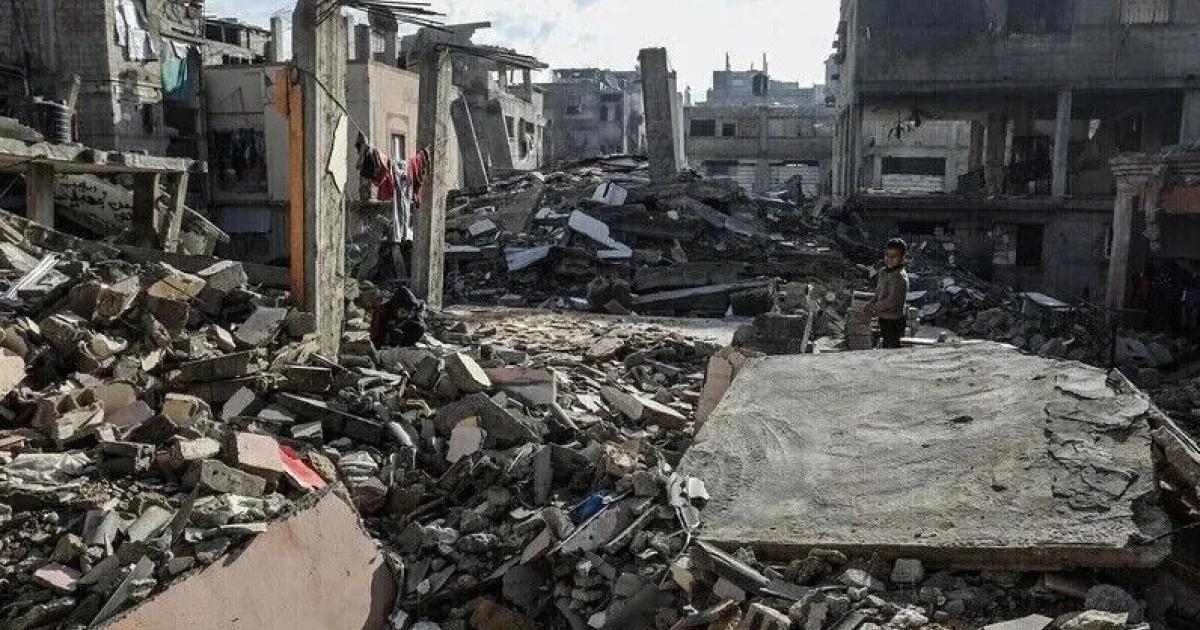
The accumulation of rubble and waste among the tents of displaced persons has created a distorted ecosystem that allows epidemics to multiply away from any health oversight. Civil Defense reports confirm that preventing access to the eastern areas where the main landfills are located has exacerbated the crisis of waste accumulation, which has become ticking time bombs threatening the lives of civilians residing in shelter centers.
This environmental deterioration comes two years after the genocidal war launched by Israel, which resulted in the destruction of 90% of the infrastructure in the Strip. With the continued blockade, environmental solutions remain stalled, awaiting real international pressure that obliges the occupation to allow the entry of equipment, fuel, and materials necessary to combat rodents and epidemics.
In conclusion, the Palestinian displaced person in Gaza remains trapped between the war machine and the deadly diseases that pursue him in his dilapidated tent. International silence regarding the prevention of the entry of pesticides and medical supplies contributes to the exacerbation of this humanitarian catastrophe, which no longer differentiates between an injury from occupation bullets or a rodent bite in the dead of night.
Waste has become a breeding ground for disease-carrying rodents and insects, in the absence of insecticides and poisonous baits due to the blockade and the occupation's refusal to allow their entry into the Strip.

Share your opinion
Gaza faces environmental catastrophe: Rodents invade displaced persons' tents, increasing rat bite injuries