







The results of a recent survey conducted by the 'Arab Barometer' project revealed dramatic shifts in public opinion trends in the Middle East, with data showing an unprecedented decline in the popularity of the United States and its Western allies. The results clarified that the devastating war on the Gaza Strip, and the subsequent regional escalation, were the primary drivers of this reversal in Arab popular attitudes.
Research sources reported that citizens in countries such as Egypt, Iraq, Jordan, Lebanon, Morocco, Palestine, Syria, and Tunisia now view Washington as a morally biased party that undermines international law. This sentiment has led to a loss of trust in the regional system led by the United States for decades, and a search for other international alternatives.
In contrast, competing international powers such as China and Russia recorded a significant increase in popular acceptance levels, as they are now seen as more balanced parties in protecting regional security. The survey indicated that Arab peoples are increasingly inclined to prefer Chinese and Russian policies over American ones in the areas of protecting freedoms and supporting just causes.
Looking at the numbers, the policies of US President Donald Trump received very little support in most Arab capitals, with satisfaction rates not exceeding 12% in Jordan and Palestine. This widespread rejection is attributed to the absolute military and political support provided by the American administration to the Israeli occupation in confronting the Palestinians.
Regarding Asian powers, China's popularity reached record levels in 2025, reaching 69% in Tunisia and 58% in Iraq. Respondents believe that Beijing represents a rising power that can balance Western bias, even though it does not directly intervene in the complex military conflicts in the region.
As for Russia, the popularity of its President Vladimir Putin saw a qualitative leap despite the ongoing Ukrainian crisis, with his support rising by 33 points in Morocco and 20 points in Jordan. This rise reflects a popular Arab desire to see a multipolar world that ends the sole American dominance over the region's resources.
Regarding the Iranian role, the survey recorded a remarkable shift in the perception of the policies of the late Supreme Leader Ali Khamenei, especially after direct confrontations with the occupation. Despite continued concerns about the Iranian nuclear program, Tehran's stances on the Palestinian issue significantly raised its standing in the Arab street.
Results confirmed that the Israeli occupation remains the least popular state overall, with its supporters not exceeding 5% in most surveyed countries. The Arab street links the crimes committed in Gaza with the 'moral bankruptcy' of the international system that failed to stop the aggression or hold those responsible accountable.
The study touched upon the role of the European Union, which received slightly better evaluations than Washington, but still suffers from the accusation of bias. The perception of European countries varied based on their positions on Palestine, with Spain and Ireland receiving greater appreciation compared to Germany, whose popularity declined due to its military support for the occupation.
Researchers warned that Washington's continued disregard for Arab public opinion could lead to the loss of its strategic partners among governments. Despite the authoritarian nature of some regimes, Arab leaders fear popular protests, making public cooperation with the United States an increasing political risk.
The survey also showed that the United Nations was not immune to criticism, with about half of respondents believing it is biased towards Israel and more committed to defending it than defending the rights of Palestinians. This impression reinforces the idea of the collapse of the international legal and humanitarian system established after World War II.
Regarding future prospects, the results indicated that any improvement in Washington's reputation is contingent on finding a just and comprehensive solution to the Palestinian-Israeli conflict. Without a real change in American foreign policy, the region is heading towards a wider embrace of the Eastern axis led by China and Russia.
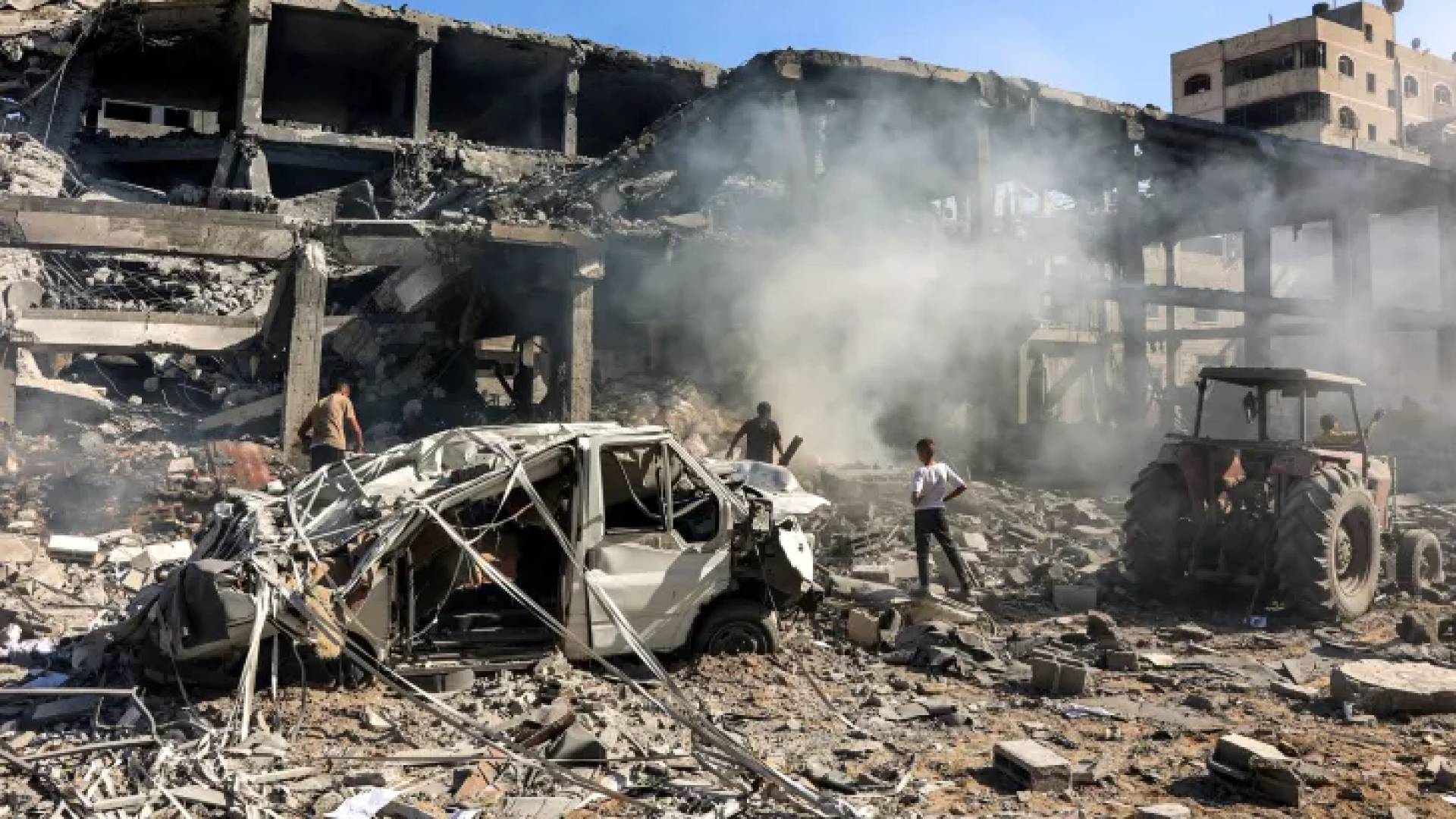
The report concluded that Gaza has become the primary moral standard by which Arabs judge the great powers, which explains why Washington's adversaries maintain a high standing. The failure to enforce international law in the occupied territories has completely undermined the Western narrative about human rights and democracy in the eyes of the Arab citizen.
In conclusion, this survey presents American policymakers with a harsh reality: military power is no longer sufficient to ensure influence. Restoring trust requires concrete steps to end the occupation and rebuild what the war destroyed, otherwise, the concession of the Arab world to international competitors will become an inevitable reality.
Most of Arab public opinion believes more than ever that the United States and Europe have failed the Palestinians and failed to enforce international law.




Share your opinion
Arab Barometer Survey: Historic Collapse of Washington's Popularity and Rise of China and Russia's Influence in the Region