






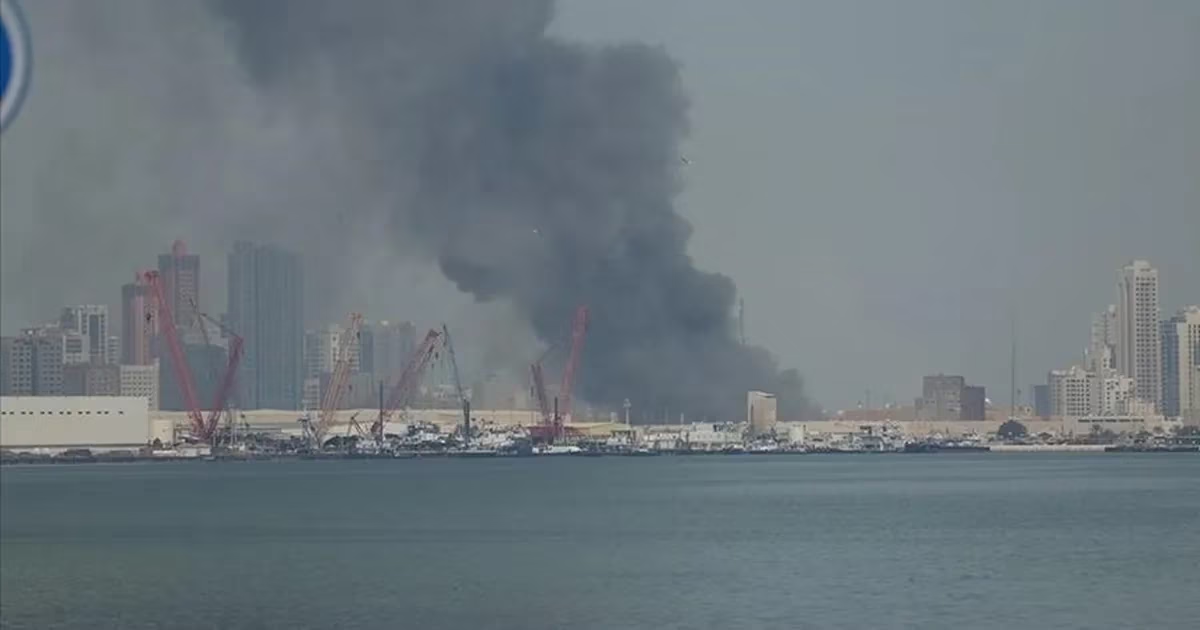
Several Gulf countries were subjected to a series of simultaneous military attacks carried out by Tehran early Wednesday morning, leading to widespread fires in vital facilities and direct targeting of maritime navigation. The escalation included drone and cruise missile strikes that hit Kuwait International Airport and industrial facilities in Bahrain, in addition to the interception of aerial attacks over Saudi territory.
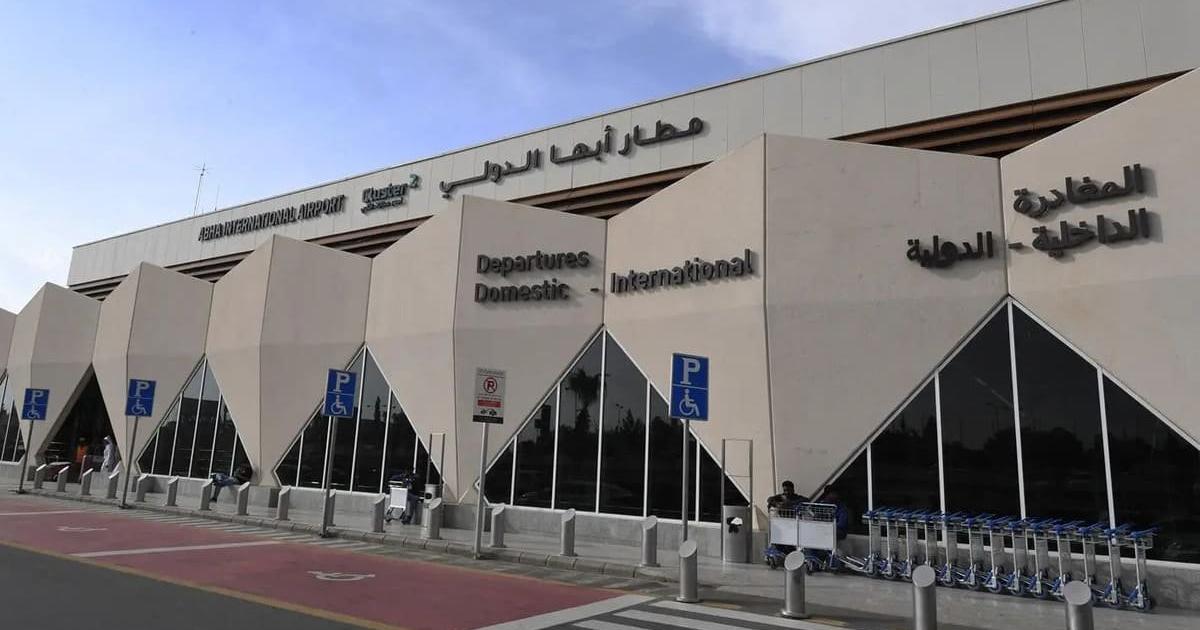
In Kuwait, the Directorate General of Civil Aviation confirmed a massive fire broke out in the fuel tanks belonging to 'Kafco' company within the premises of Kuwait International Airport. Sources explained that the attack was carried out by suicide drones, causing significant material damage to the aircraft fueling infrastructure, while firefighting teams managed to control the flames without any casualties.
In Manama, the Bahraini Ministry of Interior announced it dealt with a fire that erupted in a major industrial facility as a result of what it described as direct Iranian aggression. A state of security alert prevailed in the country after sirens were activated several times during the early morning hours, with authorities urging residents to adhere to instructions and head to safe areas.
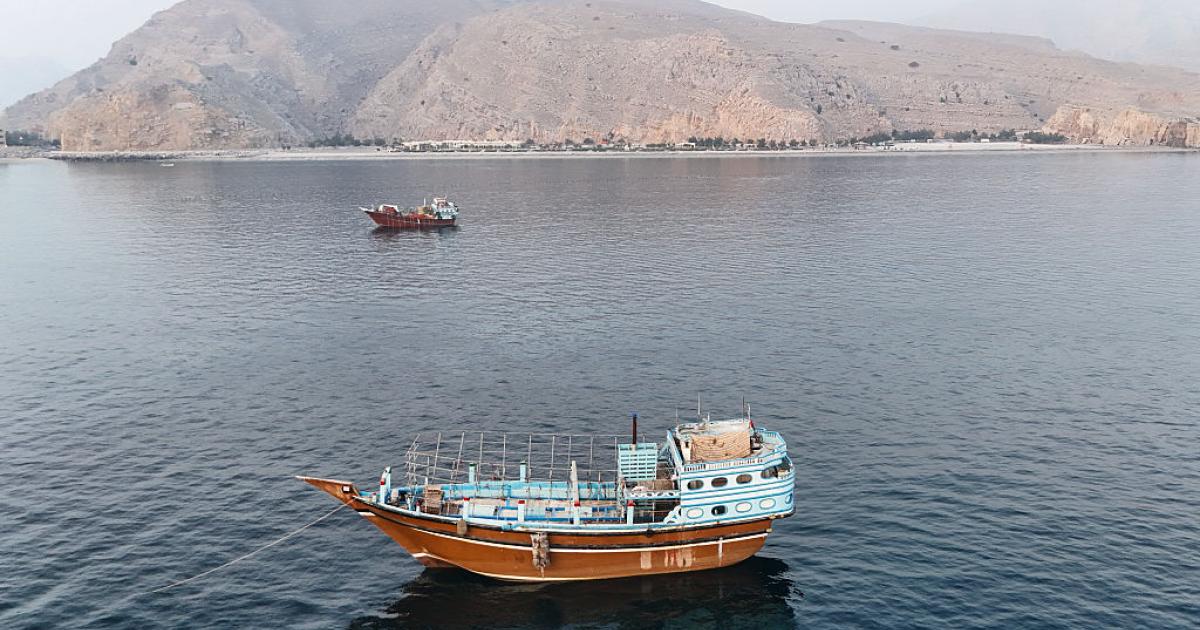
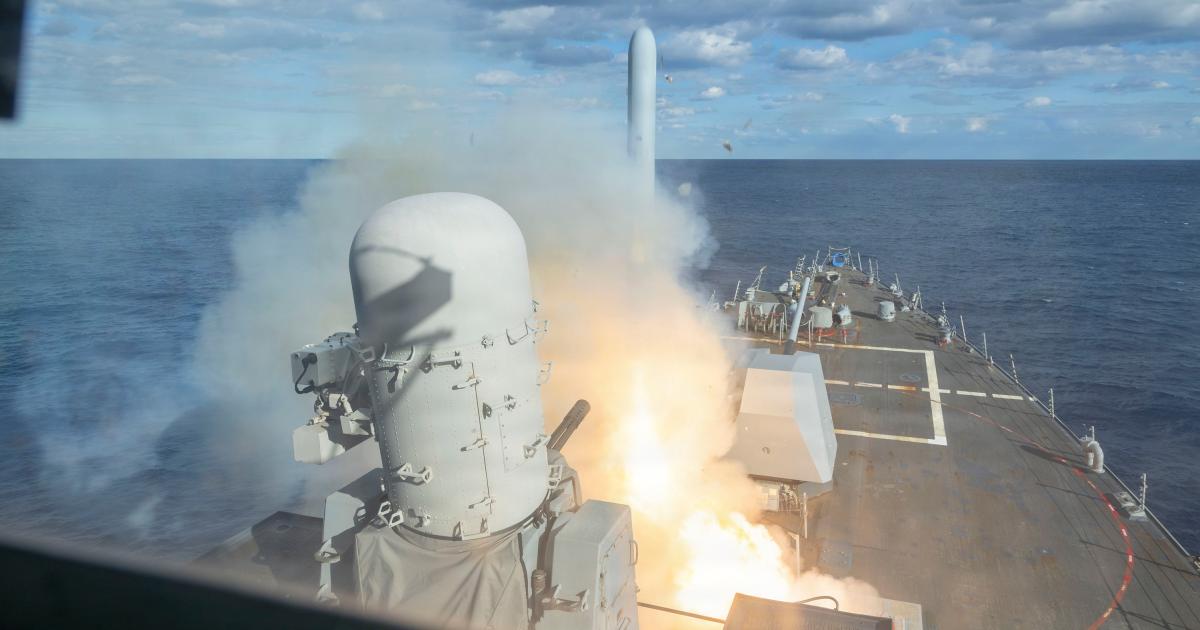
On the maritime front, the Qatari Ministry of Defense revealed that its territorial waters were subjected to an attack by three cruise missiles launched from the Iranian side, with air defenses successfully intercepting two of them. The ministry confirmed that the third missile struck the oil tanker 'Aqua 1', chartered by Qatar Energy, necessitating the urgent evacuation of its entire crew.
International shipping sources reported that the targeted tanker sustained a direct hit on its left side 17 nautical miles off the coast of Doha. The competent authorities in Qatar initiated their technical investigations to assess the damage, while Qatar Energy confirmed that the incident did not cause any oil spill or environmental damage in the surrounding maritime area.
In the same context, the Saudi Ministry of Defense announced that its forces managed to intercept and destroy two drones that were targeting areas in the Kingdom early today. The ministry did not disclose the specific locations that were targeted, but indicated that these attacks are part of a series of ongoing aggressions that have threatened the security and stability of the region for weeks.
These field developments come on the thirty-third day of the open military confrontation between Iran and the Israeli-American coalition. These attacks are considered the most violent since the conflict began last February, with civilian and economic facilities in Gulf states now within the direct targeting circle of mutual military operations.
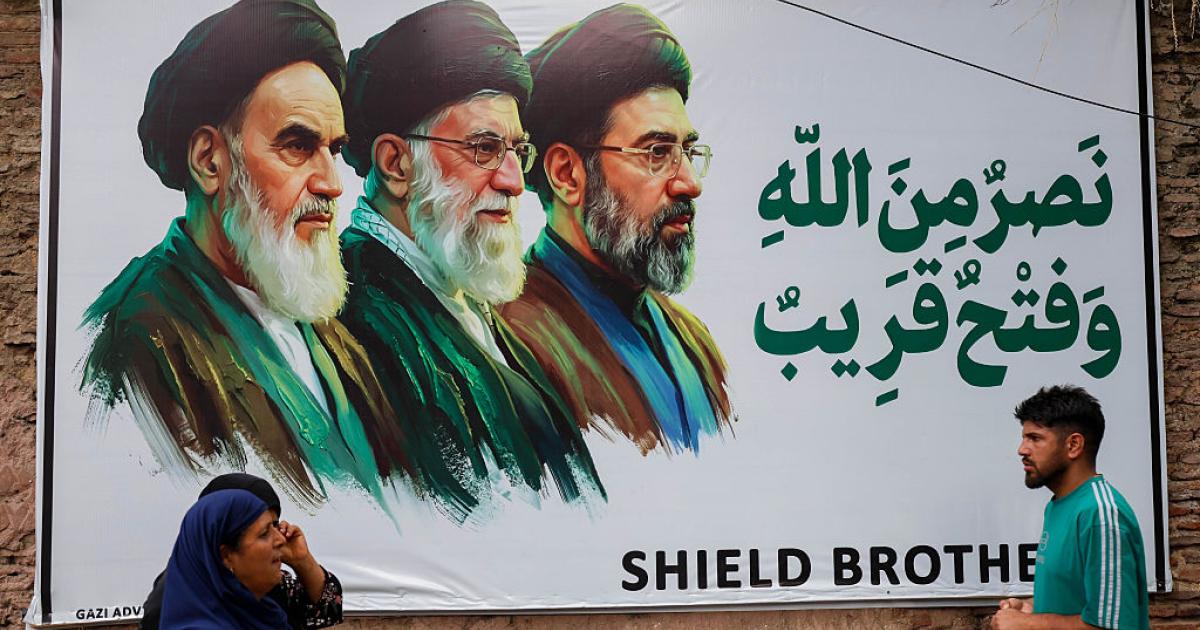
For its part, Tehran justified these attacks as a legitimate response to military operations and assassinations that targeted its senior security and political officials, including the former Supreme Leader. Iranian sources claim that their strikes focus on bases and interests serving the American presence in the region, holding Washington and Tel Aviv responsible for the collapse of regional security.
The region is experiencing a state of international anticipation and concern regarding the safety of global energy corridors amid the targeting of oil tankers and international airports. Maritime navigation bodies have called on all vessels transiting the Gulf to exercise the utmost caution, amid expectations of further military escalation that may affect other economic sectors in the coming days.
The operations target American bases and interests in the region in response to ongoing aggression that has targeted senior leaders.

Share your opinion
Iranian Military Escalation Targets Vital Facilities and Oil Tankers in Gulf States