







Diplomatic relations between the US administration and its Western allies have entered a new phase of tension, following sharp criticism directed at France by Donald Trump. Trump stated that Paris had shown 'very weak cooperation' in military operations against Iran, reflecting a growing gap in security coordination between the two parties.
This American dissatisfaction came against the backdrop of the French authorities' decision to ban military aircraft carrying equipment and ammunition bound for Israel from crossing its airspace. Sources reported that this decision included specific cases, among them an Israeli aircraft transporting American military shipments at the end of last March.
The French stance caused widespread logistical complications for US forces, which typically rely on French airspace as the shortest route to the Middle East. American aircraft, including strategic bombers, were forced to take alternative, longer routes through Southern Europe and the Strait of Gibraltar, increasing operating costs and flight hours.
For its part, the French presidency maintained its position, asserting that this measure is consistent with its consistent policy since the outbreak of the current conflict. Official sources clarified that Paris clearly distinguishes between providing general logistical support and direct involvement in combat operations that it does not fully endorse.
Paris indicated that it had previously allowed American planes to land at the 'Istres' base in the south of the country, but this was conditional on guarantees that they would not participate in offensive strikes. French circles expressed surprise at Trump's statements, considering them to lack accuracy in describing the true French position.
France does not appear to be alone in this approach, as Spain faced similar American criticism after closing its airspace to aircraft participating in military operations. Madrid refused the use of its bases in Andalusia, prompting Trump to threaten punitive economic measures against it, signaling a sharp division within the Western bloc.
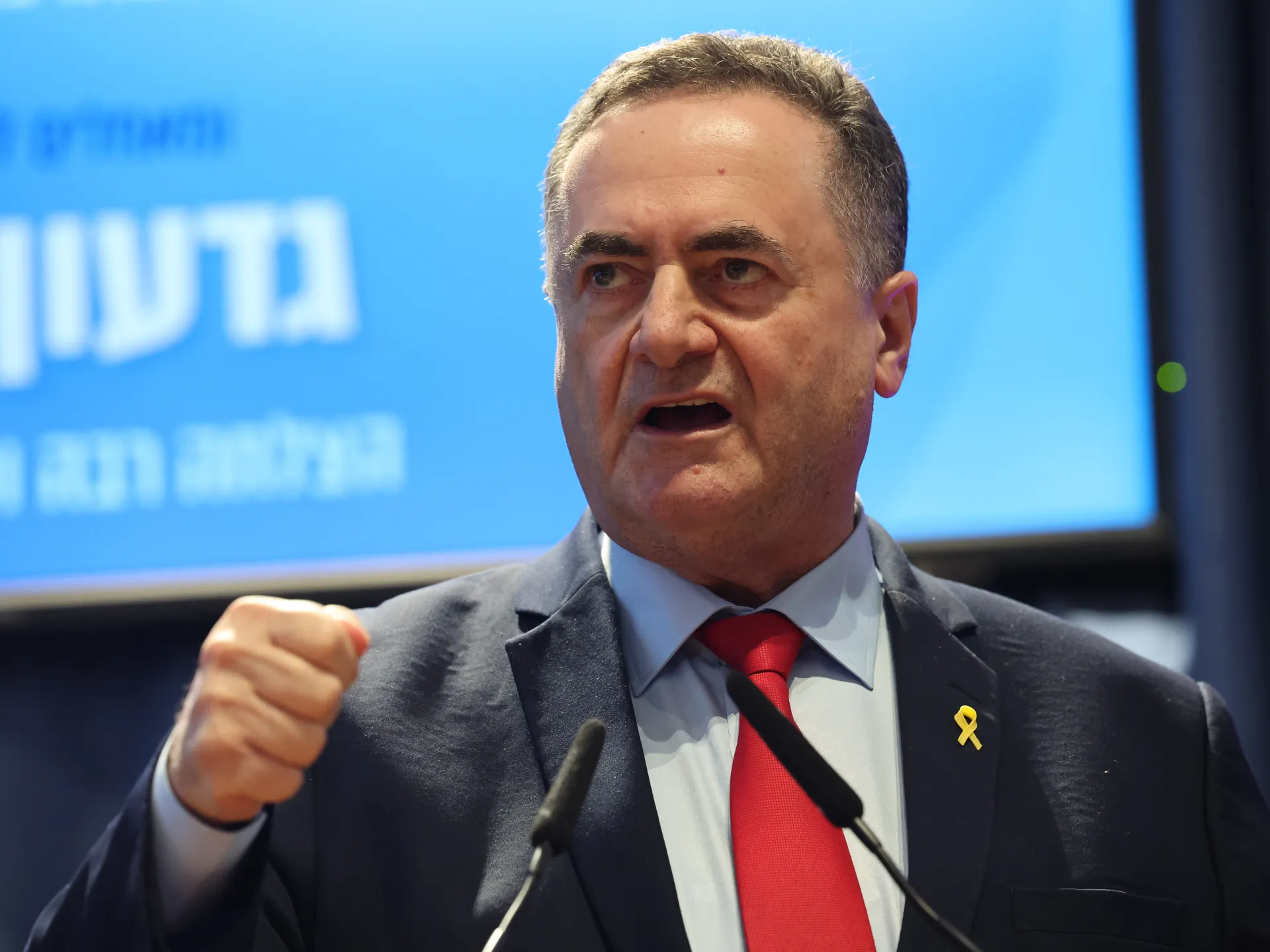
In a related context, French-Israeli relations are experiencing an unprecedented deterioration, with the Israeli Ministry of Defense announcing a halt to all its defense purchases from France. This escalatory step reflects a radical shift in Tel Aviv's view of Paris, which it no longer classifies as a reliable partner in security matters.
At the heart of the dispute between Paris and Tel Aviv are pivotal political decisions, most notably France's official recognition of a Palestinian state in 2025. Benjamin Netanyahu's government considered this decision a hostile step aimed at exerting unacceptable international pressure on Israel under the current circumstances.
Other French measures also contributed to deepening the rift, such as preventing the passage of military shipments and demanding restrictions on arms exports to Israel. Additionally, the exclusion of Israeli companies from defense exhibitions held on French soil sparked widespread anger in Israeli political and military circles.
Despite diplomatic attempts led by French Foreign Minister Jean-Noël Barrot to mend relations, his Israeli counterpart Gideon Sa'ar showed no tangible response. Israel continues its military operations in southern Lebanon, ignoring repeated French calls for de-escalation and adherence to diplomatic channels.
In a related context, Trump's statements about the potential withdrawal of US forces from the region caused widespread concern among European allies. Trump called on other countries to take responsibility for securing their own energy supplies, indicating that protecting navigation in the Strait of Hormuz is no longer a top priority for Washington.
These developments embody a phase of reshaping international balances, where France attempts to balance its principles related to international law with its traditional alliances. Amidst the escalatory approach of Washington and Tel Aviv, the European position appears divided, weakening the Old Continent's ability to influence Middle East issues.
France showed very weak cooperation in military operations, and its decision to ban the passage of supplies is causing significant logistical complications.

Share your opinion
Escalating Diplomatic Crisis: French Air Restrictions Anger Washington and Deepen Rift with Israel