






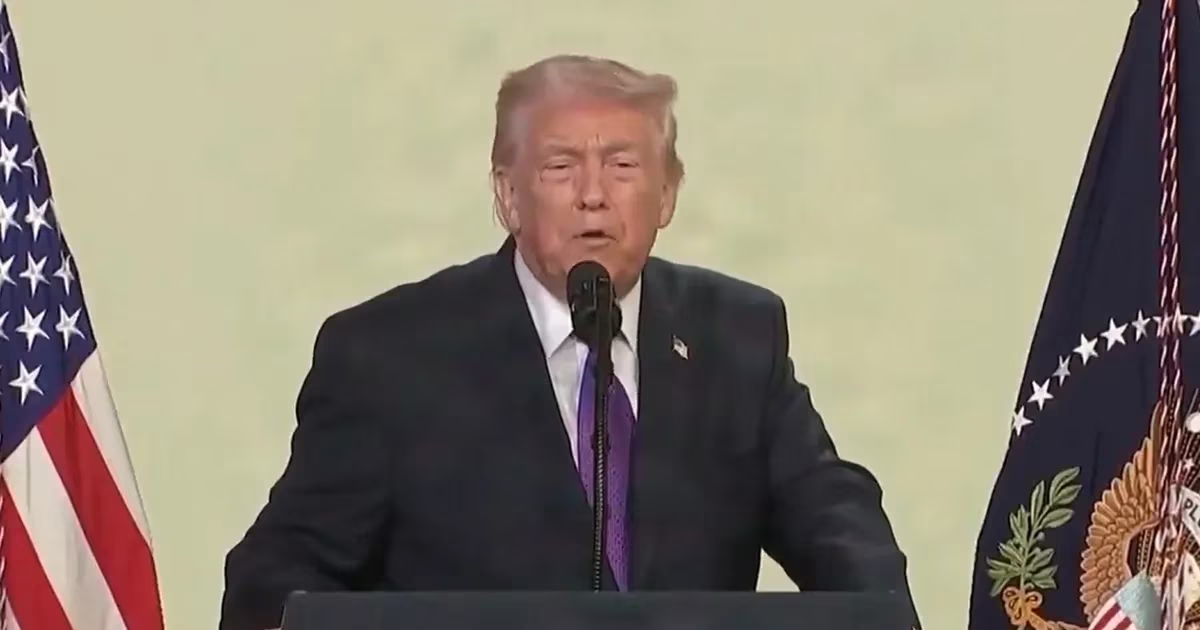
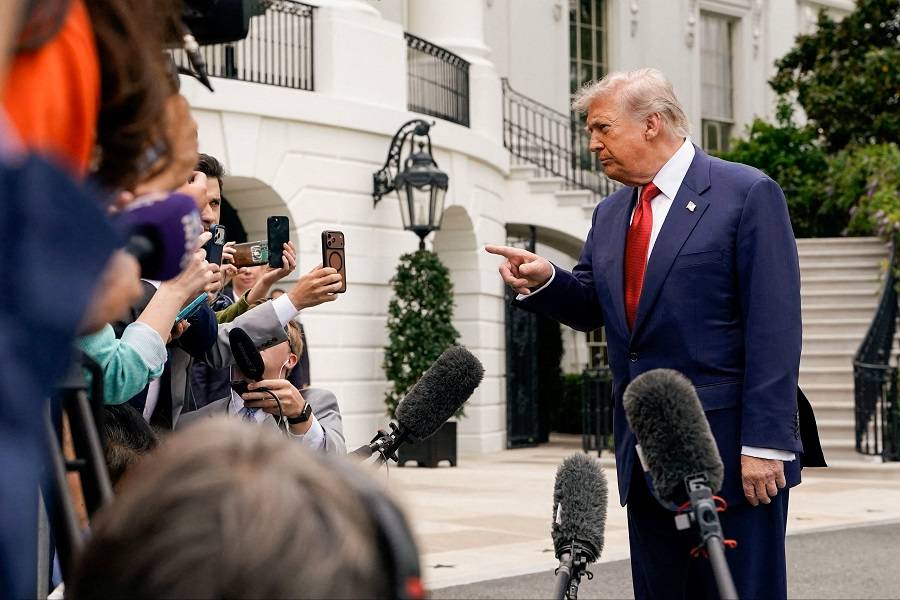
Questions are escalating regarding the economic and political cost of the war waged by the administration of US President Donald Trump against Iran, especially after statements by White House spokeswoman Karoline Leavitt, in which she indicated the President's interest in inviting Arab countries to contribute to funding these operations. These statements reflect an American tendency to burden regional allies with the costs of a military confrontation whose timing or ultimate goals they were not consulted on.
Observers believe that the young spokeswoman's lack of political experience may be the reason for the spontaneity of this proposal, but the message has clearly reached wealthy Arab capitals about the need to prepare for imminent American financial demands. This step comes in the context of the 'extortion' policy previously adopted by Trump, but it has now moved from the realm of investments and military purchases to the realm of funding direct and illegal wars from the perspective of international law.
While the White House insists on proceeding with the escalation, reports indicate a sharp division within American research and security circles; 'Foreign Affairs' magazine confirmed that only 5% of experts supported launching this war. Moreover, a very small percentage, not exceeding 1%, believes that this military clash will lead to any real democratic change within Iran, which reinforces the hypothesis that it is a 'personal war' for the President.
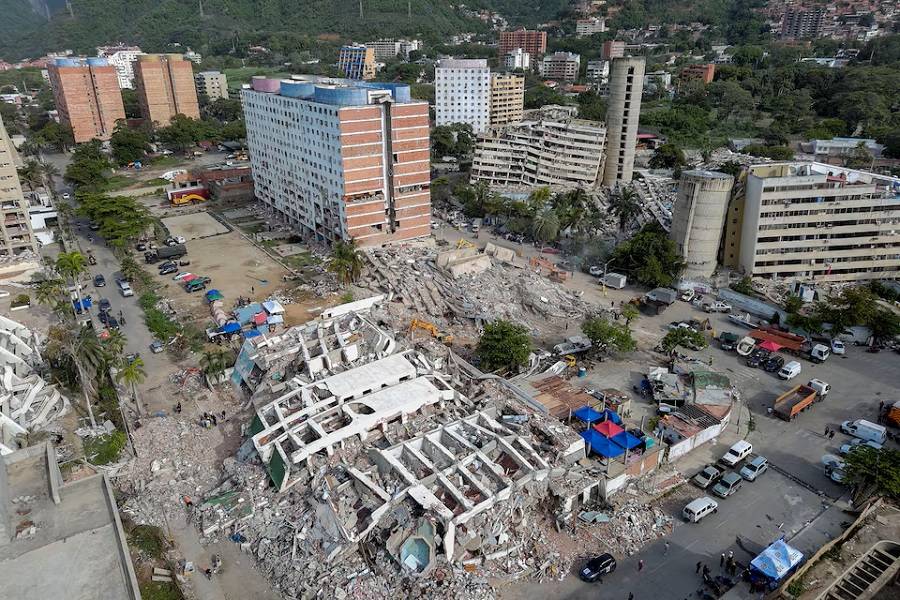
On the ground, the repercussions were not limited to the American side but extended to Washington's allies in the region, where the UAE was subjected to more than 2300 attacks by Iranian missiles and drones. Despite this military pressure, divergent Gulf positions emerge; while Abu Dhabi and Riyadh push to ensure the complete neutralization of the Iranian nuclear program, countries like Oman and Qatar adhere to the path of diplomacy and mediation to avoid a comprehensive regional explosion.
Internationally, Trump finds himself increasingly isolated, as NATO countries and the G7 have distanced themselves from providing explicit support for this military adventure. The US Secretary of State expressed his regret for the absence of this support during the last meeting in France, which Trump met with a series of public insults to his traditional allies, deepening the rift across the Atlantic.
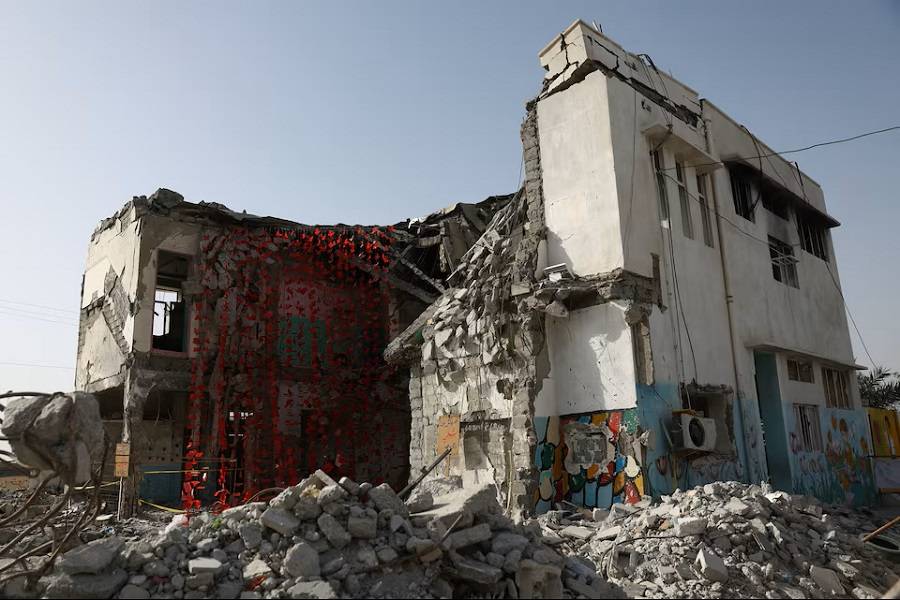
Trump's posts on 'Truth Social' raise international legal concerns, as he explicitly threatened to destroy power plants, oil wells, and desalination plants in Iran if a quick agreement is not reached. These threats, if implemented, constitute full-fledged war crimes targeting civilian infrastructure, which could expose the US administration to international legal accountability in the future.
Amid escalating popular discontent within the United States under the slogan 'No to Kings,' Trump faces internal pressures due to the economic repercussions of the war on citizens' daily lives. The massive demonstrations witnessed in American cities recently reflect widespread rejection of the individualistic approach to managing the country's affairs and dragging the American military into conflicts that do not serve supreme national interests as much as they serve narrow political agendas.
Sources indicate that Washington's attempts to secure the Strait of Hormuz by inviting international ships for military escort have received little response, recalling previous failed experiences in the 1980s. The lack of international enthusiasm to participate in this 'adventure' puts Trump and Netanyahu in direct confrontation with Tehran without real international cover, increasing the likelihood of the region sliding into unprecedented disasters.
In conclusion, it appears that the current US administration is betting on a brinkmanship policy to achieve quick political gains before the deadlines it has set expire, but the reality on the ground and widespread international opposition indicate greater complexities. The insistence on completing this war recklessly, and in close coordination with the Netanyahu government, puts the stability of the Middle East and the global economy at stake, in the absence of any clear vision for the post-destruction phase.
We are facing a catastrophic precedent in that Trump seeks to make the billion-dollar daily cost of this war a 'collective' effort in which others participate as if it were a tribute.
Share your opinion
Trump's Personal War: A Billion-Dollar Gamble and Threats to Erase Iranian Infrastructure