







Media sources close to decision-making circles in Tehran have revealed a list of what they described as strict conditions to end the open military confrontation that began on February 28. These moves come amid unprecedented escalation, including direct confrontations and assassinations targeting the leadership hierarchy of the Islamic Republic.
The Iranian vision included nine fundamental demands, prioritizing the complete and full withdrawal of American forces from the Middle East and the dismantling of all their military bases. Tehran believes that the foreign military presence is the primary driver of instability in the region.
On the ground, Tehran stipulated an immediate cessation of all hostile operations and attacks targeting Iranian territory, in addition to an end to the aggression against Lebanon and the forces of the Axis of Resistance. This condition reinforces the concept of collective defense adopted by Iran's allied forces in the region.
Economically, Iran demanded a comprehensive lifting of all international sanctions imposed on it without reservation or condition, with the necessity of immediate release of all frozen financial assets in global banks. This step is considered a fundamental pillar for any future political understanding aimed at ending the state of hostility.
In a move to enhance its naval influence, the conditions included imposing a new economic system for navigation through the strategic Strait of Hormuz, making it fully subject to Iranian sovereignty. This demand aims to secure waterways according to Tehran's security vision and ensure its vital interests.
Legally and politically, Tehran insists on the necessity of the international community recognizing the United States and the Israeli occupation state as 'aggressor' parties in the ongoing war. It also demanded significant financial compensation for the human and material losses it incurred as a result of recent military operations.
The list of conditions did not exclude thorny regional issues, as Iran demanded that the United Arab Emirates cease its claims regarding the three disputed islands. Tehran also hinted at the option of withdrawing from the Nuclear Non-Proliferation Treaty, considering it a sovereign right that follows its national interests.
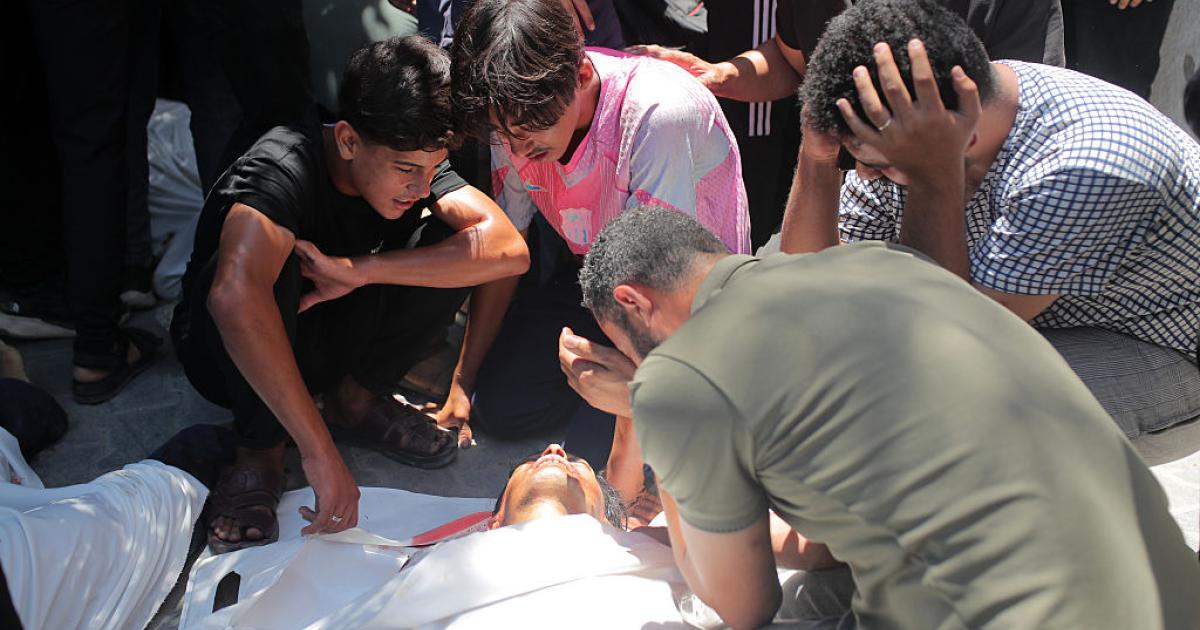
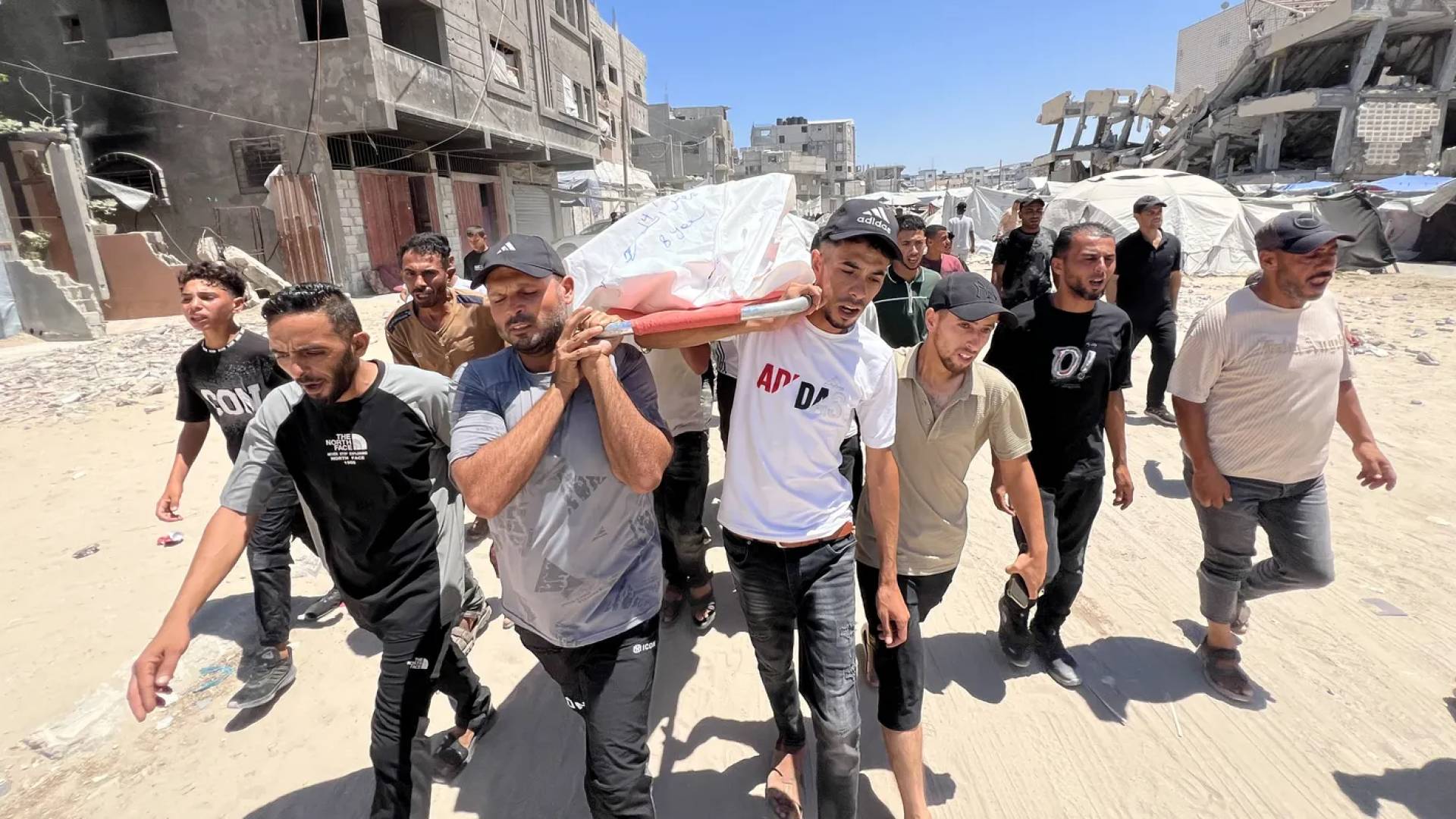
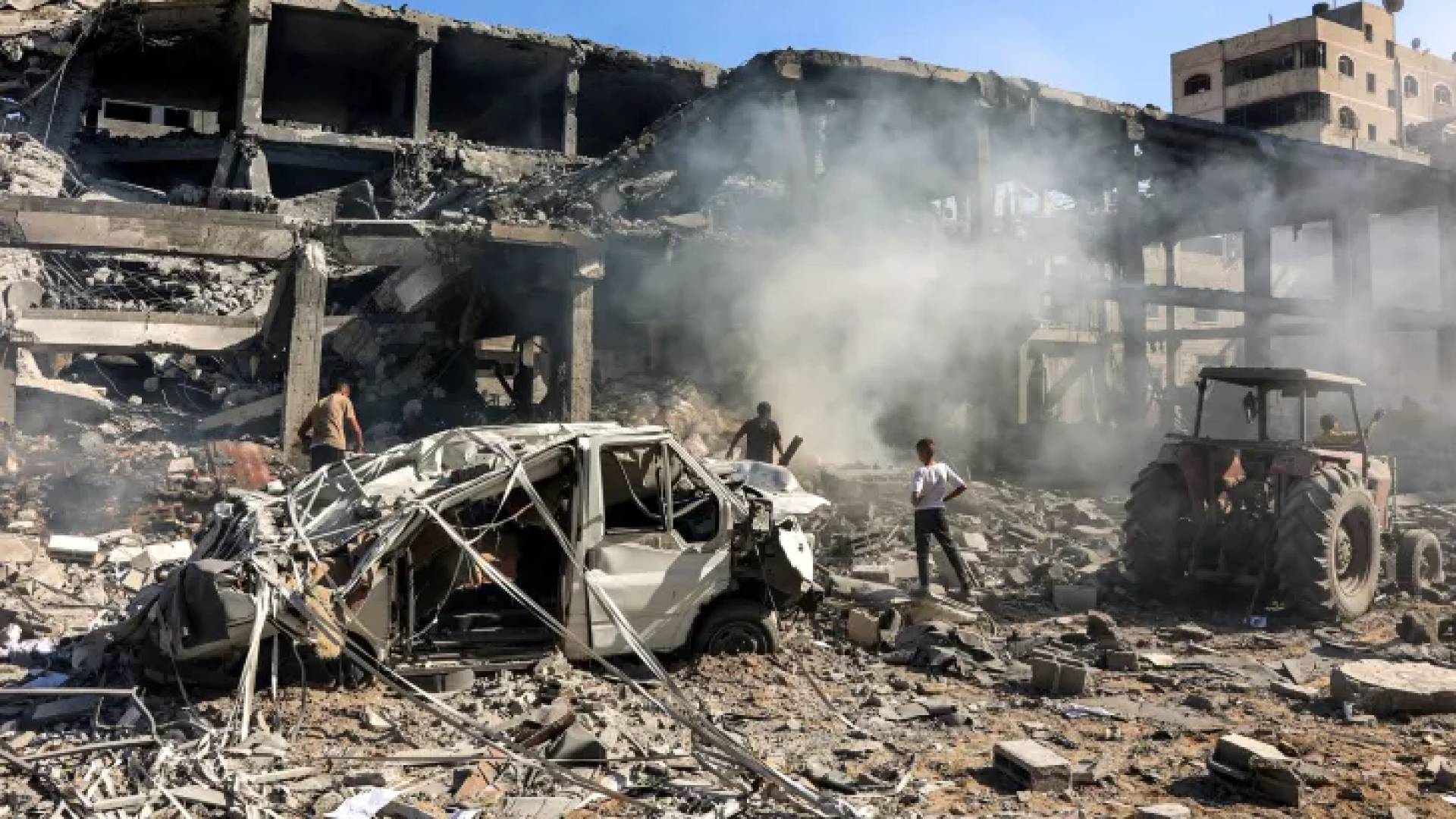
Regarding the Gaza Strip, urgent questions arise about the extent of Tehran's commitment to linking the fate of de-escalation to an end to the aggression against the Strip. Observers indicate that the concept of 'unity of fronts' compels Iranian decision-makers not to separate fronts in any potential settlement agreement with international powers.
Specialized sources on Iranian affairs stated that any agreement that does not start with a comprehensive and complete ceasefire will be an incomplete agreement and will not lead to sustainable stability. The sources stressed that Iran views the resistance fronts from Palestine to Lebanon as a single, indivisible bloc.
The sources clarified that excluding any arena, especially Gaza, from de-escalation understandings will keep the fuse of explosion lit and threaten the collapse of any agreement in early stages. The Iranian position sees the security of the region as an indivisible unit, and that addressing the roots of tension requires a comprehensive regional vision.
Historically, the confrontation has witnessed dramatic shifts since early 2024, starting with the targeting of the Iranian consulate in Damascus and culminating in the assassination of Hamas political bureau chief Ismail Haniyeh in the heart of Tehran. These events transformed the conflict from a 'shadow war' to a direct and open confrontation with missiles and drones.
Military operations launched by the occupation and the United States have continued since last February, which, according to reports, have led to the death of hundreds of people, including Supreme Leader Ali Khamenei. In response, Tehran continues its military responses by targeting what it describes as American and Israeli sites and interests in the region.
Any de-escalation that does not include all parties of the resistance front may be considered insufficient to achieve real stability, and a ceasefire must include Gaza as an essential part.

Share your opinion
Iranian Conditions for Ending the Confrontation: Comprehensive American Withdrawal and Linking Fate to the Gaza Strip