






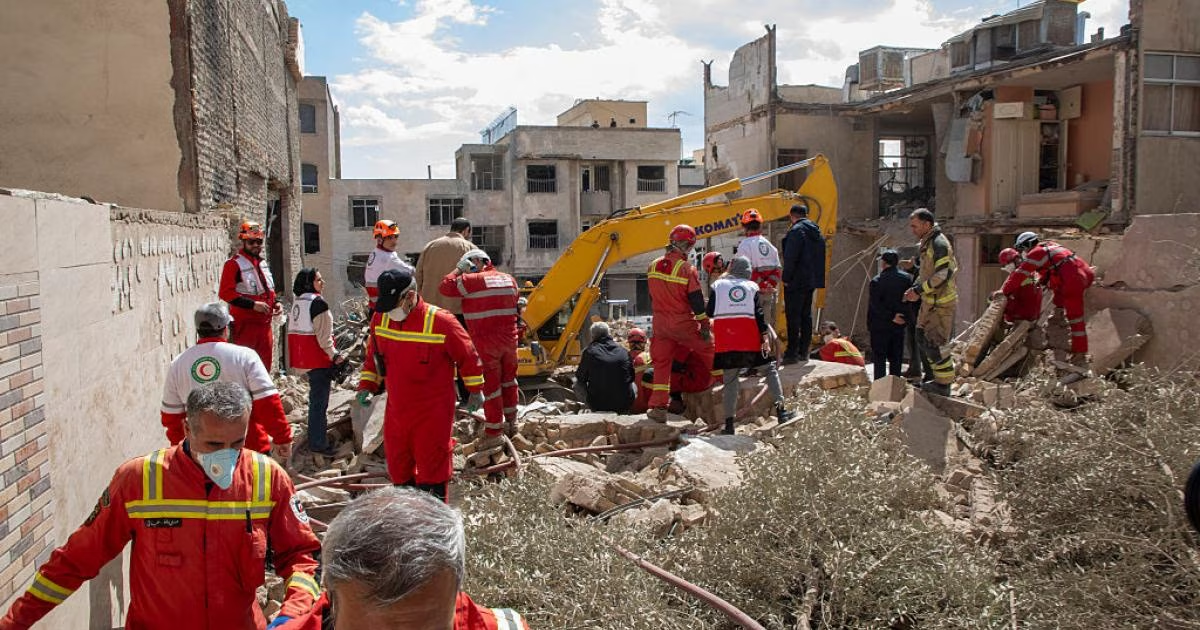
The Iranian arena witnessed a dangerous military escalation on Tuesday, as US and Israeli forces launched a series of intense air raids targeting the Markazi and Zanjan provinces in the west of the country. These attacks resulted in the death of 14 people and the injury of 15 others with varying degrees of wounds, a field development that reflects the intensity of the direct confrontation between Tehran and its international and regional adversaries.
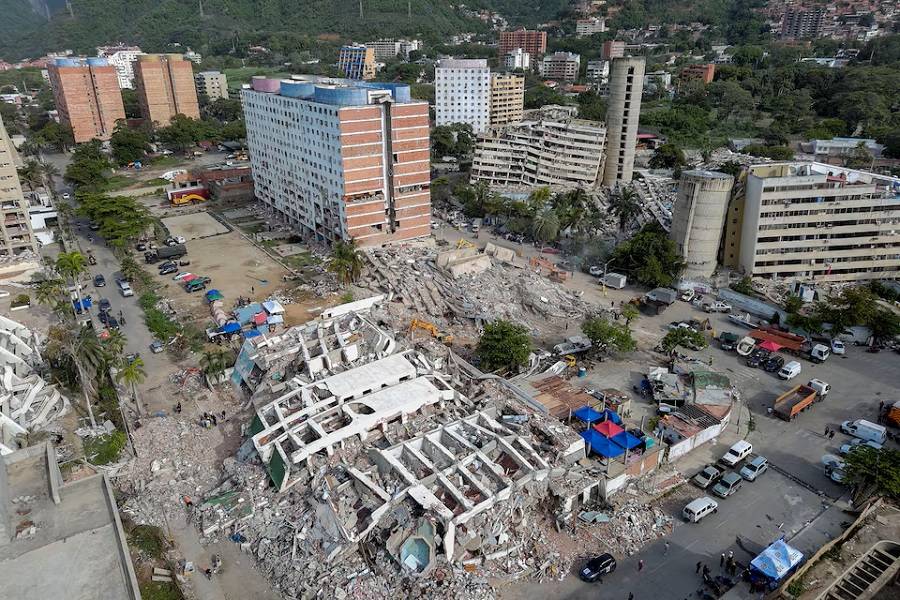
Official Iranian sources confirmed that the aerial bombardment in Markazi province focused on populated residential areas, leading to the complete collapse of four buildings and severe damage to four other facilities. The night strikes particularly targeted the 'Mahallat' area, where rescue teams continue to work to extract victims from under the rubble amidst a state of security alert.
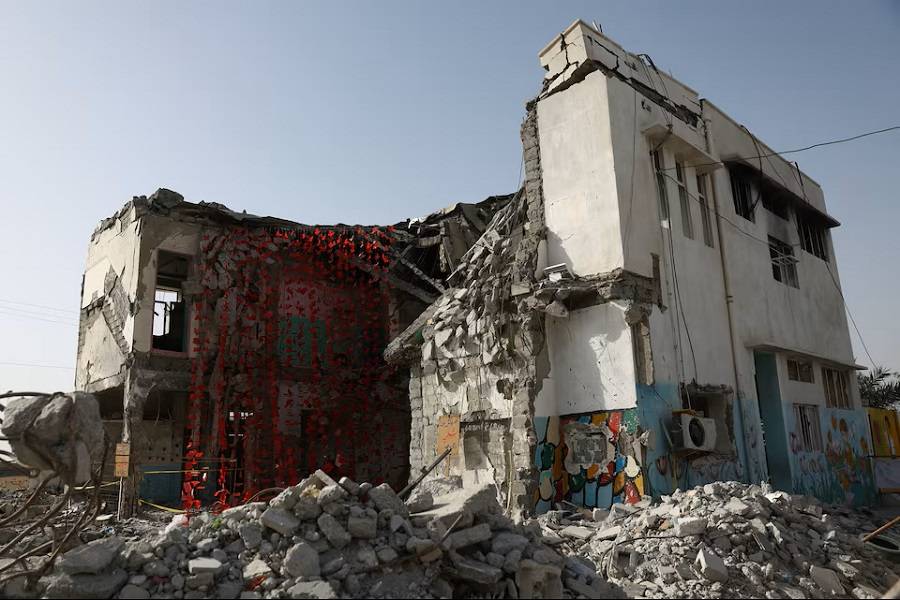
In Zanjan province, the bombardment hit the historic 'Grand Mosque' dating back to the 19th century, resulting in the death of three people and the destruction of large parts of the archaeological landmark. Reports indicated that the strike directly hit the meeting hall and the library adjacent to the main courtyard, as well as causing significant structural damage to the minarets of the historic mosque.
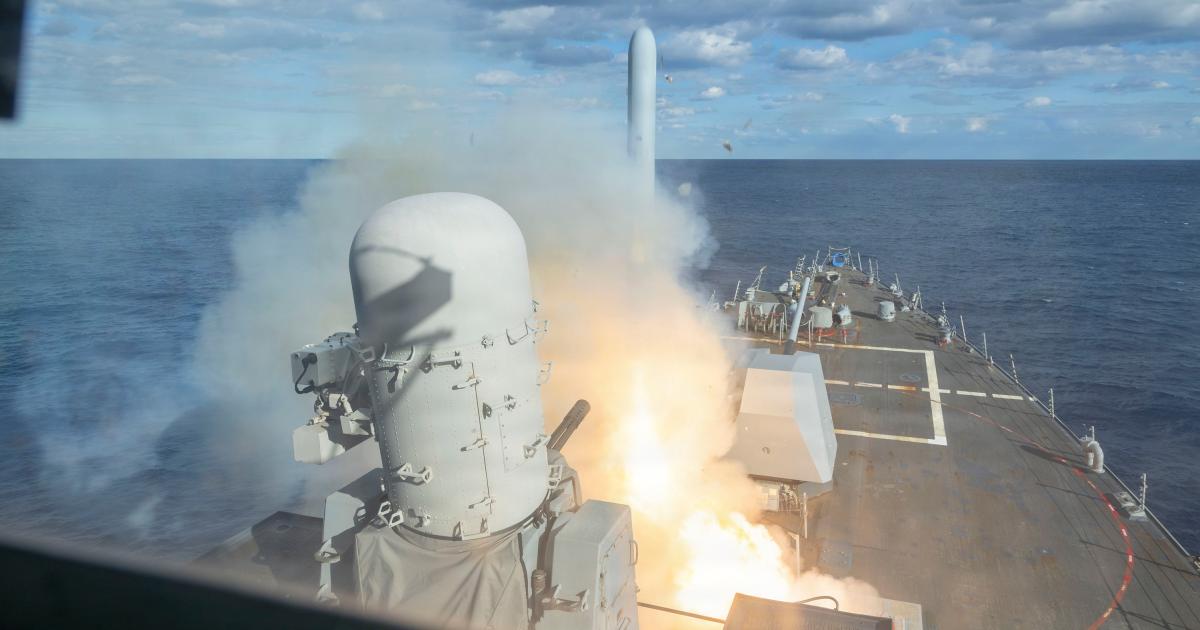
Military observers believe that the pattern of recent operations indicates the US use of heavy munitions and bunker-buster bombs, especially in targeting ammunition depots in Isfahan. This escalatory trend clearly aims to neutralize Iranian defensive capabilities and strike infrastructure related to sensitive military industries deep within Iranian territory.
These field developments intersect with Western intelligence reports indicating that the US administration is seriously considering options to control highly enriched uranium stockpiles within Iranian facilities. The intensification of raids on ballistic missile facilities appears to be a 'fire preparation' preceding potential ground movements carried out by elite units of the US Army.
Proposed scenarios include the possibility of intervention by the 82nd Airborne Division and units of the Marine Corps to carry out specific, time- and place-limited missions. These hypothetical plans focus on two axes; the first aims to control strategic islands in the Strait of Hormuz, and the second seeks to secure or transfer sensitive nuclear materials in the event of a deterioration of field conditions.
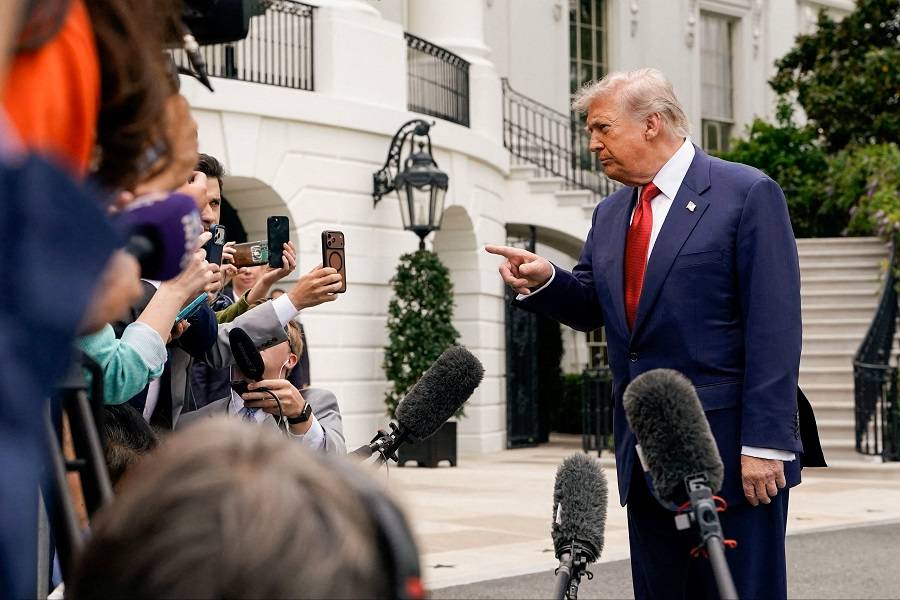
On the political front, US President Donald Trump continues to pursue a policy of 'maximum pressure' by threatening to target vital energy, water, and electricity infrastructure. Washington aims through this escalation to force the Iranian leadership to return to the negotiating table with new conditions that ensure the security of international navigation and the dismantling of the nuclear program.
These attacks come amid a political deadlock and the failure of diplomatic efforts aimed at containing tension in the region, especially with the continued arrival of Iranian missiles at targets deep within Israel. International concerns are growing about the region sliding into an all-out war as the deadlines set by the US administration to resolve outstanding issues with Tehran approach.
In the absence of any signs of de-escalation, the Iranian front remains open to all possibilities, as experts believe that the next phase will be the most complex in the history of the conflict. With the continued aerial bombardment, international circles await the nature of the Iranian response and the extent of the parties' ability to avoid a large-scale ground confrontation that could change the map of influence in the Middle East.
The attacks directly hit three residential areas, resulting in the collapse of buildings and damage to important historical sites in the country.
Share your opinion
Unprecedented Military Escalation: Dead and Wounded in US-Israeli Raids Targeting Western Iran