







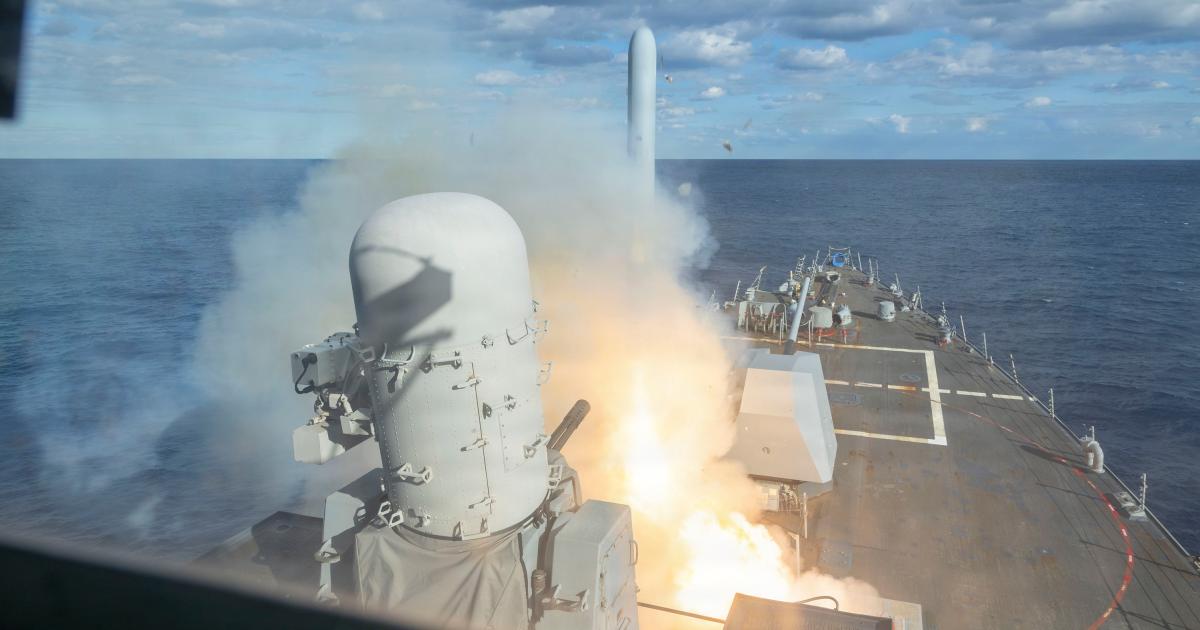
Recent US intelligence reports have revealed significant gaps in information regarding Iran's missile capabilities, despite ongoing military operations against Tehran. Security sources in Washington admitted that current estimates on the remaining missile stockpile and the ability of Iranian facilities for rapid manufacturing lack the required accuracy, complicating military deterrence calculations in the region.
Despite the belief within US military circles that they have succeeded in destroying nearly two-thirds of Iran's missile arsenal, intelligence officials warned of 'fog' surrounding field data. This ambiguity also extends to the expected timelines for any potential Iranian reaction, which keeps the US Central Command in a constant state of alert to face unexpected scenarios.
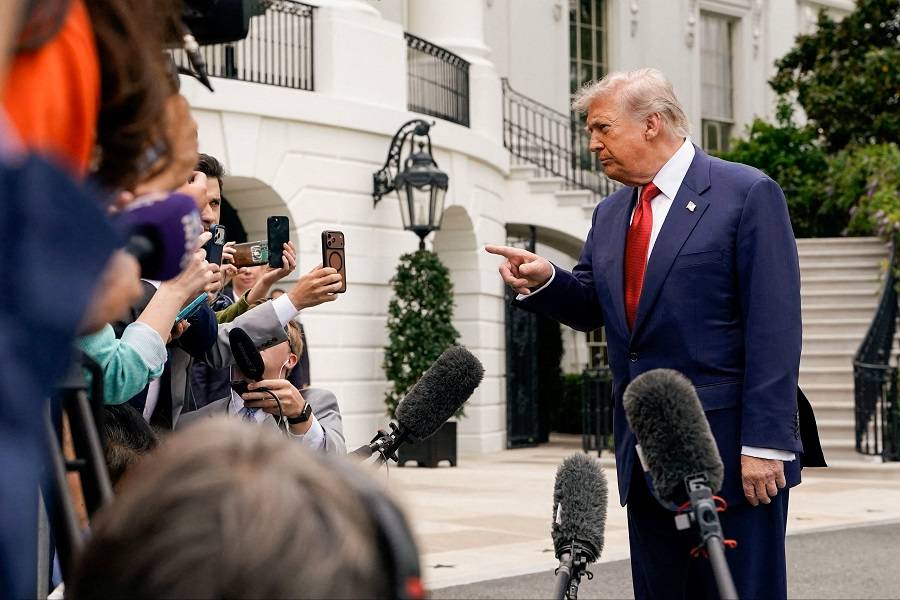
Meanwhile, the US administration is witnessing a noticeable divergence in political and military rhetoric regarding the crisis; President Donald Trump tends towards the option of negotiation while ruling out a comprehensive ground invasion. In contrast, the State Department and the White House adopt a sharper tone, with the presidential spokesperson hinting at readiness to wage a 'fierce war' if Tehran does not back down from its nuclear ambitions and regional threats.
On the ground, press reports confirmed the monitoring of intense US military movements, including the transfer of elite units specialized in qualitative ground operations to the Middle East. These movements coincide with the arrival of approximately 10,000 additional troops to the region, amid expectations of more military reinforcements to ensure combat readiness for any imminent ground or air escalation.
For his part, Secretary of State Marco Rubio stated that the United States is capable of achieving its military objectives and war aims within a short period not exceeding two weeks. Rubio indicated that these objectives can be achieved without necessarily deploying large-scale ground forces, which partially contradicts leaks speaking of plans for a 'knockout blow' being prepared by the Pentagon.
Information leaked through international media platforms indicates that the US Department of Defense is finalizing a comprehensive offensive plan that may include an unprecedented aerial bombing campaign. This plan aims to permanently cripple Iran's defensive and offensive capabilities, while keeping the option of limited ground intervention on the table as part of the knockout blow strategy.
This escalation comes in the context of the open confrontation that began on February 28, which witnessed assassinations targeting senior leaders in the Iranian hierarchy, led by Supreme Leader Ali Khamenei. These strikes led to a radical change in the rules of engagement, as Tehran responded by launching waves of missiles and drones towards Israeli and American targets.
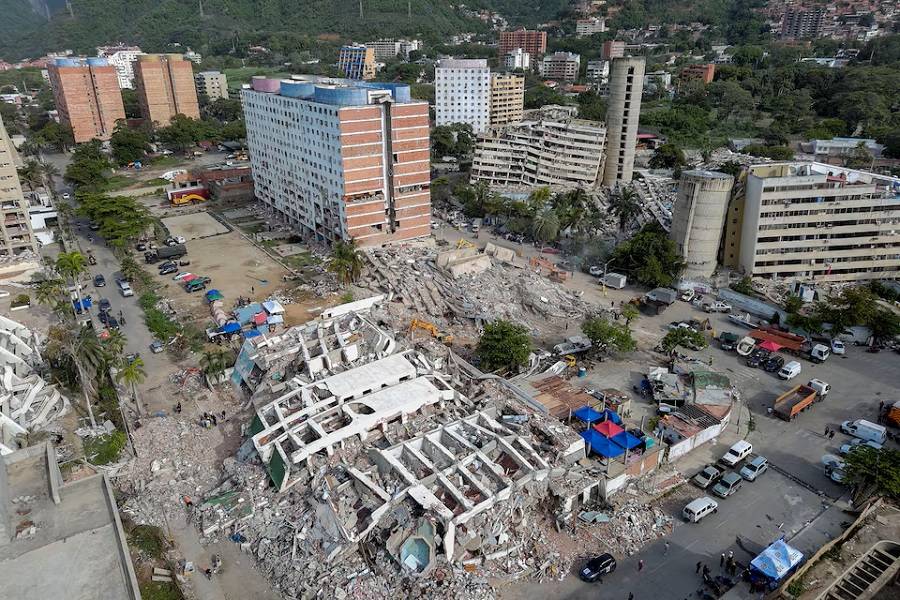
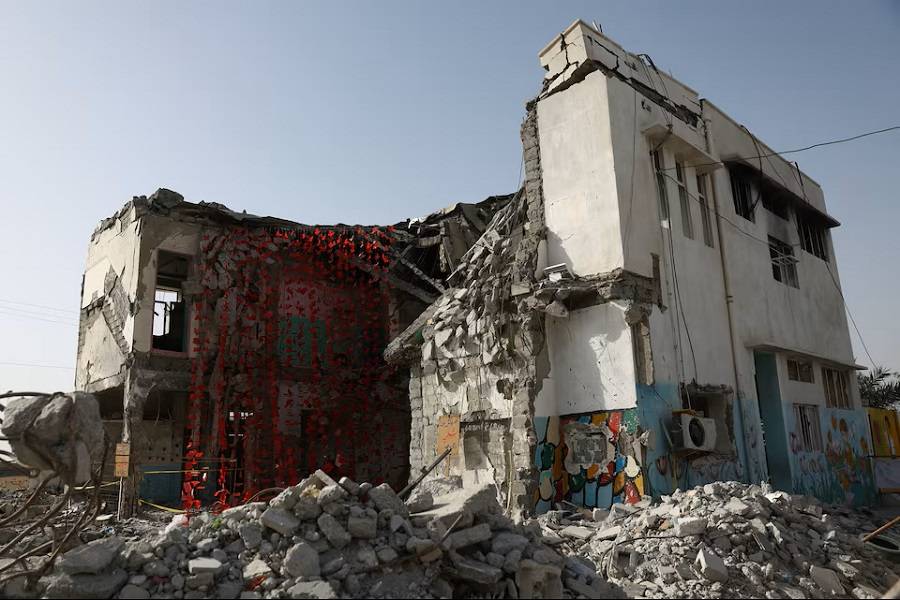
Regionally, Iranian attacks targeting American interests in Arab lands have caused a state of anxiety and tension among neighboring countries, especially in the Gulf region. Some of these strikes resulted in civilian casualties and damage to non-military facilities, which prompted widespread condemnations from Arab capitals that reject turning their territories into an arena for settling international scores.
Available data on Iran's stockpile, manufacturing capabilities, and speed of missile production remains inaccurate.
Share your opinion
Conflicting US Intelligence Estimates on Iran's Missile Stockpile Amid Intense Military Movements