







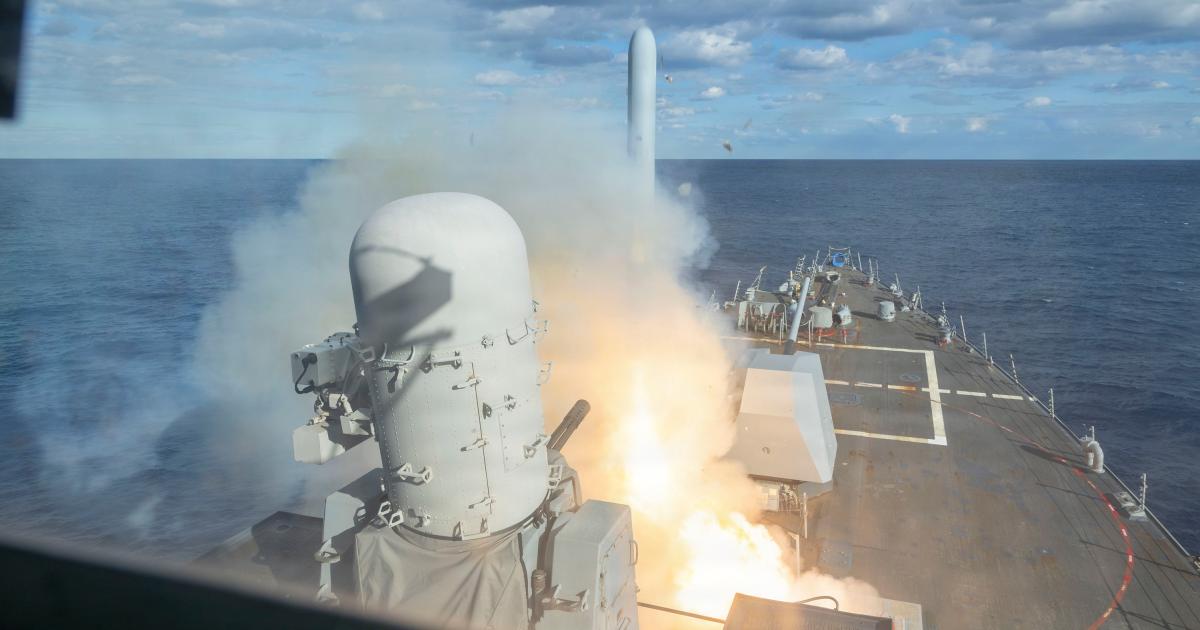
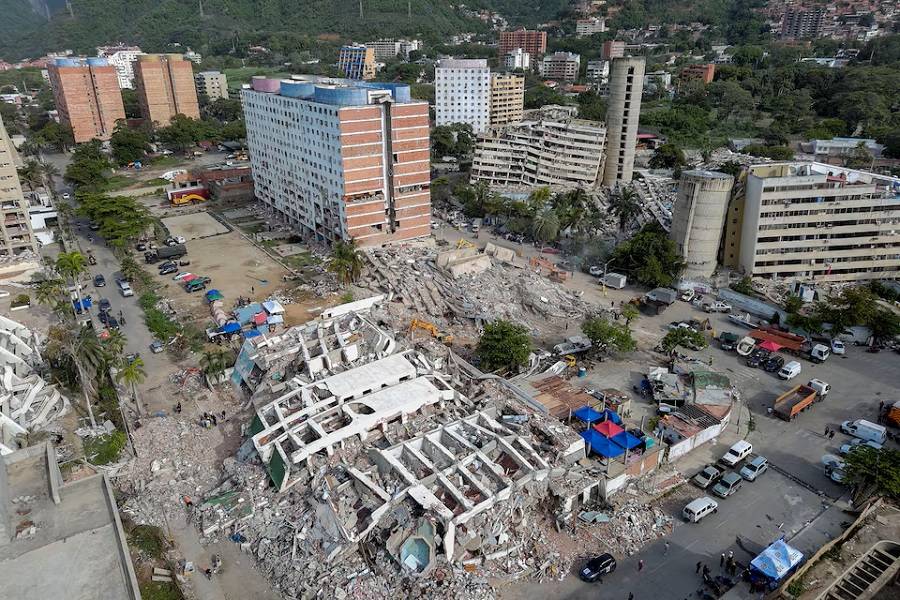
The world enters a dark tunnel in 2026 as chapters of a large-scale military aggression unfold, with American and Israeli forces launching a series of intense airstrikes targeting Iranian territory. Despite claims that the attacks only target military infrastructure, the reality on the ground indicates a campaign that has caused massive human casualties and destruction to schools and hospitals.
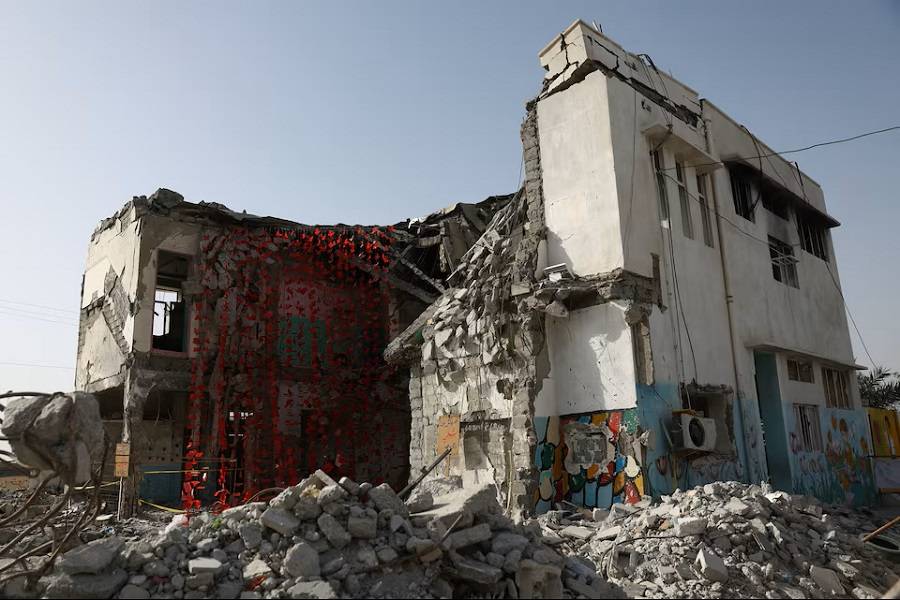
These unjustified strikes have resulted in the deaths of over 500 civilians, including children who fell victim to bombing targeting educational facilities, placing the international community before a difficult moral and legal test. Despite the intensity of the fire, the Iranian domestic front continues to show unexpected resilience in the face of increasing foreign military pressure.
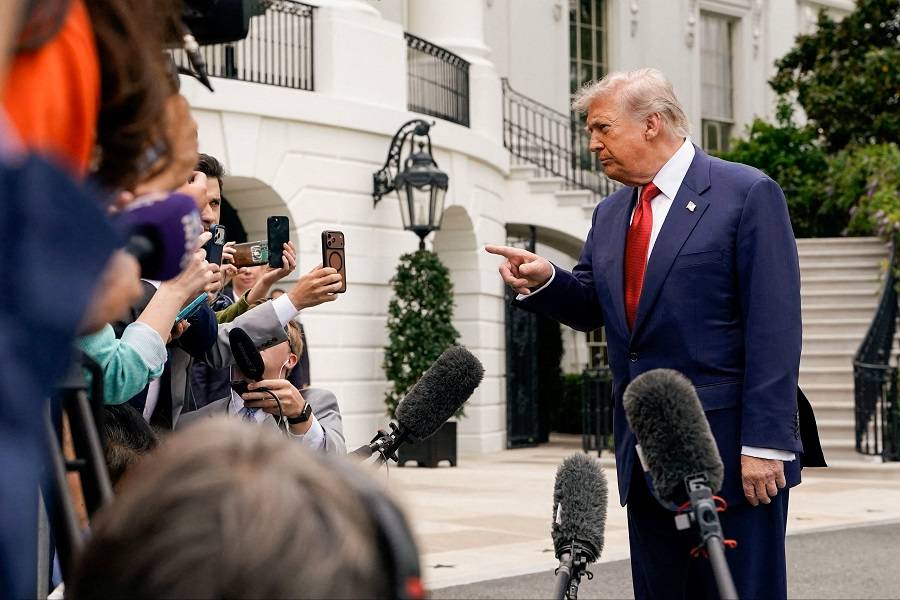
US President Donald Trump now finds himself in a political and military quagmire, as air power has failed to break popular will or achieve stated strategic objectives. This failure has pushed the American administration towards considering the option of ground escalation, which represents a retreat from electoral promises to end long foreign wars.
Observers believe that the justifications put forward for launching this war, primarily stopping the nuclear program, are merely a cover for regional hegemonic ambitions and control over resources. Israeli Prime Minister Benjamin Netanyahu has played a pivotal role in pushing for this confrontation, ignoring warnings about Iran's advanced defensive capabilities.
Tehran responded to the military escalation by imposing a tight blockade on the Strait of Hormuz, a defensive move that immediately led to global energy market disruption and a frantic rise in oil prices. This blockade plunged the global economy into panic, reflecting the failure of Western estimates that assumed a rapid collapse of the Iranian government.
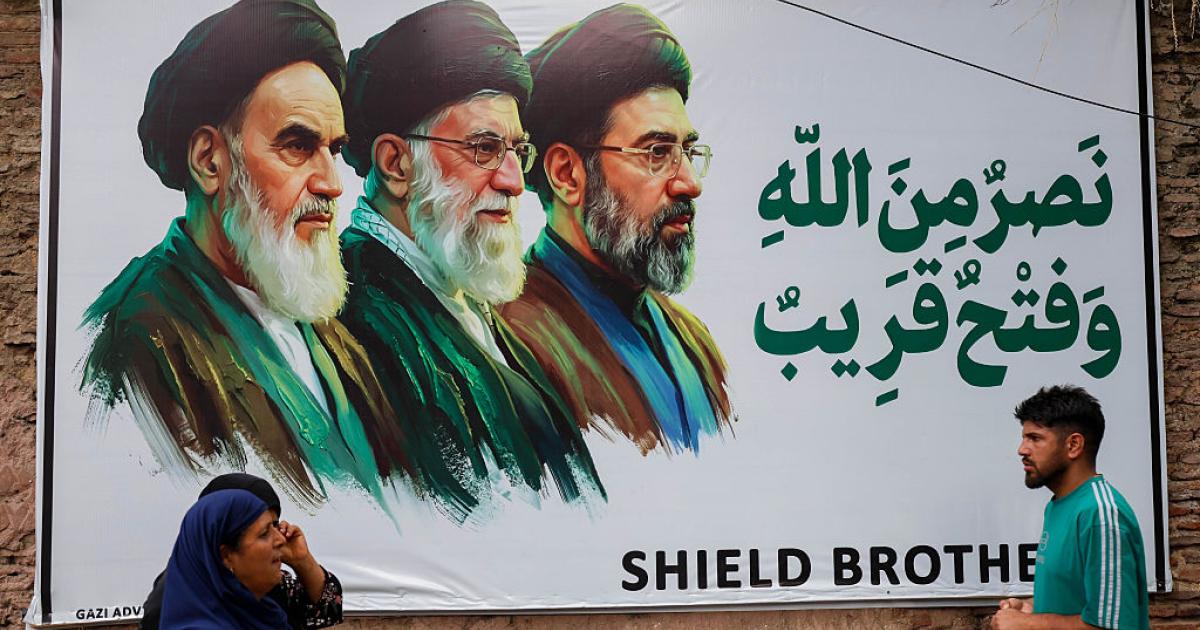
Instead of surrendering, the Iranian people united behind their leadership to confront what they describe as brutal aggression, with citizens fighting fiercely to protect their country's sovereignty. Field reports confirm that popular resistance has become more organized and stronger with every airstrike targeting residential and civilian areas.
Attention is now turning to Iran's Kharg Island, the main artery for oil exports, where leaked American plans indicate an intention to militarily seize it. This move aims to completely cripple the Iranian economy through direct occupation of natural resource sources, which entrenches imperialistic practices in the region.
Washington has already sent thousands of marines to the region, a move that reflects a state of strategic confusion and contradiction between the White House and military leaders. This deliberate ambiguity aims to intimidate the adversary, but in turn, it increases tension and diminishes the chances of diplomatic solutions, which have become almost non-existent.
Internationally, a sharp division emerges between Washington and its traditional allies in Europe, who refused to join this military endeavor, which they described as destructive. This refusal has led to severe diplomatic tension, reaching the point of public insults from the American administration towards countries that chose the path of wisdom and de-escalation.
Israel remains the sole and enthusiastic partner in this military campaign, deepening the international isolation of the United States and destabilizing the entire Middle East. Operating outside the framework of international legitimacy threatens to dismantle the system of laws governing the sovereignty of independent states and opens the door to comprehensive regional chaos.
Iran's geographical terrain, from towering mountains to vast deserts, presents an enormous logistical challenge for any invading force considering a ground entry. The Iranian army has spent decades developing asymmetric warfare tactics, making any ground invasion a bloody adventure fraught with risks and heavy losses.
In addition to the human cost, the financial burden of this war has become unbearable for American taxpayers, with the first weeks draining billions of dollars. Deploying ground troops into a hostile environment will require massive budgets and complex supply chains, at a time when the global economy is suffering from the consequences of the energy blockade.
Insistence on the military option reflects a moral bankruptcy, as some media outlets try to justify the attacks and portray the aggressor as a victim. The free press must expose the facts related to targeting civilians and violating state sovereignty, and warn against the consequences of returning to the dark colonial eras.
In conclusion, the international community demands an immediate halt to this unjustified violence and respect for Iranian sovereignty to avoid a global catastrophe that cannot be won. A ground invasion will not be a solution, but will lead to another decade of occupation and destruction, which must be prevented before it is too late and more lives are lost.
Deploying ground forces will inevitably ignite a much wider regional conflict, given Washington's underestimation of the deep national spirit of Iranian fighters and their country's rugged terrain.
Share your opinion
Catastrophe Scenarios: Why a Potential Ground Invasion of Iran Threatens Global Stability