






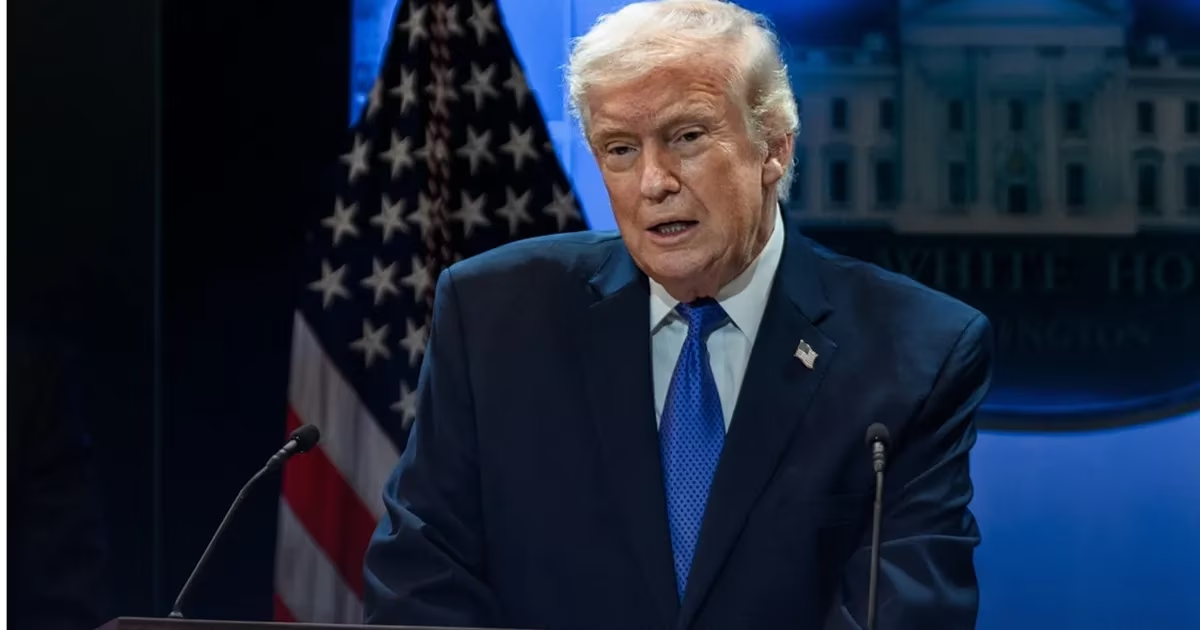
U.S. President Donald Trump is moving towards imposing radical changes in the structure of the North Atlantic Treaty Organization (NATO), aiming to link political influence and decision-making power to the size of each member state's military spending. According to press reports, Trump is exploring a new model known as 'pay for participation,' which could lead to stripping allies who do not meet the required financial standards of their sovereign rights within the alliance, including participation in war and peace decisions.
These moves come amid growing frustration within the U.S. administration over the failure of some European countries to meet Washington's defense demands. Informed sources confirmed that the new proposal sets a high spending ceiling of 5% of GDP, considering that countries that fail to achieve this figure should not have a voice in decisions related to expansion, joint operations, or the activation of the collective defense clause known as Article Five.
In a related context, the idea of withdrawing U.S. troops from Germany has returned to the White House's discussion table, a step that reflects the seriousness of Trump's re-evaluation of external military commitments. Observers believe that this approach represents direct pressure on Berlin and other European capitals to immediately increase their defense budgets, especially with the upcoming Ankara summit scheduled for later this year.
For his part, NATO Secretary-General Mark Rutte acknowledged that leaders would be forced to present concrete plans to reach the new spending target during the upcoming summit. Although all alliance countries currently adhere to a minimum of 2%, the new American ambitions place immense pressure on the budgets of countries such as Britain and Spain, which face economic difficulties in increasing their military allocations.
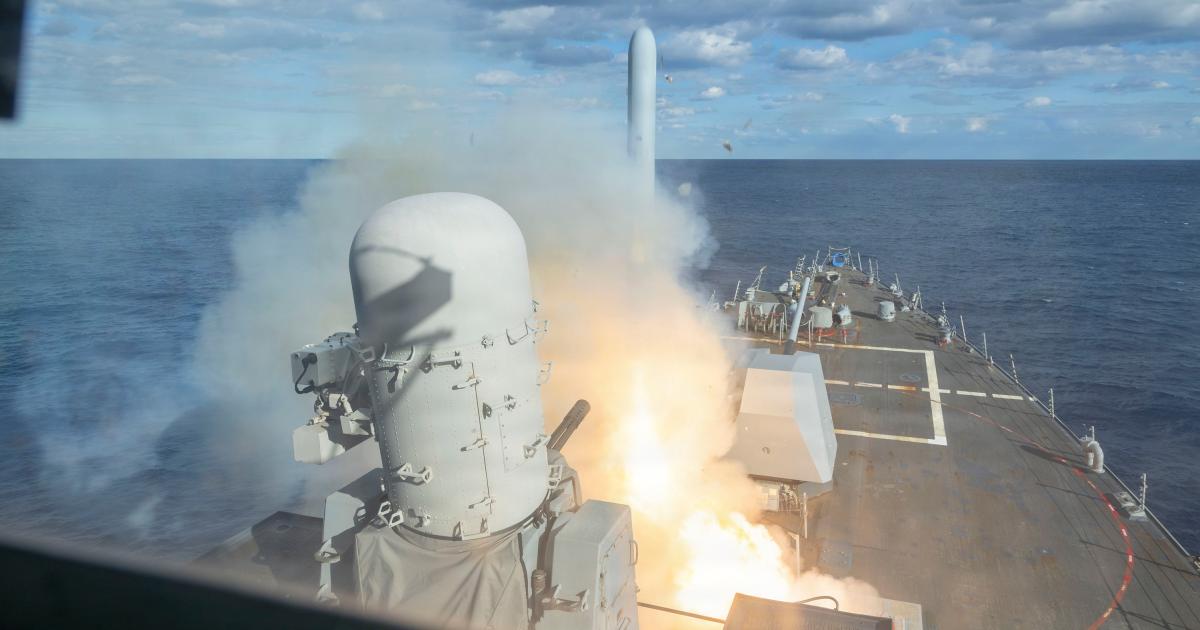
Sources indicate that the spark that ignited this American anger was the allies' refusal to send warships to participate in securing the Strait of Hormuz. This stance led Trump to question the utility of traditional alliances, considering that some countries benefit from the American security umbrella without making actual contributions to sensitive international crises.
Regarding field movements, sources reported that the U.S. Department of Defense has already begun taking steps that reflect this new approach, as Congress was notified of the intention to transfer $750 million that was allocated for arming Ukraine. These funds will be used to replenish U.S. military stockpiles, in a clear indication of prioritizing national interests over allied commitments.
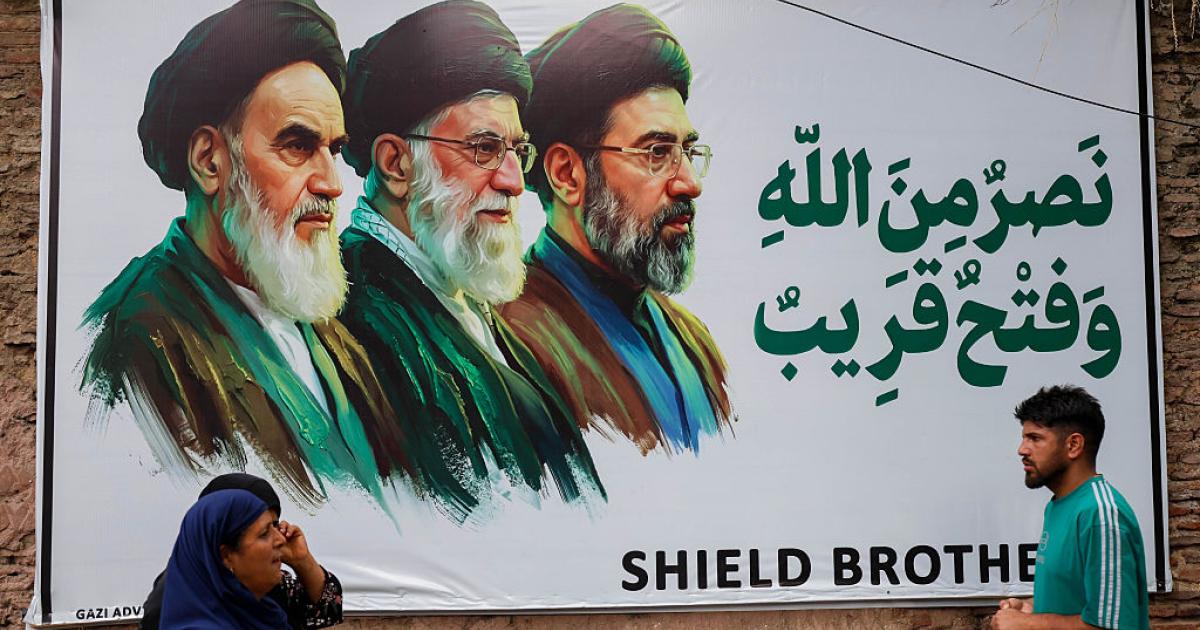
Regarding tensions in the Middle East, diplomatic reports revealed that Secretary of State Marco Rubio informed G7 leaders of Washington's expectations regarding the duration of a potential conflict with Iran. According to American estimates, a military confrontation could last between two and four weeks, indicating preparations for an intense and rapid operation.
In parallel with these statements, the White House is considering strengthening its military presence in the region by sending an additional 10,000 troops, supported by squadrons of fighter jets and armored vehicles. These forces will join the thousands of paratroopers and marines currently deployed, raising U.S. combat readiness to unprecedented levels in the region.
Military analyses indicate that these reinforcements could be a prelude to a ground operation targeting Iran's Kharg Island, which is the main artery for oil exports in the country. This potential move aims to cripple Tehran's economic capabilities and secure international shipping lanes, which explains Trump's dissatisfaction with the lack of European and British support on this issue.
In conclusion, it appears that the relationship between Washington and London is experiencing silent tension, especially after the restrictions imposed by Keir Starmer's government on the use of Diego Garcia base. This tension reinforces the Trump administration's conviction of the need to redefine alliances based on direct interests and the ability to execute, away from the traditional protocols that have governed NATO for decades.
Any country that does not spend 5 percent of its GDP on defense should not have a vote within NATO.



Share your opinion
Trump threatens to restructure NATO: 'Pay for influence' and disenfranchise non-compliant members