







Israeli Defense Minister, Israel Katz, announced today, Sunday, the issuance of joint official instructions from him and Prime Minister Benjamin Netanyahu to begin an immediate and comprehensive bombing operation of all bridges located on the Litani River in southern Lebanon. This step comes as part of a military escalation aimed at radically changing the field reality on the northern front.
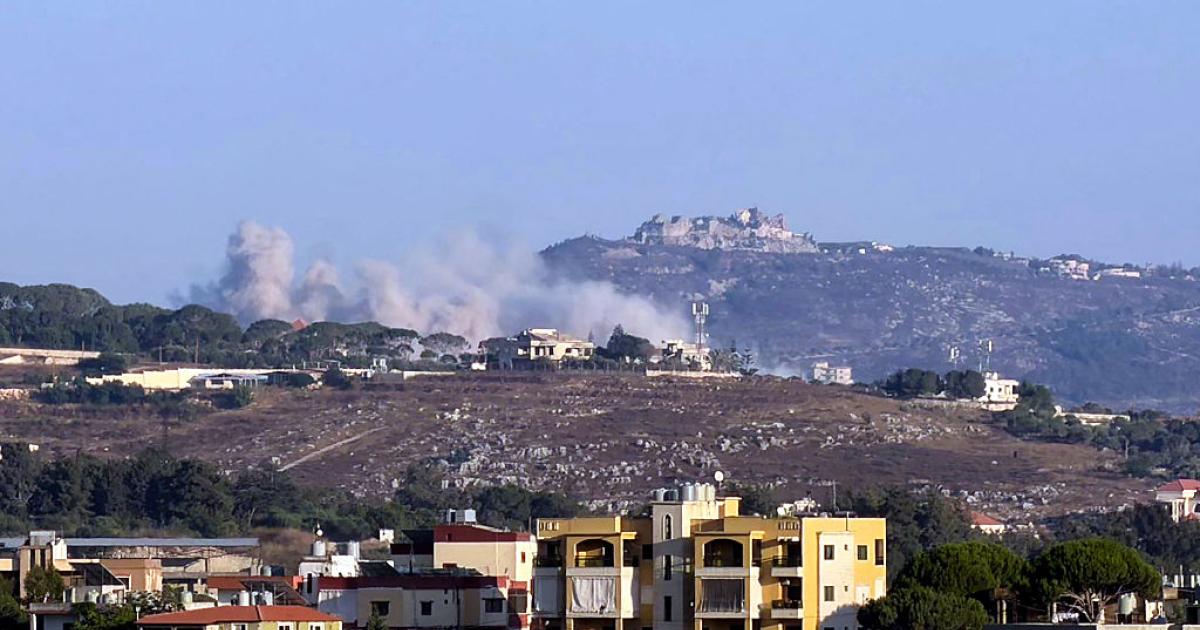
Katz clarified that the orders issued to the Israeli army are not limited to bridge infrastructure only, but extend to include accelerating the demolition of homes in Lebanese frontline villages. He stated that the goal of this systematic destruction is to remove what he described as threats facing the northern areas, emphasizing the necessity of ending residential and urban presence in the contact areas.
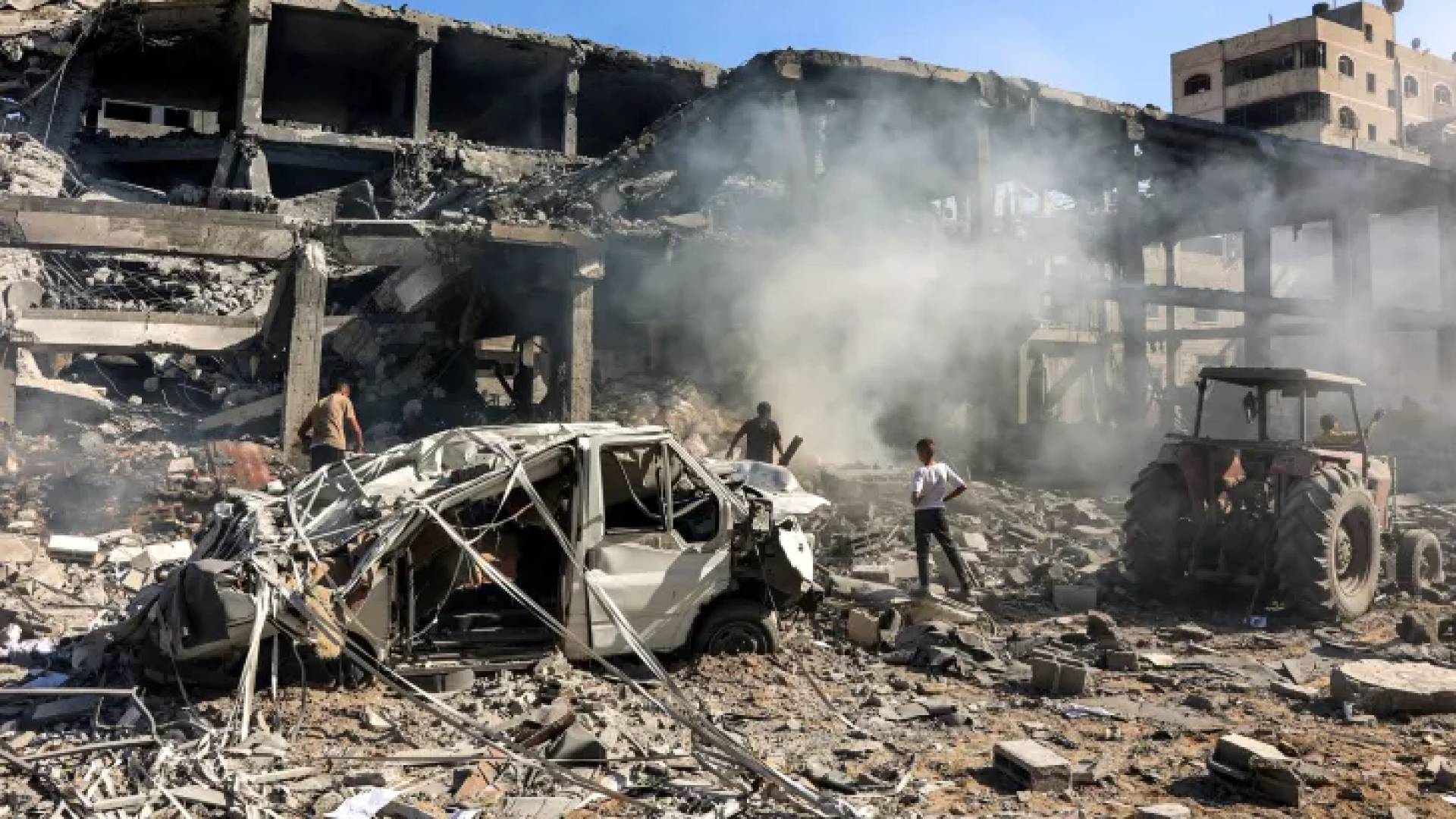
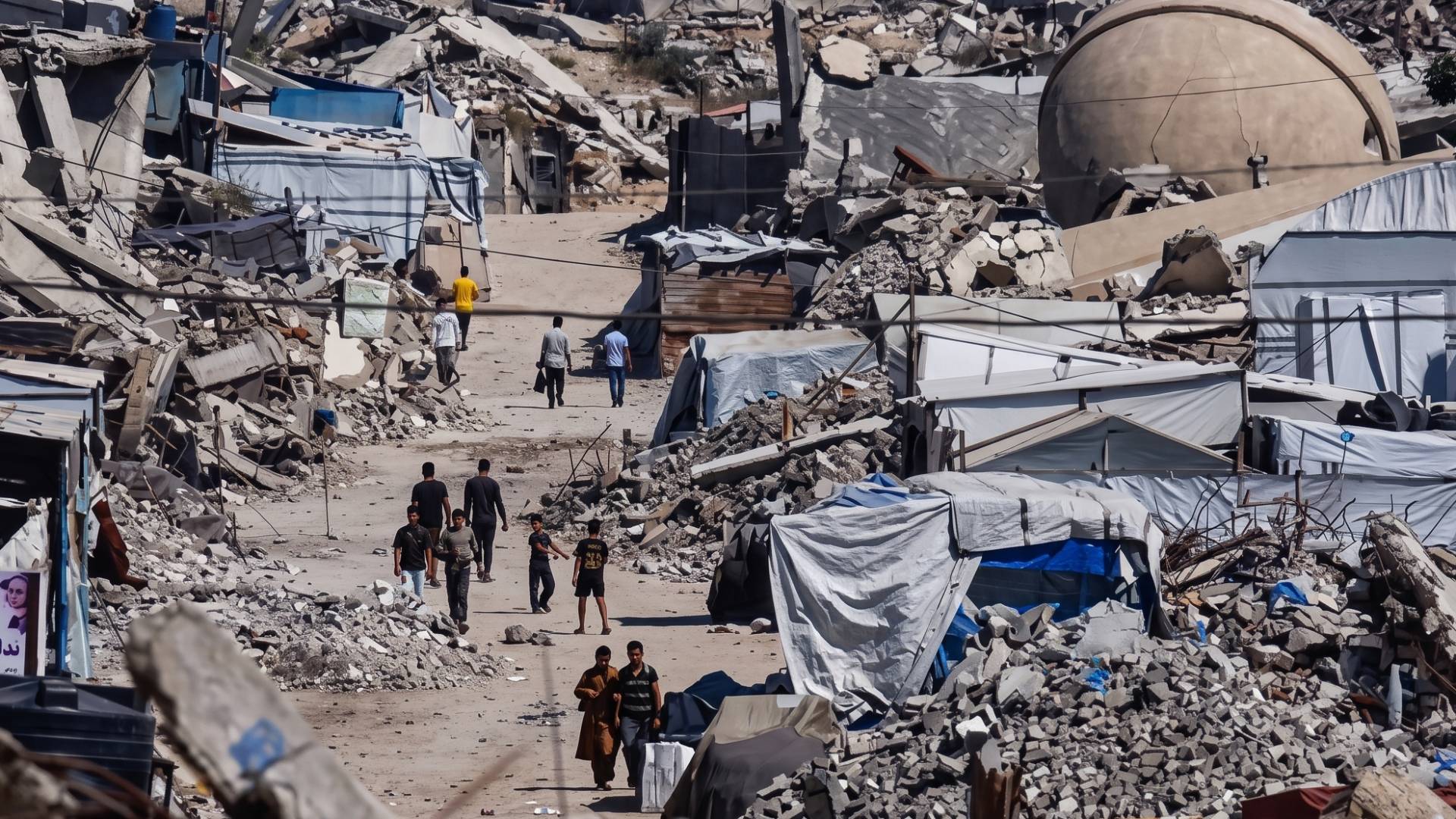
The Israeli minister revealed that the occupation army has adopted the 'Gaza model' in dealing with Lebanese villages, specifically what happened in Beit Hanoun and Rafah of extensive surveying and destruction operations. This approach indicates the occupation's intention to turn the border strip into an uninhabited area through the scorched-earth policy it followed in the Strip.
For his part, the Israeli army spokesman confirmed that the air operations will directly target the Qasimiya Bridge, which represents a vital part of the coastal highway connecting Lebanese areas. This announcement is a continuation of a series of previous targeting, as the Tyre-Falsieh – Zrarieh Bridge was bombed in mid-March.
In a military reading of these developments, analytical sources reported that the occupation seeks, by destroying the bridges, to cut off the logistical arteries of the Lebanese resistance and completely isolate the operational area. This strategy aims to restrict the fighters' ability to maneuver and transport supplies between the two banks of the river, exploiting Israel's absolute air superiority.
Observers believe that the destruction of the bridges will significantly impede logistical movement, slowing down the resistance's field response speed in the face of any potential ground incursion. Tel Aviv is preparing, through these steps, for a broader phase of military confrontation, as it seeks to secure its field superiority by paralyzing the enemy's movement.
The sources warned that the greatest danger lies in the occupation's intention to level border villages to the ground, which clearly indicates the actual start of work on establishing a buffer zone south of the Litani River. Through this zone, Israel aims to remove any military or civilian presence that threatens its northern settlements, and impose a new security reality by force.
These extreme Israeli decisions come in light of the difficulties faced by ground forces in previous attempts to advance, where they suffered losses in lives and equipment. The occupation leadership was surprised by the ability of small resistance groups to target 'Merkava' tanks and trap attacking forces in well-planned ambushes.
Resorting to the destruction of civilian infrastructure and bridges reflects an Israeli desire to compensate for field failures by exerting immense military and destructive pressure. Anticipation remains the master of the situation regarding the repercussions of these decisions on regional stability and the possibility of the situation sliding into an all-out war not limited to border areas.
The instructions include accelerating the demolition of Lebanese homes in frontline villages to end threats, according to the model of Beit Hanoun and Rafah in Gaza.



Share your opinion
Occupation decides to destroy Litani bridges and level Lebanese border villages to the ground