







Informed sources revealed that the Peace Council, headed by US President Donald Trump, submitted a formal written proposal to the Hamas movement outlining detailed mechanisms for the movement to relinquish its military arsenal. The sources clarified that this proposal was presented during an intensive series of meetings held in the Egyptian capital, Cairo, last week, as part of Washington's efforts to impose new security arrangements in the Gaza Strip.
Nikolay Mladenov, the High Representative of the Peace Council for Gaza, along with Ariyeh Lightstone, Assistant Special Envoy for US President Steve Witkoff, participated in these high-level talks. This step comes as part of Trump's broader plan for the Strip, which aims to end armed manifestations in exchange for international guarantees of the withdrawal of Israeli occupation forces and the commencement of extensive reconstruction operations for the devastated areas.
The proposed plan stipulates exchanging the military presence of Palestinian factions for a timetable for a comprehensive Israeli withdrawal from the Strip, and immediately beginning the restoration of damaged infrastructure. According to the sources, these understandings had received initial approval from the concerned parties last October, but the procedural details of disarmament remained the most prominent sticking point in the negotiations.
For his part, Nikolay Mladenov affirmed that intensive efforts are currently underway to secure the urgent delivery of relief aid to the residents of the Strip who are suffering from the ongoing war. In recent statements, he indicated the existence of a consensual framework among mediators that could pave the way for advancing the reconstruction process, provided that decisive decisions are made regarding the security file and arms control.
Mladenov stressed in a message on the occasion of Eid al-Fitr that the option presented to the Palestinian leadership is clear and unequivocal: the complete abandonment of weapons by Hamas and all armed factions. He added that this step is the mandatory path to achieving stability and fulfilling the aspirations of the Palestinian people to live in safety away from the cycles of armed conflict.
In contrast, the Hamas movement adopts a cautious stance towards these proposals, having previously affirmed that any implementation of such plans requires difficult and complex negotiations that guarantee the rights of the Palestinian people. Musa Abu Marzouk, a leader in the movement, had clarified that the circulated formulas regarding weapons ranged between freezing and disarmament, stressing that the top priority currently is to stop the aggression and protect civilians.
The American incentives offered include the possibility of granting a comprehensive amnesty to members of the movement within a final agreement that stipulates the surrender of all types of heavy and light weapons, including individual weapons. This offer, according to American officials, aims to encourage field leaders to engage in the new political path in exchange for legal and security guarantees that protect them from future prosecution.
Despite these offers, observers indicate that the success of the agreement fundamentally depends on the Israeli position, as the occupation government insists on complete and verified disarmament as a condition for any withdrawal. At the same time, the occupation forces still militarily control about half of the Gaza Strip, and have shown no actual indications of their intention to evacuate the positions they have entrenched in over the past two years.
In the context of financial support, reports revealed that President Trump succeeded in raising financial pledges totaling $7 billion from donor countries, including Gulf states, allocated for the reconstruction of Gaza. However, doubts remain about the flow of these funds, as only a small portion of them has been provided so far, which weakens the strength of the economic incentives offered to Palestinians.
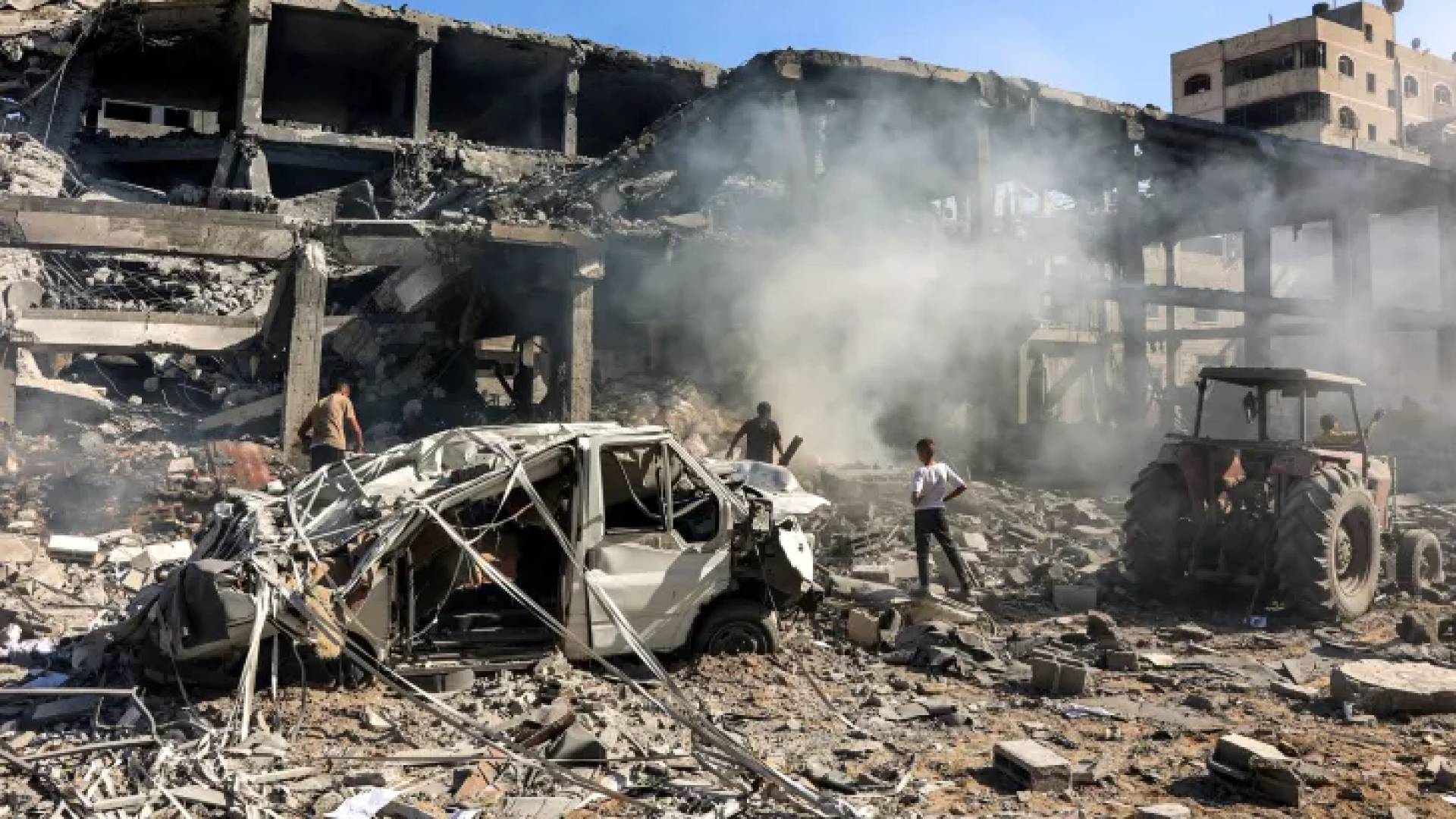
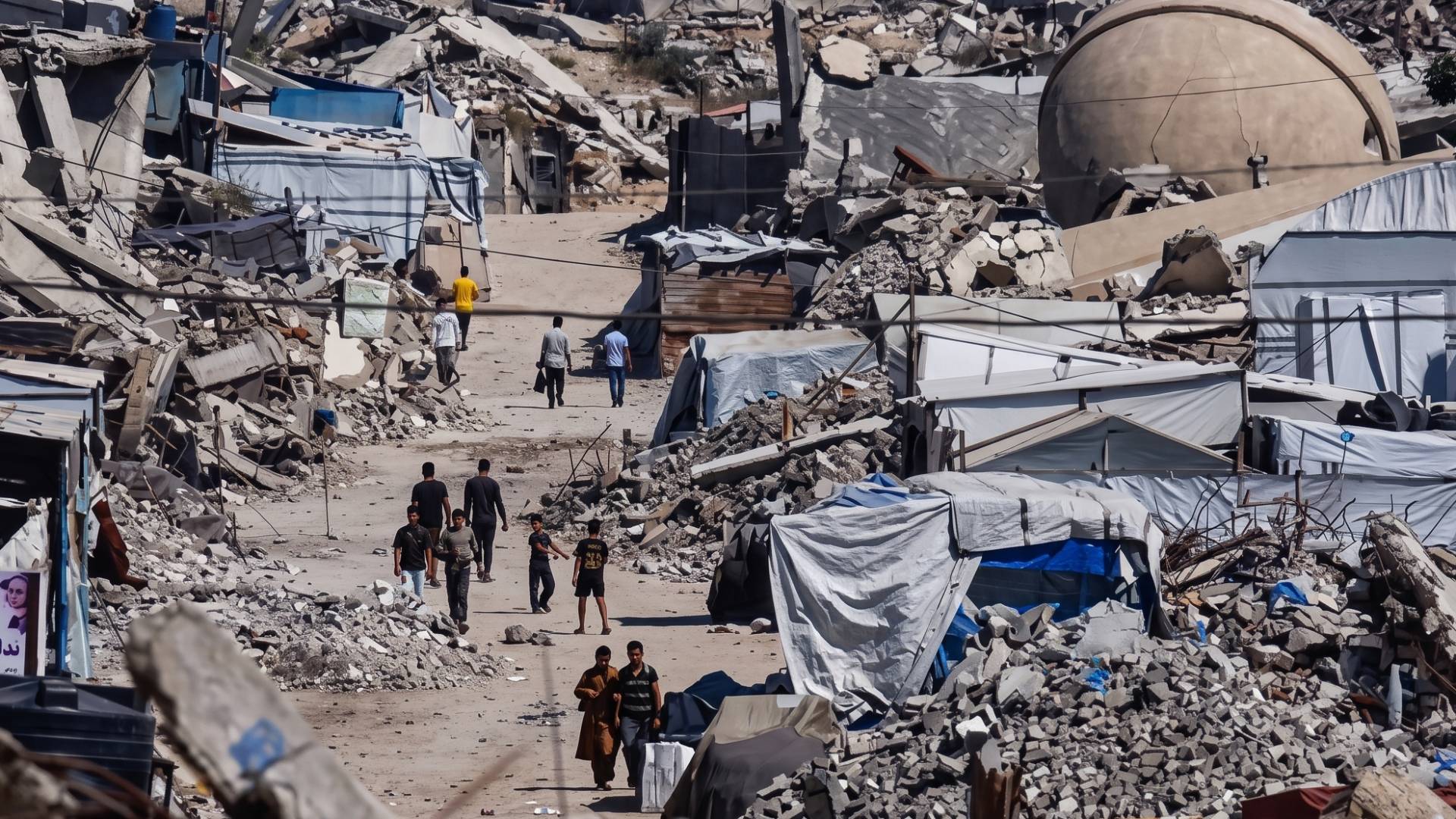
On the ground, the situation in the Gaza Strip remains extremely fragile despite the ceasefire agreement in effect since October 2025, as the occupation forces continue their constant violations of residential areas. These violations have led to the martyrdom of hundreds and the injury of thousands, which reinforces the state of distrust in international promises regarding security and Israeli withdrawal from the occupied territories.
Official statistics issued by the Ministry of Health indicate an unprecedented humanitarian catastrophe, with the number of martyrs since the beginning of the aggression in October 2023 exceeding 72,000, while approximately 172,000 citizens have been injured. The war has caused the destruction of nearly 90% of the Strip's infrastructure, making the reconstruction file a major political bargaining chip in the hands of international parties.
The matter is now on the table, requiring one clear choice: the complete abandonment of weapons by Hamas and all armed groups, without any exceptions.
Share your opinion
Written American Proposal to Hamas for Disarmament in Exchange for Withdrawal and Reconstruction