






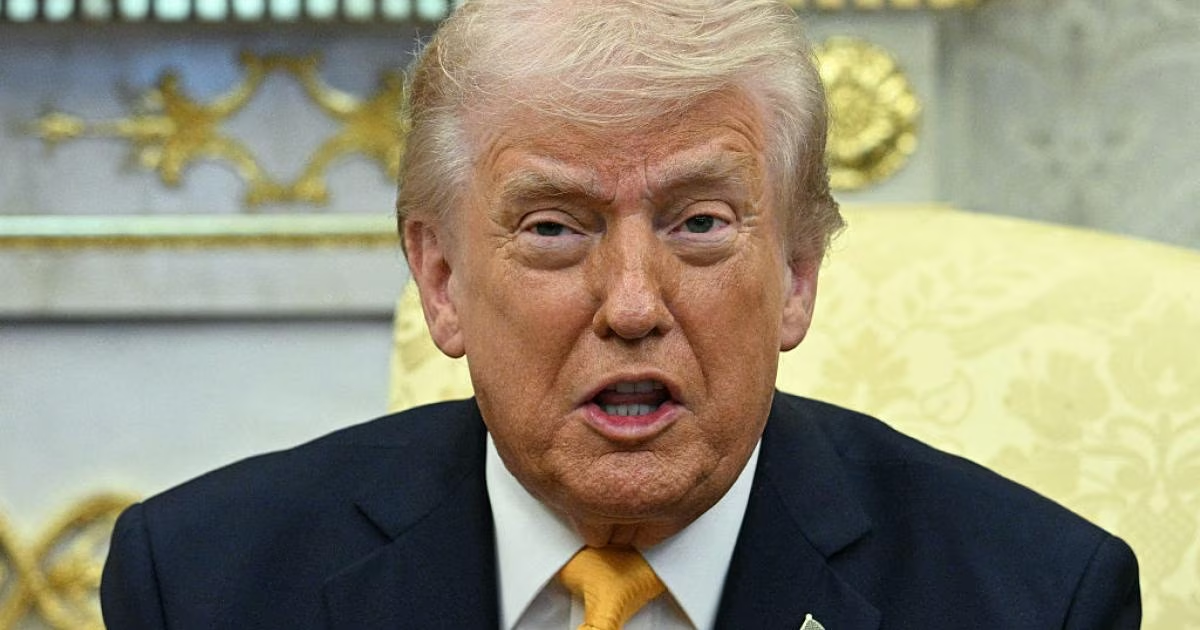
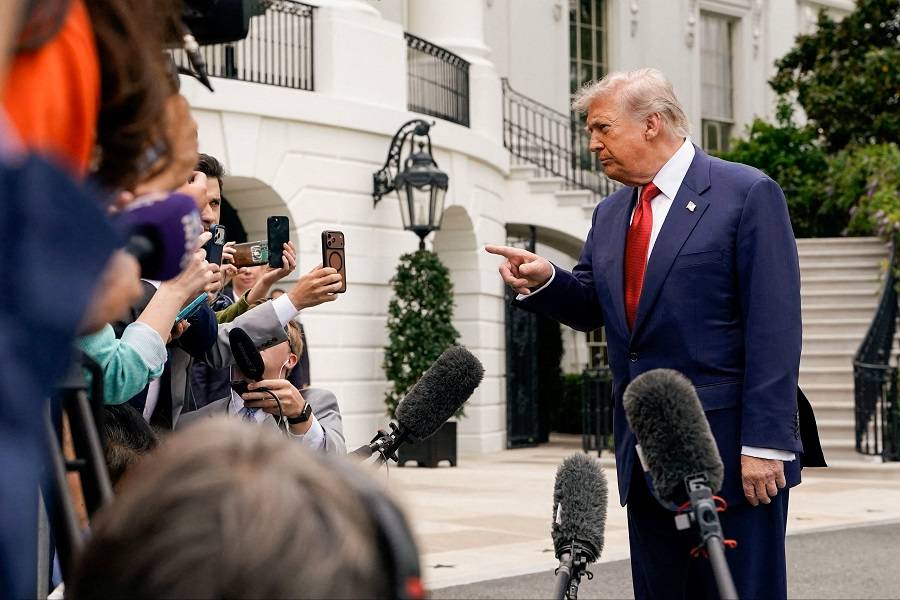
For half a century, Washington's political doctrine settled on considering Iran the greatest enemy, yet dealing with this animosity remained constrained by 'containment' without sliding into open military confrontation. With Donald Trump's arrival in his second term, this strategy fundamentally changed, as hawkish rhetoric paved the way for dragging the United States into an all-out war that his predecessors dared not wage.
Sources reported that Secretary of State Marco Rubio expressed the entrenched view of the American system towards Tehran, considering that the decisions of the Iranian leadership stem from purely ideological religious foundations. This perception made the idea of reaching a sustainable diplomatic agreement almost impossible in the mind of the new decision-maker, reinforcing the inclination towards a direct military option.
Historically, major events such as the 1979 hostage crisis and support for armed groups in the region fueled the continuous animosity between the two countries. Despite this heavy legacy, successive presidents from both Democratic and Republican parties maintained policies of diplomatic isolation and economic pressure as alternatives to armed conflict, whose risks were considered grave and unpredictable.
Reports indicate that previous administrations repeatedly ruled out military options after in-depth intelligence studies warned of uncontrollable regional repercussions. However, the current Trump administration decided to break this tradition, considering that the 'maximum pressure' policy initiated in the first term was not sufficient to achieve American strategic goals.
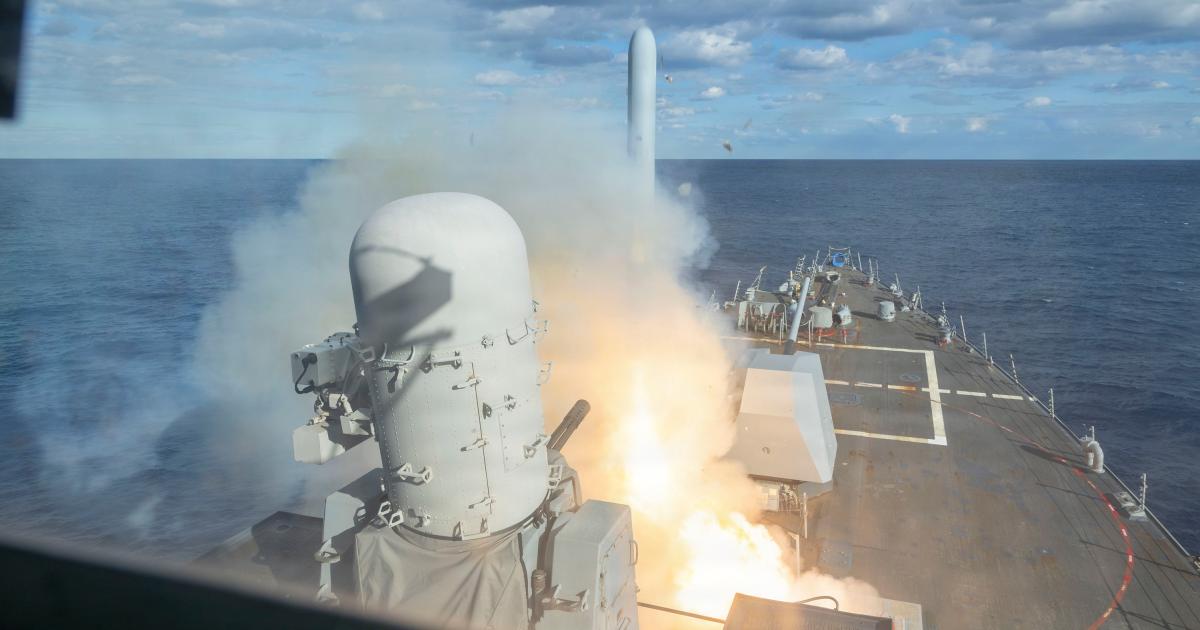
In June 2025, US forces launched an aggression that lasted nearly two weeks, directly targeting Iranian uranium enrichment facilities in an attempt to undermine the nuclear program. This military escalation coincided with rounds of negotiations described as unserious, as Washington was maneuvering diplomatically while preparing for a decisive strike.
Tensions escalated with Trump's military buildup following internal protests in Iran last January. The White House's promises to provide 'assistance' to protesters sent clear messages that the ultimate goal was no longer merely to modify Iranian behavior, but explicitly focused on regime change in Tehran.
Diplomatic moves led by Trump's envoy, Steve Witkoff, and his son-in-law Jared Kushner, were merely a cover for the phase preceding the joint US-Israeli attack. According to informed sources, these moves were not actually aimed at avoiding war, but were part of a deceptive strategy that preceded the widespread military operations in February 2026.
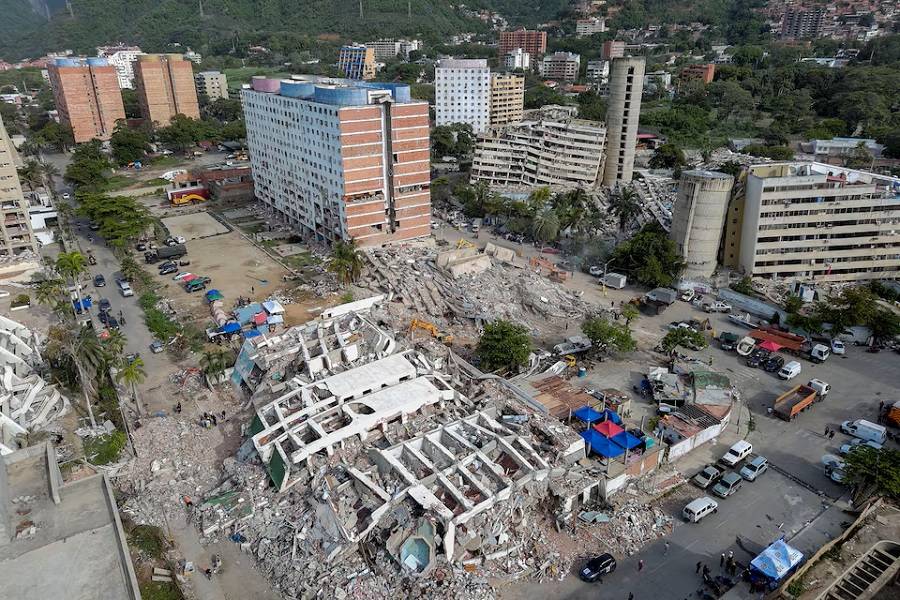
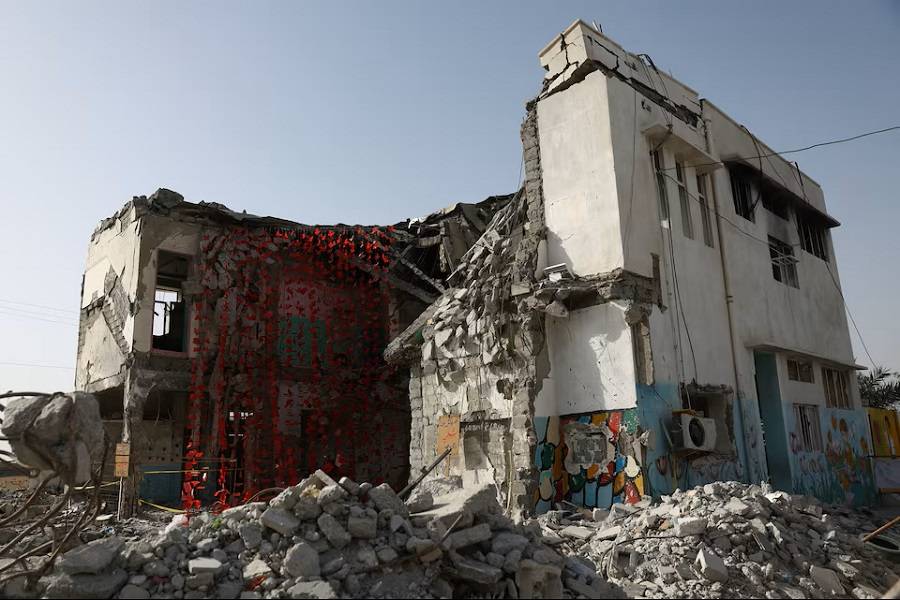
February 28, 2026, marked a historic turning point, as air strikes and operations targeted Supreme Leader Ali Khamenei and senior military and political leaders. This mass assassination of the Iranian leadership put an end to decades of 'proxy wars' and shifted the conflict to a direct confrontation on Iranian soil for the first time.
Looking back at Trump's first term, he had already begun to undermine diplomatic solutions by withdrawing from the 2015 nuclear deal. Despite his advisors' opposition at the time, Trump insisted on describing the agreement as the 'worst in history,' paving the way for ending any chance of peaceful coexistence or technical understanding regarding the nuclear file.
Qassem Soleimani's assassination in 2020 was a test of red lines, but it remained confined to Iraqi territory and did not extend into Iran. At that time, Trump was still adhering to part of the traditional deterrence policy, preferring not to be drawn into an all-out war that could affect his political and economic ambitions.
Even under President Joe Biden, attempts to return to the nuclear deal continued without success, as diplomatic desire clashed with internal constraints in Washington and rigidity in Tehran. This accumulated diplomatic failure was exploited by Trump in his election campaign to promote the idea that military force was the only way to end the 'Iranian threat.'
Analysts believe that Trump's decision to wage war will have dire global consequences that extend far beyond his presidency, especially with the collapse of the state structure in Iran. The transformation from a 'rational, albeit dangerous state,' according to previous intelligence assessments, to a target for total destruction, places the region before an unknown future.
US domestic politics played a pivotal role in this escalation, as Democrats feared appearing weak before Iran even while supporting the nuclear deal. This competition for 'hawkishness' within Washington narrowed the space for diplomatic maneuvering and legitimized the more extreme options adopted by Trump in his second term.
In conclusion, what is happening today represents the embodiment of Trump's vision based on destroying the old rules of American foreign policy. Instead of the containment practiced by his predecessors, Trump chose confrontation, which may reshape the map of the Middle East, but at a human and political cost that international powers may not be able to bear.
Trump's decision to choose war over diplomacy represents a radical shift that leads the United States down a path that will not resolve the Iran crisis but will exacerbate its global consequences.
Share your opinion
Radical Shift in Washington: How Trump Broke Decades of 'Containment' to Declare All-Out War on Iran?