







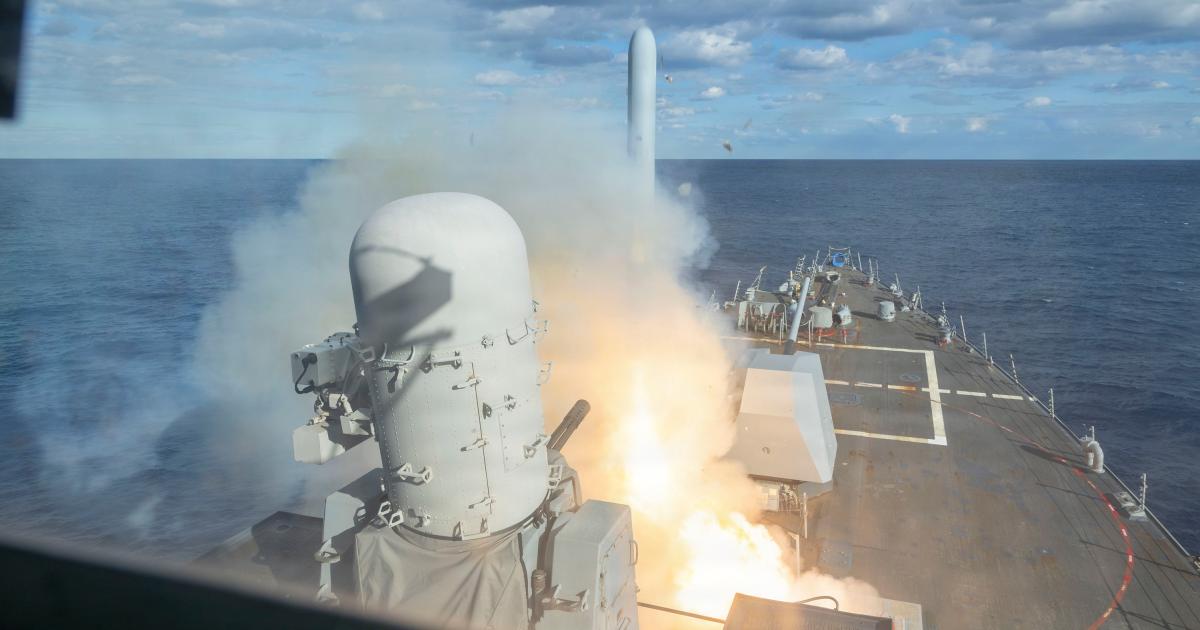
Recent international reports have revealed a striking escalation in military cooperation between Moscow and Tehran, with Russia emerging as a key strategic supporter of Iran amidst rising tensions in the Middle East. Informed sources indicated that the Kremlin has begun providing the Iranian side with sensitive intelligence and precise satellite imagery related to American military movements in the region.
This technical support includes sharing real-time field data on the locations of US warships and aircraft, enhancing Tehran's monitoring and tracking capabilities. The sources clarified that this coordination is not new but rather the result of ongoing cooperation that has deepened since the recent confrontations in the region, aimed at undermining American influence.
Russian space capabilities play a pivotal role in this alliance, with Moscow placing advanced surveillance systems at the service of Iranian objectives, most notably the satellite known as 'Khayyam'. This system provides high-resolution optical and radar images, allowing Tehran to pinpoint the locations of American and Israeli military assets with unprecedented accuracy.
In addition to informational support, Russia has transferred its field expertise gained from the war in Ukraine to the Iranian Revolutionary Guard, especially concerning drone tactics. These consultations include how to launch synchronized swarms of drones and alter their trajectories to deceive advanced air defense systems, which explains the high precision of recent Iranian strikes.
In a related context, reports indicated that the United States has taken steps to ease some restrictions on Russian oil sales in an attempt to control global energy prices. However, this move faced sharp criticism from Washington's allies, who warned that increased financial revenues for Moscow would directly contribute to funding its ongoing military operations.
For his part, Ukrainian President Volodymyr Zelensky warned of the danger of this alliance, noting that Russian support for Iran might not stop at information and drones. Zelensky suggested that cooperation could extend to providing Tehran with ballistic missiles and advanced air defense systems, fundamentally altering the balance of power in the region.
Despite this extensive support, military experts believe that Moscow still prefers to avoid direct involvement in Middle East combat for now. However, statements by Russian officials indicate a clear bias, with the Russian ambassador in London asserting that his country is not neutral in the ongoing conflict.
Analysts believe that the precision demonstrated by recent Iranian attacks on command centers and radars is directly attributable to the 'comprehensive effort' by Russian intelligence. This technical cooperation has enabled Iran to overcome its previous technological shortcomings and achieve an advanced level of precise targeting strategies adopted by major armies.
Economically, the rise in oil prices resulting from instability in the Middle East benefits the Russian treasury, providing it with financial cover to counter Western sanctions. European capitals are closely monitoring this economic and military overlap, considering that any leniency in pressuring Moscow will prolong conflicts on multiple fronts.
In this regard, Britain and France expressed firm stances rejecting the easing of sanctions on Russia, emphasizing that Moscow's exploitation of regional crises threatens international security. Paris stressed that threats related to international waterways, such as the Strait of Hormuz, should not be a pretext for making political or economic concessions to the Kremlin.
The German Chancellor also considered any easing of restrictions at this time to be a 'wrong step,' warning against Russia's exploitation of the war in the Middle East to weaken Ukraine's position. This view aligns with the concerns of Western intelligence agencies that see Russian-Iranian coordination as a serious attempt to reshape the international order and challenge Western hegemony.
Field data indicates that Russia has evolved its support from mere general information exchange to a strategic level involving joint operational planning. This development reflects Putin's desire to engage the United States on multiple fronts, reducing Washington's focus and military support for Kyiv in its war, which has entered its fifth year.
Amidst these developments, Russian President Vladimir Putin announced his full support for the leadership in Tehran, describing his country as a 'reliable partner' that does not abandon its allies in crises. This statement reinforces the hypothesis of undeclared defense agreements ensuring the continued flow of Russian military technology into Iran in exchange for continued cooperation on other issues.
In conclusion, observers believe that the world is approaching a phase of broader conflict where regional and international alliances are intertwined in an unprecedented way. The increasing coordination between Moscow and Tehran presents the international community with complex security challenges, as wars are no longer separate but have become interconnected arenas where Russian technology influences Iranian decisions.
Moscow is not neutral in this conflict, and Russian space capabilities have provided Tehran with targeting precision previously unavailable to it.
Share your opinion
Shadow Alliance: How Russian Intelligence Boosts Iran's Military Capabilities Against Washington?