






An analytical report published by the 'Financial Times' revealed a worsening crisis facing US President Donald Trump in his handling of the Iranian file. The report clarified that betting on massive military buildups off the Iranian coast has not yet led to the desired results, as the administration expected Tehran's surrender and acceptance of American conditions immediately upon seeing the fleets.
Sources indicated that a sense of frustration began to seep into Trump, which was evident in his sharing of video clips questioning the feasibility of negotiating with the Iranian regime. This shift reflects a real predicament facing the White House, which finds itself between two bitter choices: retreating and the failure of the pressure strategy, or moving forward towards a comprehensive confrontation.
The newspaper quoted Aaron David Miller, an expert at the Carnegie Endowment for International Peace, as saying that the US President has trapped himself with public pledges to support internal protests in Iran and deploy massive military forces. Miller believes that Trump is now in a position that requires him to extract huge concessions to justify this buildup, otherwise he will be forced into a war he does not actually want.
It seems that the previous political successes of the US administration in other international files have given Trump excessive confidence in his ability to subdue Tehran. However, the on-the-ground and political reality in the Middle East has proven more complex, as Iran has shown no signs of backing down despite repeated threats of limited or comprehensive military strikes.
For her part, Middle East affairs expert Rosemarie Kilanek observed a contradiction in the justifications Trump is offering for a potential attack. While there is talk at times of destroying the nuclear program, at other times the goal of weakening armed groups loyal to Tehran or destroying its ballistic missile arsenal, which does not pose a direct threat to US territory, emerges.
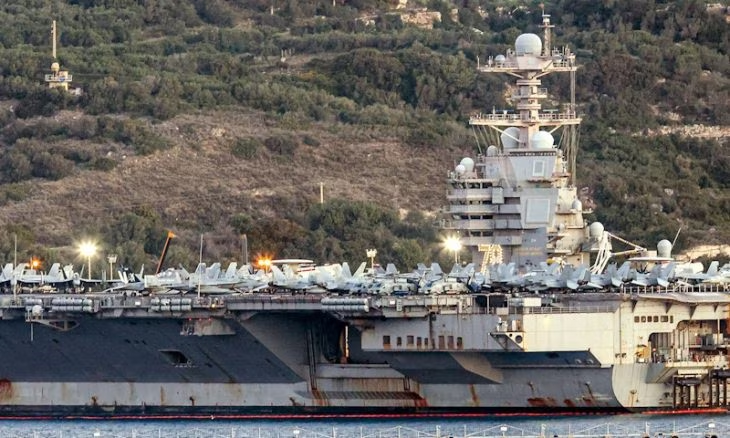
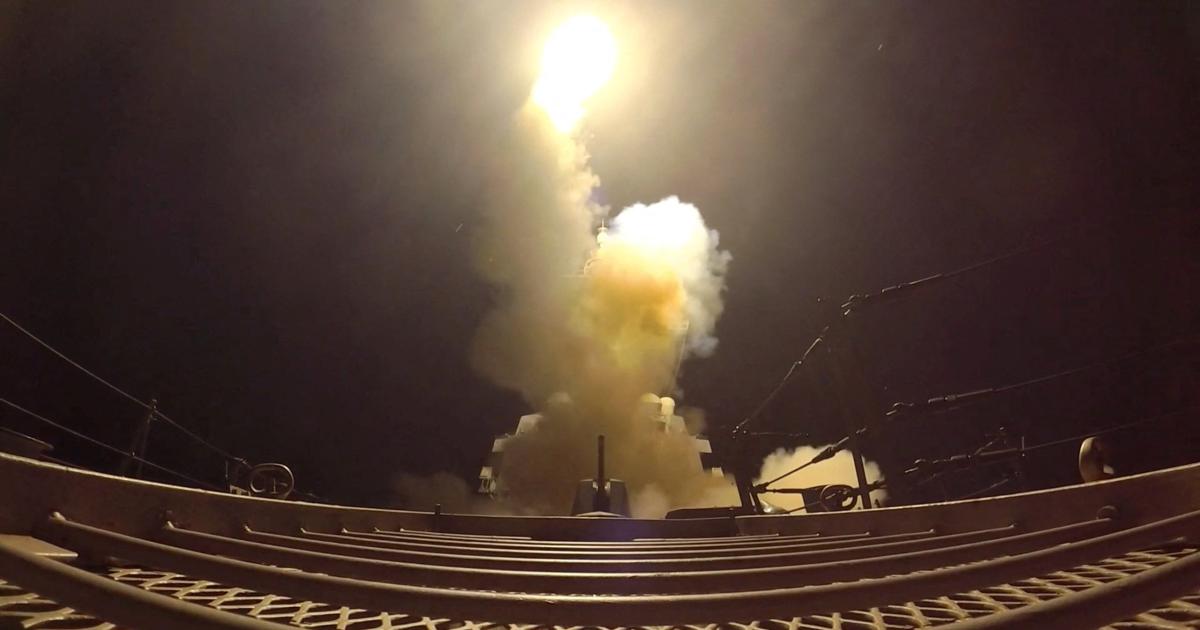
In the context of the field escalation, the aircraft carrier 'USS Gerald R. Ford' arrived in the eastern Mediterranean, joining a military buildup that is the largest since the invasion of Iraq. Despite this striking power, officials in Washington wonder why Tehran is holding out and not heading to the negotiating table to provide guarantees regarding its nuclear weapons.
Steve Witkoff, Trump's special envoy, claimed that Iran may be very close to possessing enough material to make a nuclear bomb, an assessment that sparks wide debate among international experts. The administration is using this claim to push for a quick agreement, warning that the alternative would be a 'very harsh measure' that goes beyond what was taken in the first term.
Despite the threatening tone, Trump faces internal opposition and warnings that any military strike would lead to retaliatory action targeting American assets and allies. Regional experts confirm that Iran has the ability to strike energy infrastructure in the region, which could ignite a global economic crisis that does not serve Washington's interests.
In an attempt to deny internal disagreements, Trump responded to reports that the Chairman of the Joint Chiefs of Staff opposed launching a military attack. Trump affirmed via his 'Truth Social' platform that he is the ultimate decision-maker, emphasizing his preference for a diplomatic solution, but warned of a 'bad day' awaiting Iran if the agreement fails.
For his part, Defense Secretary Pete Hegseth affirmed that the armed forces are ready to provide all military options to the President if Tehran decides to refuse. However, these options remain fraught with risks, especially with intelligence estimates indicating that the ability to launch an intensive air attack may be time-limited and insufficient to resolve the conflict.
Israeli intelligence reports indicate that the current buildups, despite their enormity, may only be sufficient for an air operation lasting a few days. This assessment puts additional pressure on American military planners who fear being drawn into a long-term war of attrition that drains resources and human capabilities.
On the domestic political front, Trump faces a division within his electoral base regarding the option of war, with a large portion of Republicans preferring to avoid costly military interventions. Opinion polls showed that a large percentage of voters fear a repeat of previous war scenarios that did not achieve sustainable stability in the region.
Observers believe that Trump's current boldness stems from his conviction that Tehran responded weakly to previous actions such as the assassination of Qassem Soleimani or the withdrawal from the nuclear deal. But this bet may be misleading, as current circumstances and changing regional alliances may push Iran towards unconventional and unexpected reactions.
Ultimately, the US President finds himself in a race against time to extract the 'deal of the century' with Iran before being forced to make difficult military decisions. The question remains whether the 'brinkmanship' strategy will succeed in achieving Washington's goals, or whether it will lead the region to a major confrontation whose end cannot be predicted.
Trump has put himself in a no-win situation; either extract a major Iranian concession to avoid a war he does not want, or be dragged into it by force.
Share your opinion
The Military Buildup Predicament: How Trump Entangled Himself in a Confrontation with Iran?