






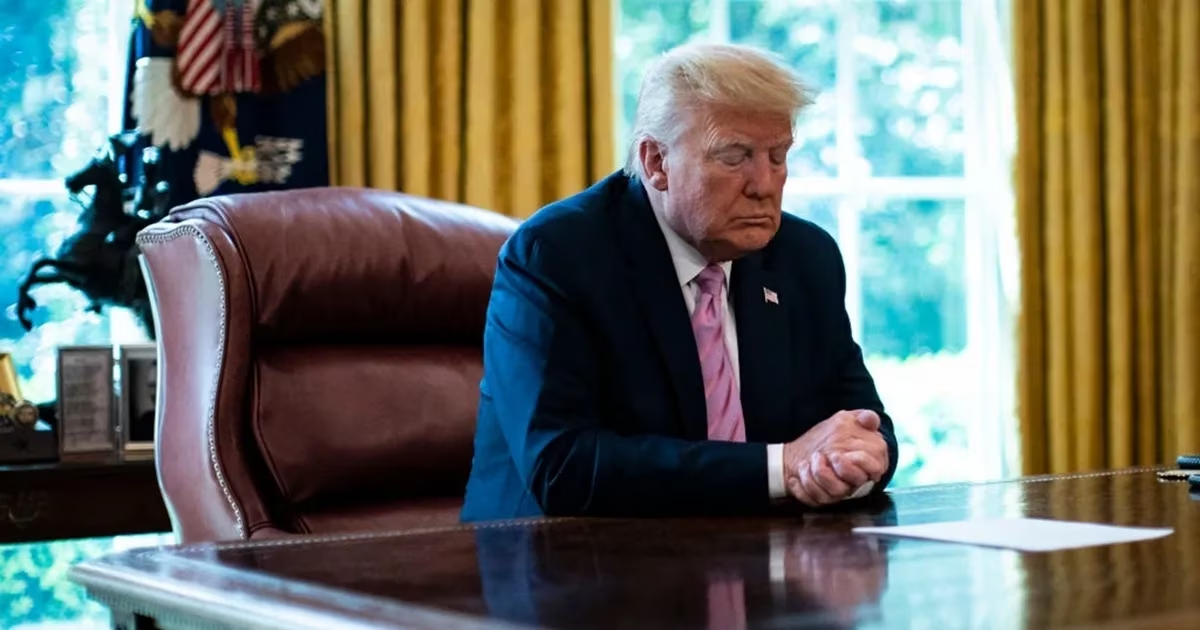
International media sources reported that US President Donald Trump's new tendencies towards military escalation in the Middle East could backfire badly, despite his previous promises to end armed conflicts. Observers believe that Trump, who has long condemned foreign interventions, has begun to show an increasing appetite for wars he once described as futile, putting his credibility and foreign policy at stake.
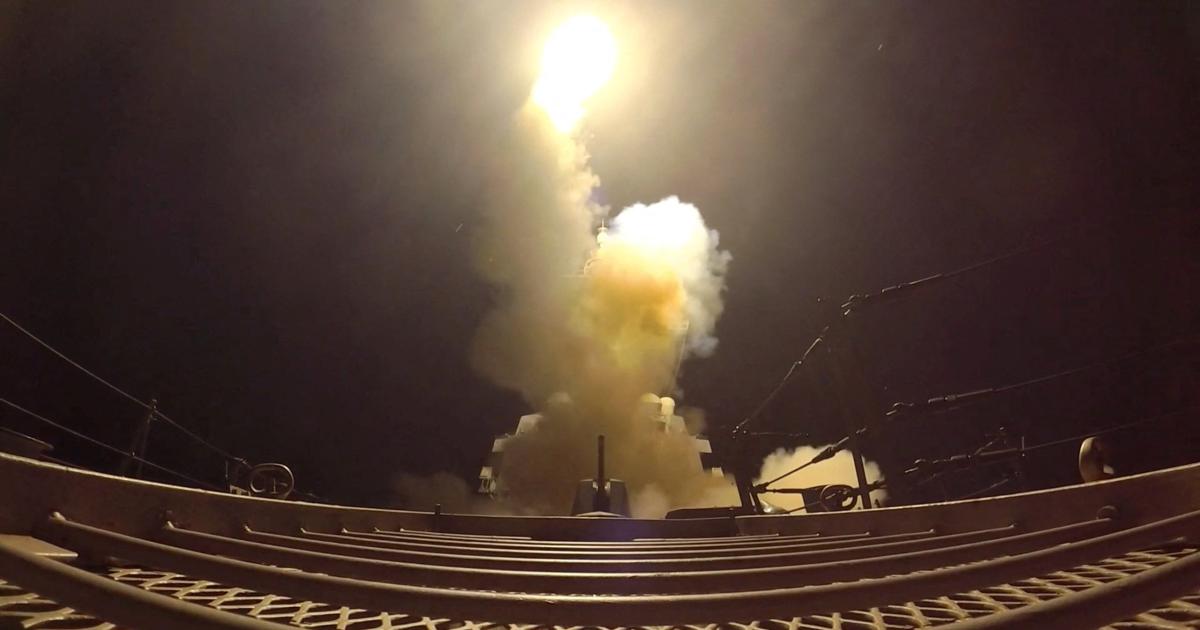
Trump had previously stated that the true measure of success lies not only in battles Washington wins, but in wars it successfully ends or avoids fighting altogether. However, recent field movements indicate a massive deployment of US military force in the region, with continuous hints of taking decisive action regarding a military confrontation with Iran.
Analyzes suggest that last year's experiences, including limited operations against Iranian nuclear facilities and movements in Venezuela, convinced Trump of the effectiveness of rapid military force. This sense of victory has created a state of overconfidence that could push the US administration towards unpredictable adventures in a highly complex regional environment.
Experts warn that the pursuit of quick victories could end in a long-term strategic defeat, especially since the proposed operations against Tehran carry risks far exceeding previous campaigns. This danger stems from the fluctuation of US objectives, which range from destroying the nuclear program to the implicit pursuit of regime change.
The objectives put forward by Washington, such as ending Iran's support for resistance movements like Hezbollah and Hamas and destroying its missile arsenal, cannot be achieved through limited airstrikes. These goals require deep political concessions or a comprehensive internal uprising, which makes military action alone an inadequate tool for achieving sustainable results.
The ambiguity of military objectives increases the likelihood of the United States sliding into a long-term conflict, giving Tehran a greater opportunity to organize effective responses. Recent experiences have shown that the depletion of US defensive capabilities, such as THAAD interceptor missiles, occurs very quickly during intense missile confrontations.
This policy places tens of thousands of American soldiers stationed in military bases in the region directly in the line of Iranian fire, whether through drones or ballistic missiles. Moreover, the vital infrastructure of Washington's allies, particularly desalination plants and oil facilities, remains easy targets in any comprehensive confrontation.
Despite Iran's previous attempts to avoid uncontrolled escalation, the regime's feeling of an existential threat could change the rules of engagement and increase its willingness to take risks. Any widespread attack could backfire, contributing to rallying the Iranian street behind its leadership instead of weakening it under the weight of external pressures.
The lessons of overthrowing regimes in Iraq, Libya, and Syria remain a warning of the catastrophic consequences of foreign military interventions that leave widespread chaos. These conflicts not only led to massive human losses but also created fertile environments for the growth of terrorist groups that threatened global security for many years.
In a related context, the goals of regime change in Iran intersect with the desires of Benjamin Netanyahu's government, which sees the collapse of Tehran as a supreme strategic interest for the occupying state. However, the chaos resulting from such a collapse could pose a real and direct threat to the Arab Gulf states, which are on the front lines of the confrontation.
It seems that Trump relies in his calculations on the geographical distance of the United States, believing that the Atlantic Ocean will protect American territory from the repercussions of Middle East wars. But history proves that US presidents, including Barack Obama, found themselves forced to intervene on the ground again due to unexpected events resulting from the security vacuum.
The striking paradox is that Trump, who campaigned as a peace candidate and opponent of the wars in Iraq and Afghanistan, is now closer than ever to engaging in a new conflict. This shift raises international concern that his desire for a 'military victory' could lead to an uncontrollable regional catastrophe.
Informed sources indicate that internal and external pressures play a significant role in directing the White House's compass towards escalation, despite warnings of military resource depletion. Relying on hard power as a first option reduces the scope for diplomacy and increases the chances of miscalculation from both sides.
In conclusion, the question remains whether Trump will back down at the last minute, as he has done in previous situations, or whether his propensity for risk will lead the region into a dark tunnel. Any tactical military success he might achieve now could be the detonator that ignites major strategic crises that successive US administrations will suffer from.
Success can breed overconfidence, and if Trump continues to deploy US forces in search of quick victories, he may end up with a long-term defeat.
Share your opinion
Warnings of Dire Consequences for Trump's New Military Appetite in the Middle East