







February 14, 2026
News Analysis
The United Nations human rights office in Geneva has pushed back forcefully against what it describes as rising political pressure on Francesca Albanese, the UN Special Rapporteur on human rights in the Palestinian territories, as several European governments intensify calls for her resignation. Rights advocates and UN officials increasingly view the campaign not merely as criticism of Albanese’s rhetoric, but as a broader test of whether independent human rights scrutiny can withstand diplomatic backlash when it clashes with the interests of powerful states.
At a UN press briefing, Marta Hurtado, spokesperson for the Office of the High Commissioner for Human Rights, said the office was “very concerned” about the rise in personal attacks, threats and misinformation targeting UN officials, independent experts and judicial actors. Hurtado warned that such tactics divert attention from “grave human rights issues” and undermine the core purpose of mandates created to document violations and pursue accountability.
Special rapporteurs are appointed by the UN Human Rights Council to monitor and report on specific situations, with formal independence from the UN’s administrative structures. That independence is widely regarded as essential to the credibility of UN human rights work. Diplomatic sources note that while member states could, in theory, propose the removal of a special rapporteur, there is no precedent for such a step during an ongoing mandate, and the political hurdles to securing the necessary votes would be significant. This suggests the campaign is aimed less at formal removal than at delegitimizing the mandate itself and warning future investigators.
The current controversy was reignited after Albanese spoke via video link to a forum in Doha, where she referred to a “common enemy” that, in her view, enables Israel to commit “genocide” in Gaza—a characterization forcefully rejected by Israel and its supporters. Albanese later published an unedited version of her remarks on social media, clarifying that she meant the “common enemy of humanity” to be systemic factors, including financial, technological and military networks, that she argues make large-scale violence possible while insulating it from consequences.
European officials responded sharply. Czech Foreign Minister Peter Masincka cited her remarks as evidence of bias and urged her resignation. Germany’s Foreign Minister Johann Wadephul declared her position “indefensible,” while France’s Jean-Noël Barrot called her statements “shameful” and “unacceptable.” Austria and Italy echoed these criticisms, asserting that her rhetoric undermines confidence in her ability to fulfil her UN mandate. The collective nature of the response, critics say, reflects not a dispute over professional standards but a coordinated effort to police the boundaries of permissible speech when Israel is the subject.
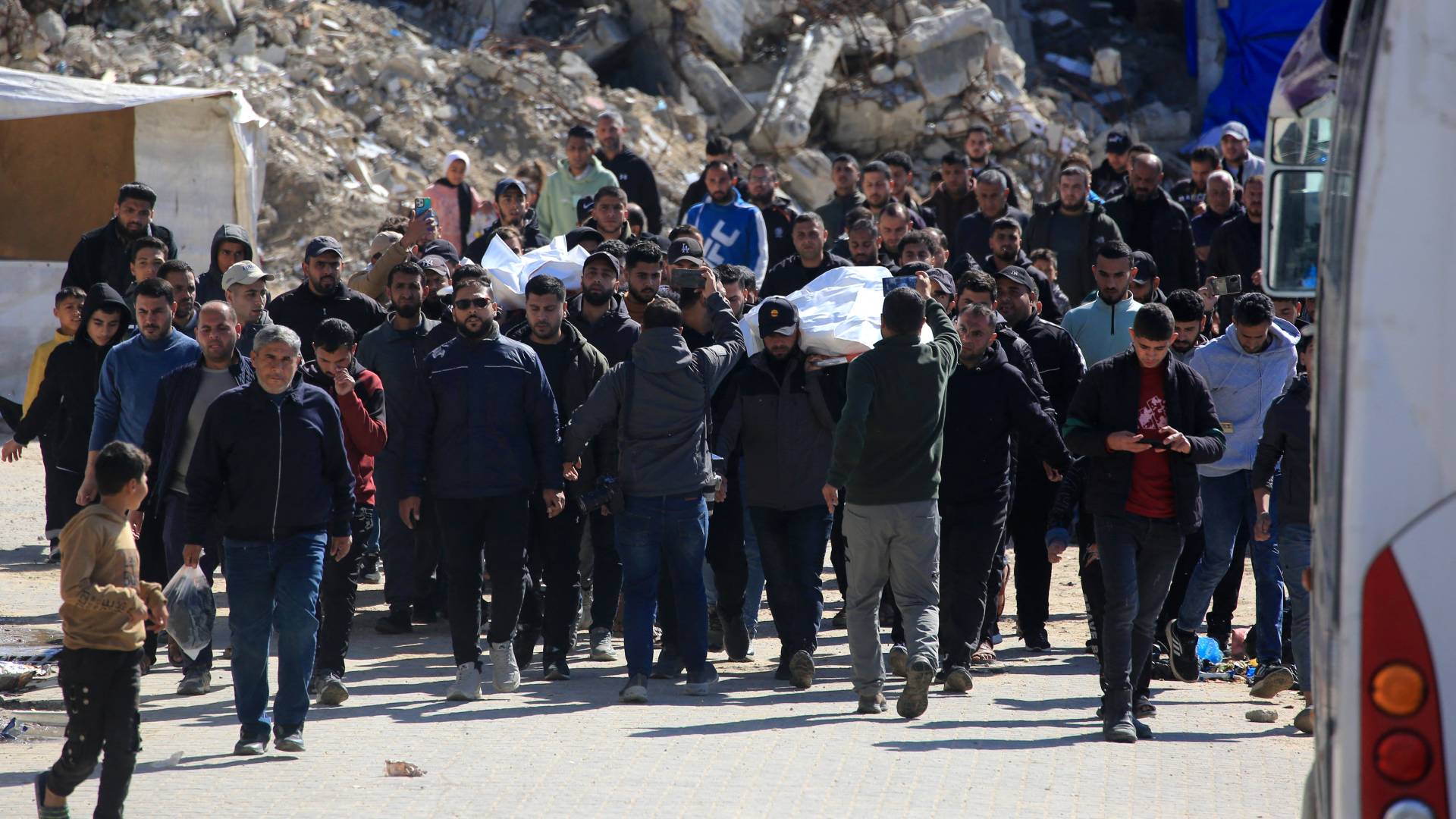
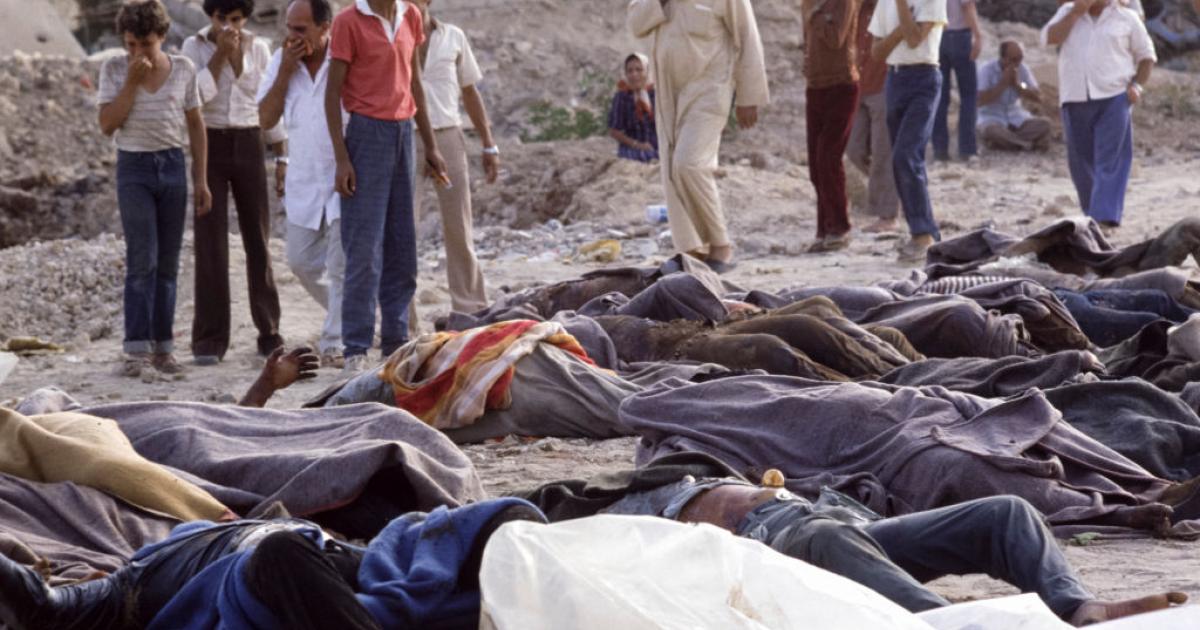
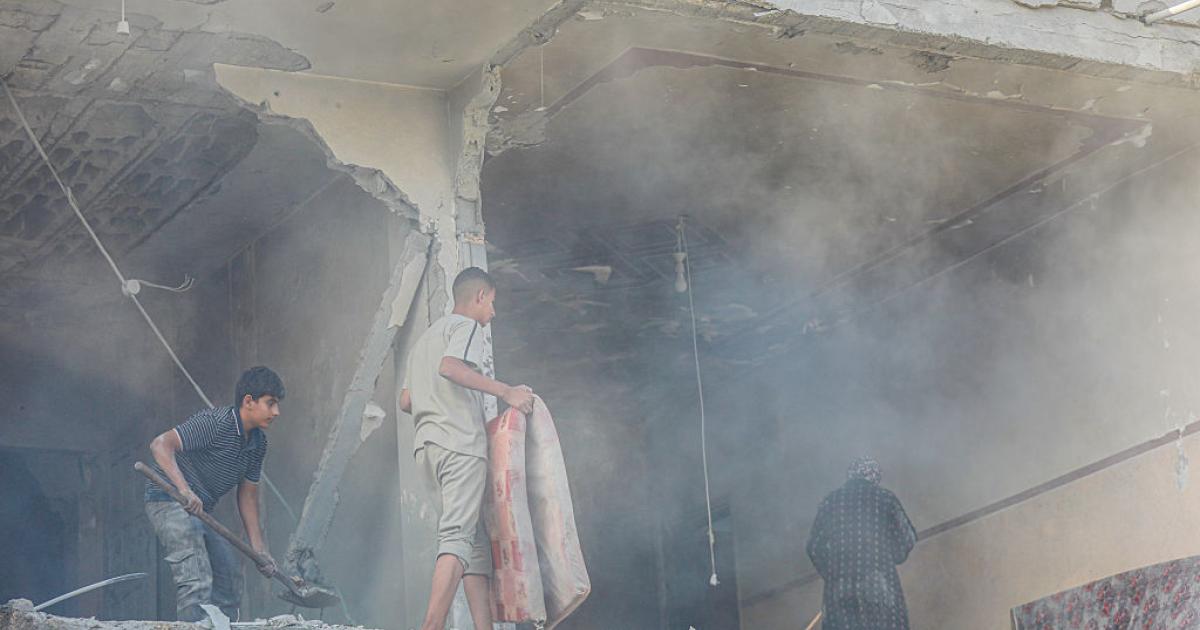
Part of the tension also surrounds the evolving discourse over the Gaza death toll. Israeli military sources have, in recent reporting, acknowledged figures similar to those long cited by Gaza’s health ministry—around 72,000 deaths since October 2023—after years of dismissing those tallies as unreliable. This shift marks a notable departure from earlier positions in which Israeli officials questioned the validity of Palestinian casualty figures and emphasized uncertainty about civilian versus combatant identities. While classification remains contested and difficult to verify, the broad convergence on the scale of fatalities has strengthened demands for independent scrutiny.
Albanese’s detractors have sought to frame her language as beyond the pale, pointing to a series of accusations over the years that include allegations of antisemitism, sympathy for extremist causes and controversial comments in the aftermath of the 7 October 2023 attacks. She has challenged those accusations, asserting that many statements attributed to her were distorted or taken out of context. She and her supporters also highlight what they describe as a glaring contrast: the intensity of efforts to discredit her versus the relative restraint displayed by the same governments in directly confronting Israel’s conduct in Gaza.
In a post on X responding to European criticism, Albanese said her critics were making claims about her words “that I never uttered,” adding that their denunciations displayed “ferocity and conviction” not applied to governments whose policies have contributed to extensive civilian suffering. She cited Gaza’s health ministry figures, which report more than 72,000 deaths since the war began—a figure now reflected in multiple independent tallies and widely accepted in international reporting, even as distinctions between combatants and civilians remain disputed.
Israel continues to reject characterizations of its conduct as genocidal, asserting that it takes steps to minimize civilian harm while accusing Hamas of embedding military operations within densely populated areas and using civilians as shields. Israeli military statements also emphasize the complexity of distinguishing between combatants and non-combatants in such an environment. However, human rights experts argue that legal accountability does not depend on perfect casualty classification, but on patterns of conduct, proportionality, intent and the protection of civilians under international law.
The political battle in Geneva has broadened beyond questions of terminology. Many experts see the push to force Albanese’s resignation as a campaign that risks chilling not only her work but the work of future independent investigators who may fear being targeted politically if their findings become inconvenient to influential states. In that sense, the issue is not Albanese alone, but whether the UN’s human rights system can preserve its autonomy when it scrutinizes an ally of the West.
For Europe, the episode underscores the delicate balance between diplomatic alignment and adherence to the principles that underpin the post-World War II human rights architecture. Governments that champion the rule of law in other contexts risk perceptions of inconsistency when they seek to discipline a UN expert for engaging in frank legal analysis of a conflict involving a strategic partner. As the UN warns of the dangers of personal attacks supplanting substantive debate, the broader question remains whether international human rights mechanisms can sustain their independence amid intense geopolitical pressure. The outcome of the dispute over Albanese’s role is likely to resonate well beyond her tenure.
Share your opinion
Europe Targets UN Rapporteur Albanese to Undercut Gaza Accountability