






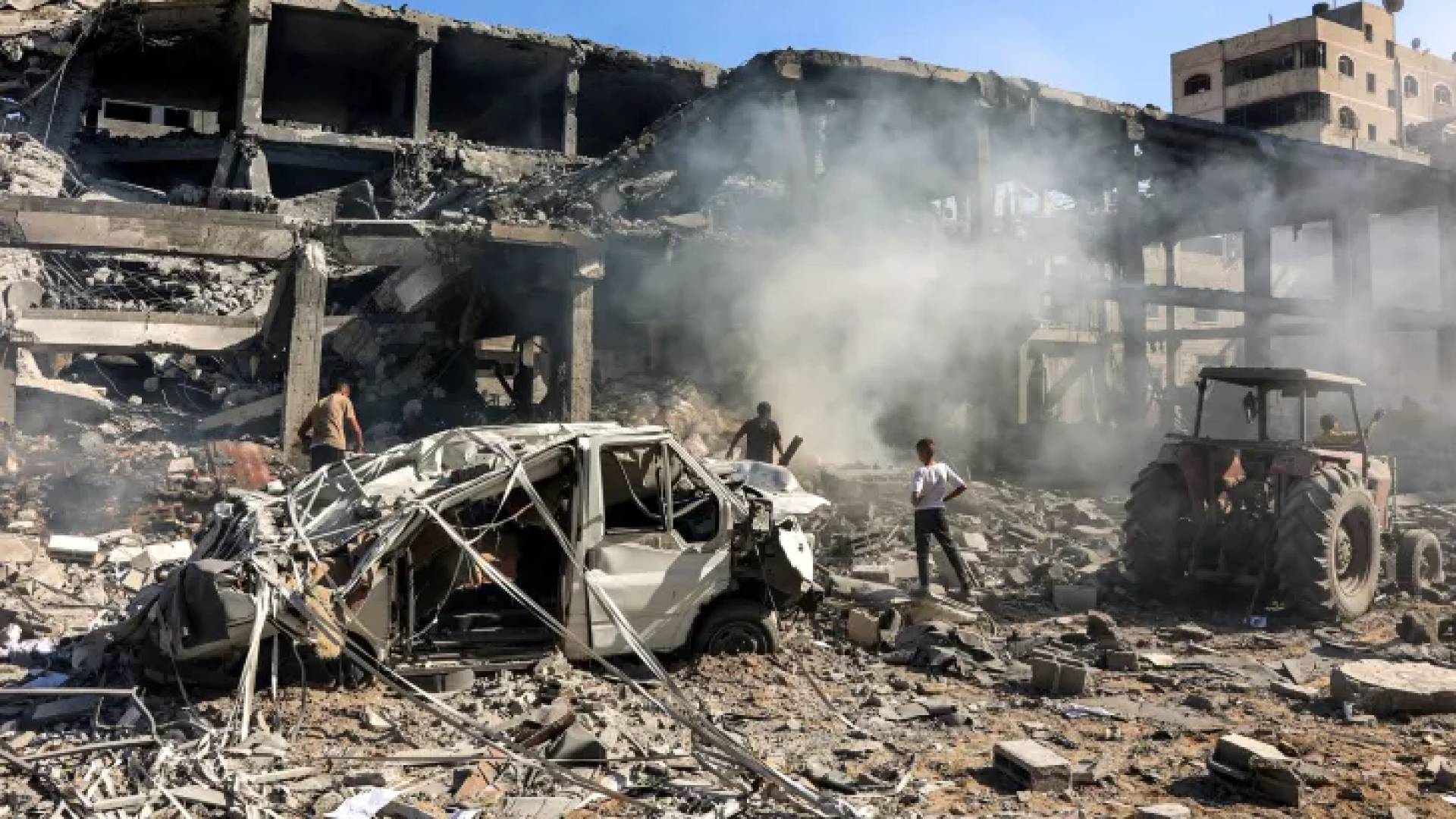
When a government violates democratic principles, massive peaceful demonstrations can send a powerful message. They are a means for the people to collectively express their commitment to democratic values and call for change without resorting to violence. The massive protests that followed the killing of Renee Good by Immigration and Customs Enforcement in Minneapolis were not spontaneous, but an explosion of anger and an accumulation of long-standing tensions with the government.
The demonstrations emerged from the struggle to reconcile law enforcement authority with greatly eroded public trust. The public's reaction reflects deep concerns about how immigration affairs are managed, how federal power is exercised, and the absence of accountability when deadly force is used by federal agents.
The protesters in American cities against Immigration and Customs Enforcement are doing what must be done, even if it involves serious risks. But there is no alternative to people taking to the streets and demonstrating peacefully. Popular protest is not symbolic or abstract; it is a concrete action of critical importance, as it makes it harder for the government to commit crimes without accountability.
The protests that followed Good's killing were driven by fear and insecurity as much as by grief, as demonstrations spread across the country. A consistent pattern emerged in cities with widely varying political and social spectra. Protesters expressed similar concerns, including the breakdown of law and order and the disgraceful conduct of the Trump administration.
The continuation of peaceful, persistent, and repeated demonstrations involving millions from coast to coast is an essential condition for protecting our democracy and ending the nightmare that has swept the country. Millions of Americans, regardless of their political affiliations, races, origins, or religions, who care about the future of the country, must take to the streets with one message:
We will not back down, we will not surrender, we will not be intimidated, we will remain steadfast and firm, and we will resort to any other peaceful means, including civil disobedience and strikes, until Trump ceases his violations of our democratic principles and fully adheres to his constitutional oath to defend and protect the Constitution.
However, expressing opposition is not limited to peaceful protests; open dialogue is another means of expressing opposition, and it can include various groups. Community leaders, educators, civil society organizations, and even ordinary citizens can contribute to public dialogues and community forums. It is about creating a space where people exchange their views and listen to each other. Saving our democracy is a shared duty and responsibility at the societal level.
Without effective accountability mechanisms, public trust erodes, and protest becomes the only remaining tool for citizens. From a political perspective, the scale of these protests indicates an institutional imbalance: law enforcement systems rely not only on legal authority but also on the consent of the people.
The people who will bear the brunt of dictatorial rule must be the first line of defense, ready to confront any threat, intimidation, or use of force, and remain steadfast and firm in their commitment to protecting our precious democratic way of life.
It must be emphasized repeatedly that continuous and widespread popular protests across the country from coast to coast are the only way to stop the lawless Trump administration from destroying our democracy before it is too late.
———
The massive protests that followed the killing of Renee Good by Immigration and Customs Enforcement in Minneapolis were not spontaneous, but an explosion of anger and an accumulation of long-standing tensions with the government.
Share your opinion
Only a popular uprising can stop Trump