





My friend, who usually dislikes phone calls or social media conversations, called me, uncharacteristically angry about the kidnapping of Venezuelan President "Nicolas Maduro" by American military forces in a swift operation "that didn't last an hour." I told him, "Hold on, my friend; the United States has immense military and intelligence power, capable of reaching anyone, whenever and wherever it wants. Its forces are stationed in the ocean waters near the country, and its intelligence eyes and hands have been in the heart of the capital, "Caracas," for years." My friend's voice rose in anger, as if my answer had provoked him, saying, "This operation doesn't rely on the United States' power and weapons; it's betrayal, my friend." I said in a calm voice, or rather, I was careful to be calm, "It's illogical for it to be betrayal; the regime is behind him, the masses were surrounding him days ago, he has been at the head of power for many years, and he formed the government, bringing close those he trusted and distancing those he didn't trust among professionals. He has security forces in every neighborhood, if not every house, throughout Venezuela." My friend said, "Betrayal only comes from 'trusted people'; they are unprofessional, and their interests are above the country's interests, and their personal survival is more important than the survival of the leader or the country and its people. So, my friend, we haven't seen any serious movement from the Venezuelan government as a serious reaction to the kidnapping, and the armed forces haven't moved to defend the president, even though they are already on high alert due to continuous threats over recent months. It's illogical for helicopters to enter the capital without a reaction that hinders their operation, as if a planned matter had been orchestrated by all corners of his government." I told him, "Things are still unclear and shrouded in mystery, and judgments cannot be made. In my opinion, days will reveal the hidden truths, whether it's a conspiracy, or an understanding between the Venezuelan president and the American administration to get out of the escalating crisis to avoid a war that would devastate what remains of the country's resources, or sacrificing him for the sake of the regime's survival and the country's safety, or weak military capabilities, are behind this matter." My friend continued, saying - meanwhile, my friend's breath calmed, and his voice became less sharp, and he regained a tone of wisdom to build a rational conclusion, it seemed - "Maduro's lesson, regardless of the kidnapping operation and the colonial intentions of the American administration and its dominance over the western hemisphere and the theft of the resources of the peoples in Latin America, for leaders in Latin America and the Arab world indicates that the ruler needs popular support for his program and approach, and the public's trust in the people and titles of power, and citizens' satisfaction with the performance of government institutions, and that this triangle of 'support, trust, and satisfaction' is not possible to achieve under the dominance of power by specific and limited individuals for many years, and the spread of corruption in the ruling political class, and the spread of poverty and unemployment, and the lack of opportunities for youth to engage in public work, and the prevention of participation in policymaking and the weakening of public ownership, and the failure of programs to meet people's needs; even if the president comes from the bottom of society, years of rule, its pomp, and its privileges make him forget the needs of his peers and those who came after him, the necessities of life." I stopped my friend, saying, "The Palestinian people have lost a leader who supported their cause." He interrupted me, anger evident in his voice; "The Palestinian people need leaders who believe in human rights in their countries, and who secure a dignified life for their peoples, and who invest their countries' wealth to fortify their societies, and to strengthen their nations, and the prosperity of their countries to contribute to global civilization, and they do not need leaders who squander their peoples' money and wealth in external shouting without caring about the country's internal issues." He concluded his speech, "If the Venezuelan people had accepted him, they would have come out en masse to defend the president, but the situation is apparently the opposite, as we did not see any movement at the necessary moments and hour of need; as the popular saying goes, 'He who is covered by other than the people is naked,' and this is the case of one who did not make the people his ally, and the warmth of his group and their pockets at the expense of the people, and tightened the grip of security on the necks of the people, and did not realize that national dignity among peoples does not mean clinging to the leader and his group, but in preserving the homeland and the safety of the country.

OPINIONS
Sat 10 Jan 2026 10:45 am - Jerusalem Time
My friend... taught Maduro
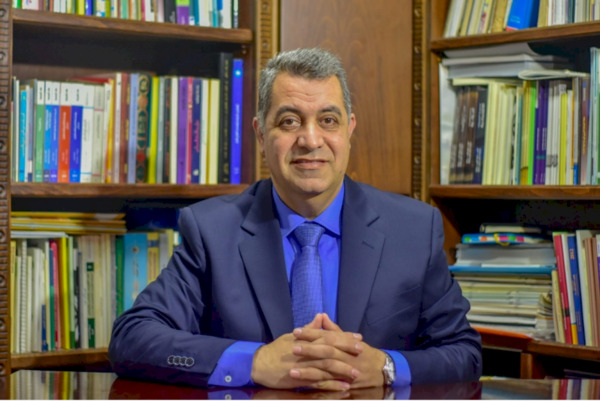
Jihad Harb
Opinion Writer
Share your opinion
My friend... taught Maduro