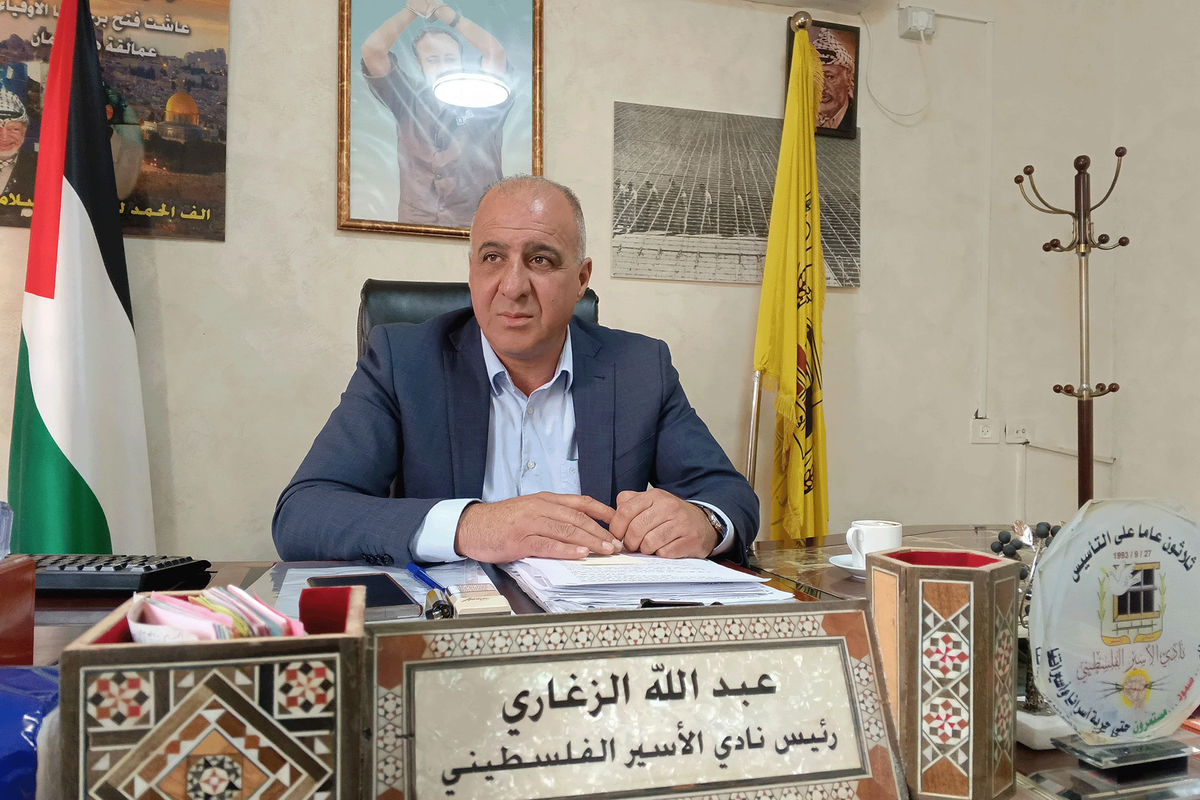







The President of the Palestinian Prisoners Club, Abdullah Al-Zaghari, anticipated an increase in the number of martyr prisoners inside Israeli occupation prisons, due to the hostile policies against them, including starvation and torture, and the widespread prevalence of diseases, especially skin diseases resulting from medical neglect and deprivation of treatment and personal hygiene.
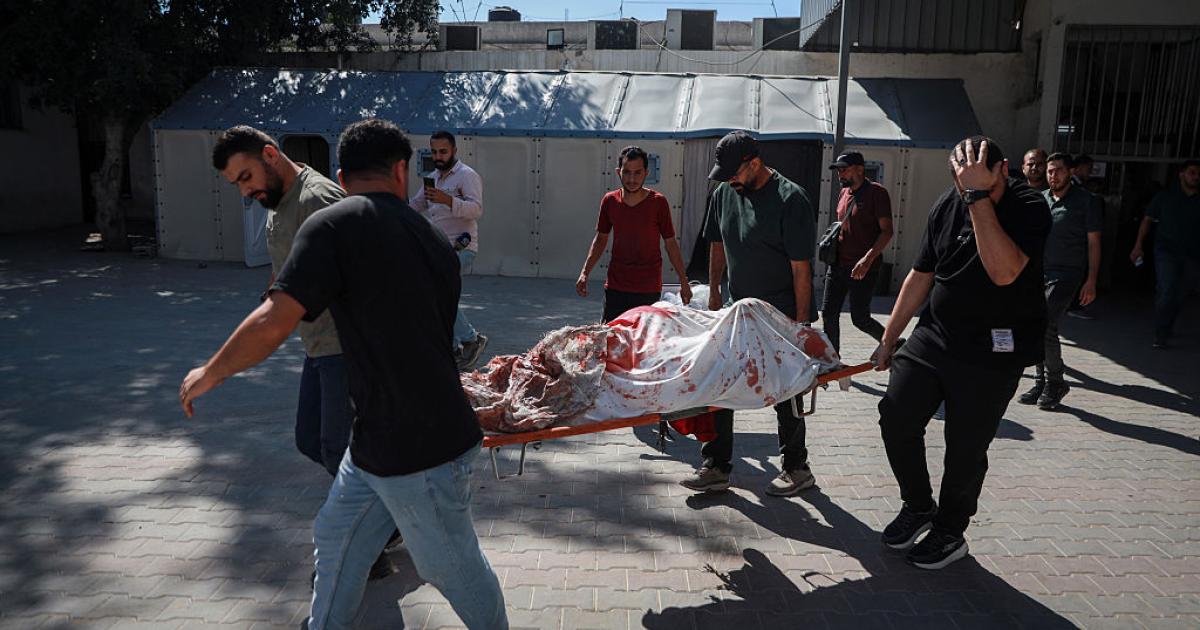
Al-Zaghari stated that the number of prisoners has risen to more than 10,800 since the outbreak of the Israeli war on the Gaza Strip, during which 77 prisoners were martyred due to the tragic conditions inside the prisons, which have worsened significantly over the past two years.
He pointed out that the prisoners from Gaza are suffering from harsher conditions, citing Dr. Hossam Abu Safiya, the director of the Martyr Kamal Adwan Hospital in northern Gaza, who has developed skin diseases and suffers from starvation and medical neglect, having lost two-thirds of his weight.
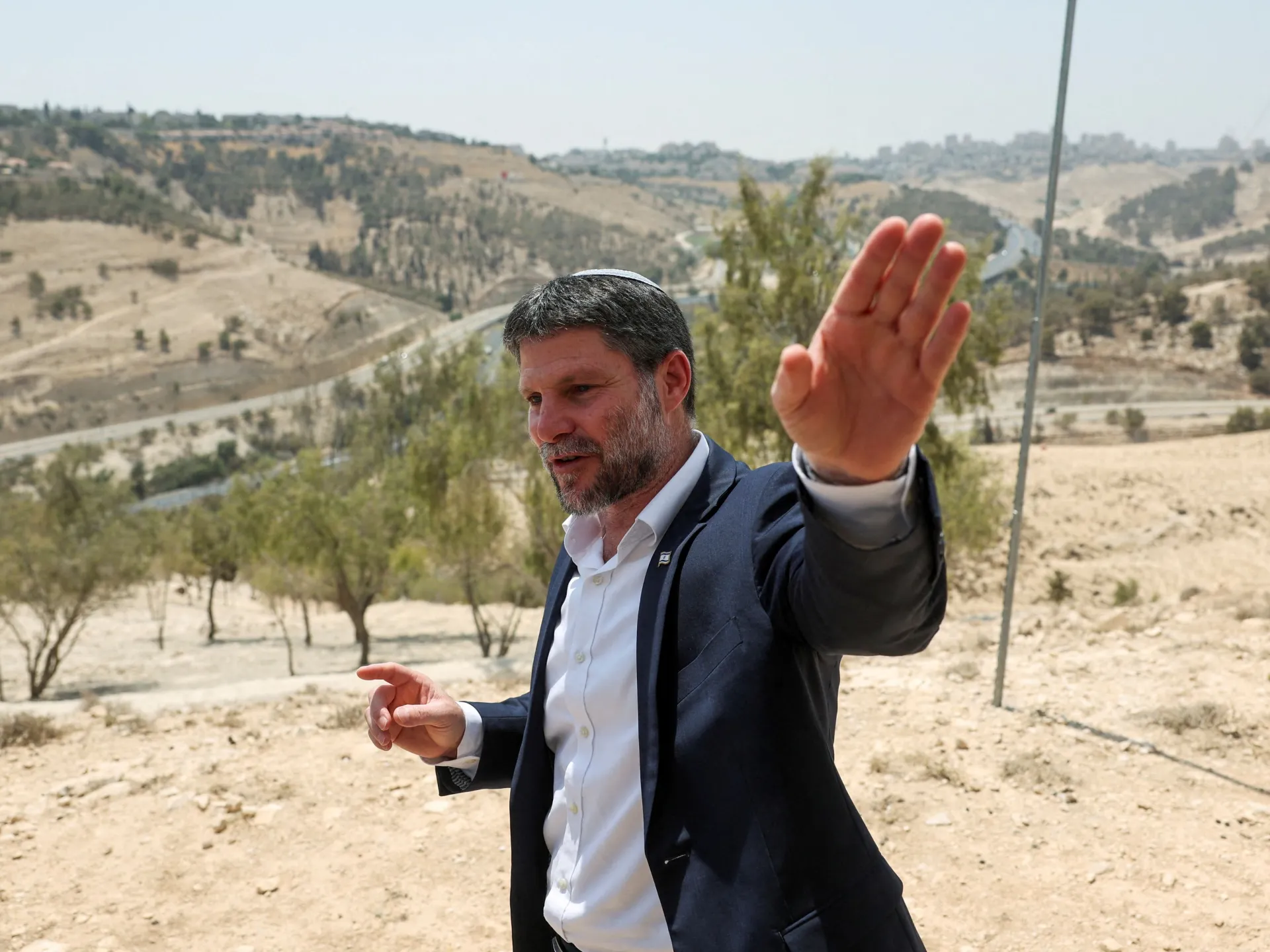
In the following dialogue, Al-Zaghari discusses in detail the reality of the prisoners in the occupation's prisons, and the retaliatory policy that has even targeted leaders of the prisoners' movement, the latest being the raid by the extremist minister Itamar Ben Gvir on the cell of the leader prisoner Marwan Barghouti, threatening him, which warns of his physical liquidation.
Considering the intensification of arrest campaigns since October 7, 2023, the number of Palestinian prisoners in the occupation reached about 10,800 by the beginning of last August, noting that this figure does not include detainees in the camps run by the occupation army, and this number is the highest since the Al-Aqsa Intifada in 2000.
The number of female prisoners is 49, including two from Gaza, while the number of child prisoners (under 18 years) exceeds 450, while the number of administrative detainees (without charges or trial) reached 3,613 by the beginning of last July.
The number of detainees classified as unlawful combatants is 2,378, and this number does not include all detainees from Gaza held in camps run by the occupation army, noting that this classification also includes Arab detainees from Lebanon and Syria.
The conditions are tragic and have reached their peak during the genocide war on Gaza after "October 7" 2023, affecting all aspects of life in the prisons.
Although these tragic conditions affected all prisoners, the detainees from Gaza, who were arrested since "October 7" and during the ground invasion of the sector, faced worse and harsher conditions than other Palestinian prisoners, especially in the detention camps run by the occupation army.
Despite the worsening of these conditions following the war, they began with Ben Gvir taking responsibility for the Prison Administration as part of his governmental position as Minister of National Security in early 2023, where he raised the banner of hostility towards prisoners.
The policies imposed on prisoners in the prisons after the war on Gaza represented a complete coup on all aspects of detention life, and what prisoners had gained from rights through their long struggles for which they paid in blood.
Specifically, what are the most prominent features of the Israeli retaliatory policy against prisoners after the war? After the war on Gaza, Israel adopted a harsh retaliatory policy, and violations escalated unprecedentedly, as the measures taken against prisoners were considered part of a policy of collective punishment.
The most prominent aspects include: collective isolation and deprivation of basic rights: isolating hundreds of prisoners in solitary confinement, including leaders of the prisoners' movement, closing sections and preventing movement between prisons, and depriving prisoners of family visits and lawyers for long periods.
Withdrawal of achievements and acquired rights: cancellation of many basic rights that prisoners had won through long struggles, such as reducing or preventing the break (rest in the yard), reducing the quantity and quality of food, preventing the entry of clothes and blankets, and preventing the entry of books and newspapers.
Violence, torture, and mistreatment: daily assaults on prisoners by special repression units, use of police dogs and humiliating strip searches, physical and psychological torture inside interrogation rooms and during the transfer of prisoners, and deprivation of treatment and healthcare, including for those with chronic illnesses.
Escalation of administrative detention campaigns: an increase in the number of administratively detained individuals, expanding the use of this type of detention arbitrarily, and repeated extensions without any clear legal justification.
Mass arrest campaigns in the West Bank launched by Israel after "October 7," targeting 9,000 prisoners, including political activists, students, and released prisoners.
Punitive laws and legislation: pushing for more extreme legislation, such as a bill to execute prisoners convicted of killing Israelis, enacting

Share your opinion
President of the Palestinian Prisoners' Club: Dangers threaten the prisoners and there is a threat to eliminate their leaders.