






By Mowaffaq Harb
In a region often reduced to the vocabulary of security and oil, US President Donald Trump's recent tour marked a remarkable shift in his rhetoric and behavior. Far from the confrontational tone that characterized his previous positions toward Arabs and Islam, Trump appeared calmer, more attentive, more humble, and closer to a deeper understanding of a region steeped in its ancient civilization, rich in its diversity, and complex in its political and cultural makeup.
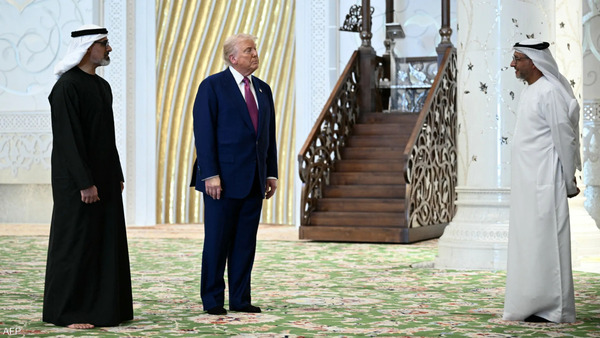
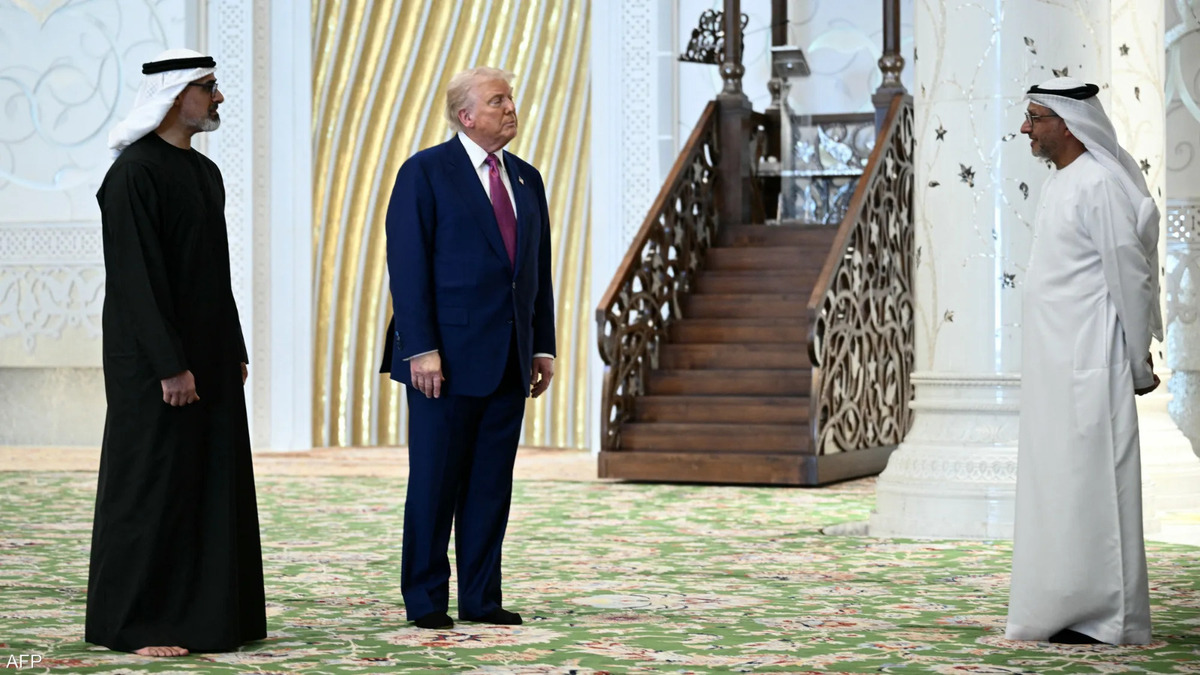
The visit, which included high-level meetings with heads of state and public outings in the Gulf states, seemed to broaden the US president's horizons and push him to reconsider the preconceived notions that have long governed his view of the region. The most prominent symbolic moment came during his visit to the Sheikh Zayed Grand Mosque in Abu Dhabi, where he appeared barefoot under ornate domes and Quranic verses embroidered in gold. This scene was not that of a man challenging tradition, but of a president who seemed like a guest who felt the depth of the moment and the dignity of the place. But what was even more striking was Trump's growing public attraction to the Gulf states themselves, countries that combine modernity and advanced infrastructure with a deeply rooted cultural identity. In the skyscrapers of Riyadh, Abu Dhabi, and Doha, and in the climate of security, sufficiency, and openness to investment, Trump saw a reflection of his vision of "America's greatness" that he wanted to restore: sovereignty, prosperity, and stability under strong leadership that was unapologetic about its interests.
Trump saw in the Gulf leaders partners who understood the language of transactions and aspired to shape history in their own way. His admiration was evident not only in the language of the speeches, but also in the warmth of personal positions, mutual respect, and openness to the Gulf model of governance and development. He seemed to be finding in the Gulf what he lacked in America: tangible achievements, a confident identity, and unwavering leadership. The visit, which included high-level meetings with world leaders and public visits to Gulf states, appeared to broaden the US president's horizons.
Moving Away from Simplistic Approaches
If this trip has opened the door to a personal change, it is not unlikely that its consequences will be reflected in how Trump deals with regional issues during the remainder of his term. His growing understanding of cultural and religious dynamics may push him to move away from the simplistic approaches that have characterized many of his previous policies. We may see a more cautious approach to sensitive issues such as the Palestinian issue, or a different approach to relations with Iran, one that takes into account Gulf concerns rather than being limited to the logic of sanctions and confrontation.
On the other hand, his growing relationship with Gulf governments may translate into greater economic cooperation, new trade and military deals, and perhaps a more integrated role in efforts to bring stability to the region. His fascination with Gulf governance models may be reflected in his domestic discourse, as he may use them as an example of how countries can achieve rapid growth without compromising their security or identity.
Trump, who has always presented himself as a dealmaker before being a politician, may have found in the Gulf a parallel to his personal and political ambitions, as a region rich in opportunities, and even a model for a leadership vision that combines decisiveness and flexibility, authenticity and modernity. If this conviction takes hold within the decision-making halls in Washington, we may witness a completely different American approach to the region in the coming years: one more respectful of tradition and more focused on long-term strategic partnerships.
Trump, who has always presented himself as a dealmaker before being a politician, may have found in the Gulf a parallel to his personal and political ambitions.
Strength in Humility
Some may consider these positions to be merely formal, but in the world of diplomacy, symbolism often precedes policy. When Trump takes off his shoes in a mosque, sits among his interlocutors to listen, not dictate, and sees Gulf cities not only as strategic markets but also as replicable examples, he is hinting at a real shift: power lies not only in dominance, but also in humility and openness. Trump's trip to the Middle East has not only opened doors to politics but perhaps also to his own inner horizons. At a time when the world is torn by doubt and division, this shift, however partial, is not a passing matter.
Share your opinion
Trump after the Gulf is not the same as before