







The regional arena witnessed a dramatic development following the announcement that the United States and Iran had reached a memorandum of understanding to end military operations on various fronts. This announcement quickly reflected on the Lebanese field, where large numbers of citizens began returning to their villages and towns in the south, despite the continued Israeli warplane flights in the skies.
For his part, Lebanese President Joseph Aoun quickly welcomed this understanding, emphasizing his close follow-up to the provisions of the memorandum that stress the cessation of escalation and hostilities. Aoun expressed his appreciation to all international and regional parties that sought to include Lebanon in comprehensive de-escalation efforts to ensure the country's stability.
In a related context, Lebanese Parliament Speaker Nabih Berri praised the memorandum, commending the role played by Qatar, Saudi Arabia, Egypt, and Pakistan in bringing viewpoints closer. Berri stressed the importance of the binding clause to stop Israeli aggression, considering that the commitment of major powers to this path represents a necessary step to protect Lebanese sovereignty.
On the other hand, the Israeli response was sharp and contradictory to the diplomatic atmosphere, as media sources reported that Prime Minister Benjamin Netanyahu clearly informed US President Donald Trump that Israel would not withdraw from Lebanese territories. Netanyahu affirmed that his government does not consider itself a party to this agreement or bound by the implementation of any of its field provisions.
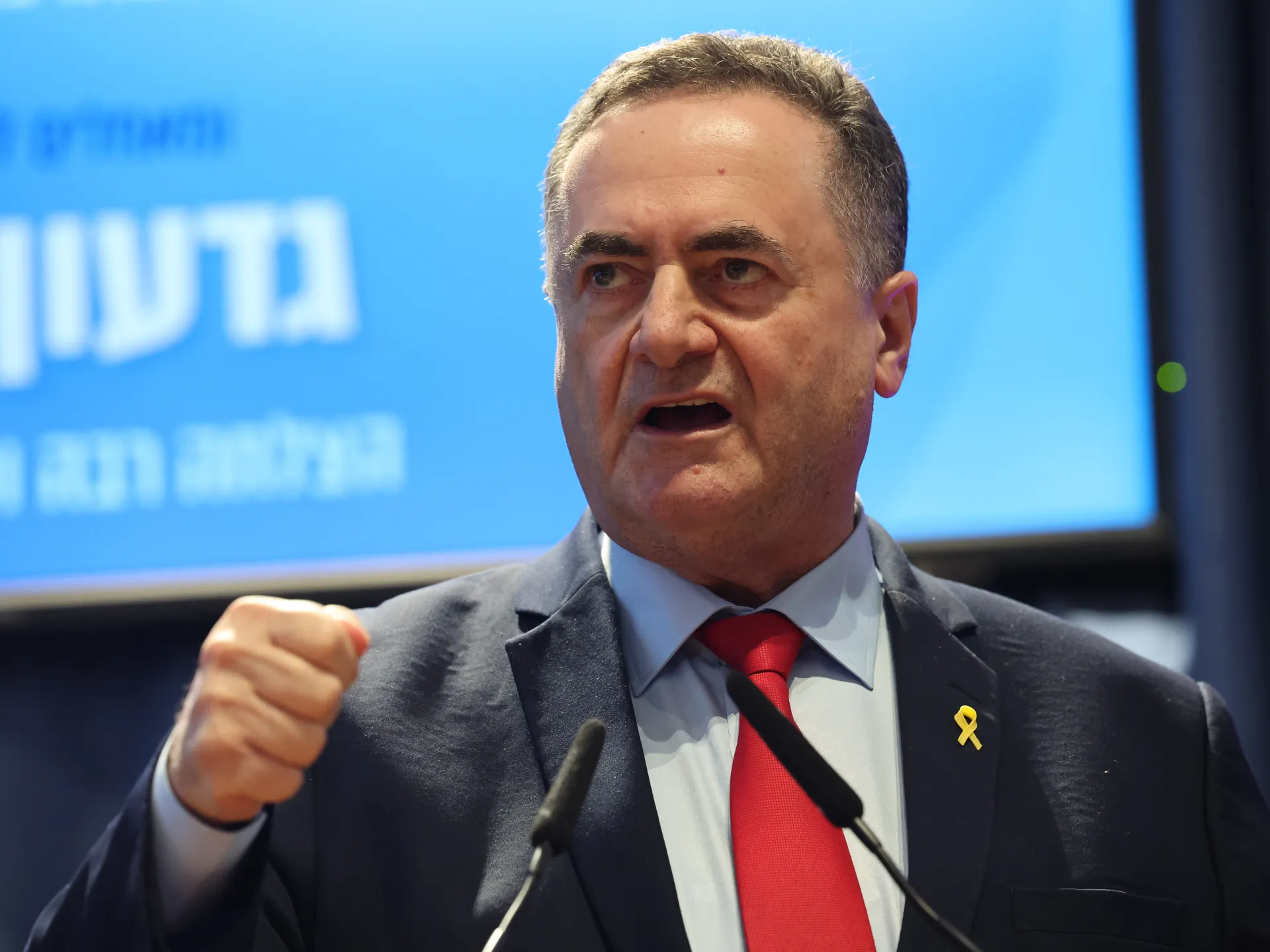
Israeli rejection did not stop at the prime minister's office but extended to far-right figures, with National Security Minister Itamar Ben-Gvir stating that the Trump agreement does not bind Israel in any way. These statements reflect a deep gap between the American vision for regional de-escalation and the military strategy adopted by Tel Aviv at the current stage.
Observers believe that the sixty-day memorandum of understanding aims to test intentions but does not guarantee sustainable peace in light of Israeli intransigence. Questions remain about Washington's ability to pressure its ally Israel to engage in the de-escalation path it outlined with Tehran.
In an analytical reading of the scene, conflict management experts considered the Israeli position to be the 'cornerstone' that could lead to the failure or success of the understanding. They explained that Netanyahu is seeking at this stage to prove the independence of his political decision to his domestic audience, denying his submission to the pressures exerted by the Trump administration.
Estimates indicate that the next phase will be governed by two main scenarios regarding military operations in southern Lebanon. The first scenario assumes the Israeli forces remaining in their positions with a reduced pace of hostilities to avoid a direct clash with the new American administration.
The second scenario predicts the continuation of military strikes at a high pace, based on an Israeli reading that Iran will not risk entering a comprehensive confrontation after signing the memorandum. Through this approach, Israel aims to keep the Lebanese file under its direct control, away from any international arrangements that do not serve its security objectives.
For its part, Tehran continues to adhere to the principle of 'unity of fronts,' linking any real de-escalation to a comprehensive ceasefire that includes all inflamed arenas. This position poses an additional challenge to American efforts that are trying to dismantle regional crises through separate paths or temporary understandings.
Anticipation remains the master of the situation regarding Hezbollah's reaction on the ground, especially in light of the continued Israeli military presence in contact areas. Recent Israeli statements suggest a desire to establish a new occupation reality that goes beyond the limits of transient military operations to include areas in Lebanon and Syria.
In conclusion, the US-Iranian understanding faces a difficult test on Lebanese soil, where international political calculations intertwine with Israeli field ambitions. The next few days will be decisive in determining whether the region is heading towards real de-escalation or towards a new and more ferocious round of conflict.
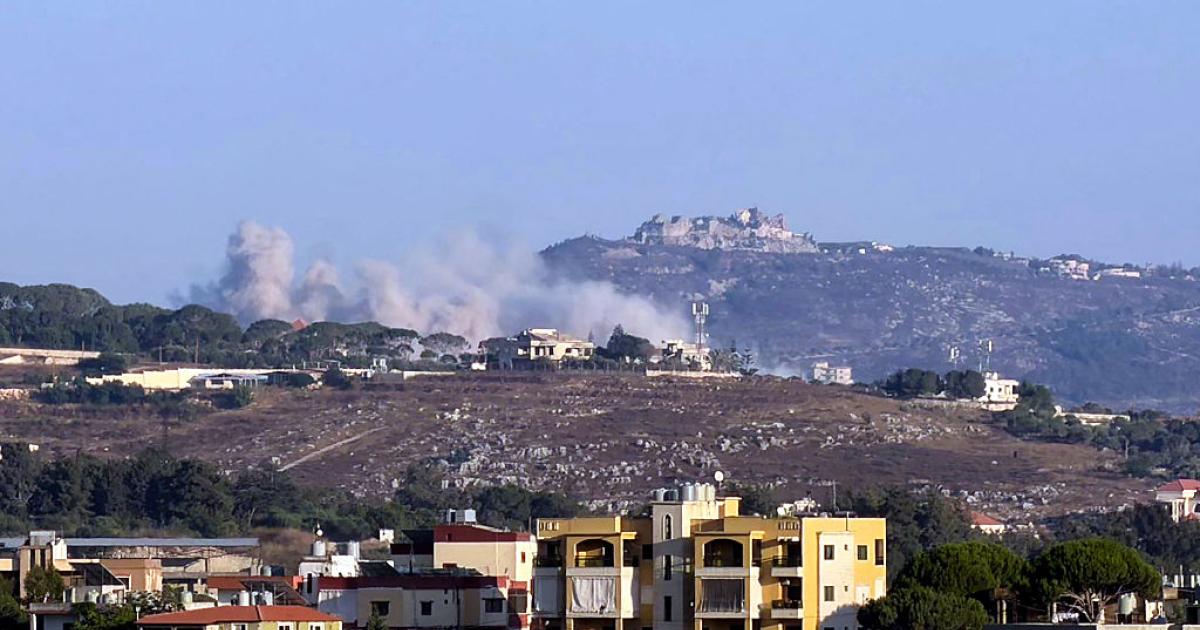
Netanyahu informed Trump that Israel will not withdraw from Lebanon and is not bound by the agreement concluded with Iran.

Share your opinion
US-Iranian Understanding to Calm Fronts, Netanyahu Declares Rebellion: We Will Not Withdraw from Lebanon